Vietnam e-Visa for Indians 2026 — Fees, 90-Day Validity, Process & Documents
Vietnam — with its limestone bays, lantern-lit towns and incredible food — is booming with Indian travellers, and entry has become simple thanks to a streamlined e-visa. This in-depth guide explains everything Indian passport holders need to know about the Vietnam visa in 2026: the e-visa and its long validity, fees, documents, the step-by-step application, processing time, entry requirements, and tips for a smooth, hassle-free trip.
| e-Visa type | Fee |
|---|---|
| Single entry | US$25 |
| Multiple entry | US$50 |
Do Indians need a visa for Vietnam?
Yes — Indian passport holders need a visa, but Vietnam’s e-Visa makes it easy: you apply entirely online and receive the visa by email, with no embassy visit needed for tourism. Vietnam has expanded the e-visa to allow longer stays and multiple entries, which is a big improvement. There is also a visa-on-arrival route (with a pre-approval letter) for those flying in, but the e-visa is now the standard, simplest option for most Indian tourists. Confirm current rules before applying.
The e-Visa and its validity
Vietnam’s e-Visa is now issued for stays of up to 90 days, available as single or multiple entry — a generous improvement over the older 30-day single-entry version. This makes Vietnam ideal for longer trips, multi-country Southeast Asia itineraries (where you exit and return), or relaxed exploration. You select single or multiple entry when applying. Confirm the current maximum validity and entry options on the official portal, as these have changed recently.
Fees and documents
The e-visa carries a modest fee (higher for multiple entry), paid online by card. The application is light on paperwork: you’ll need a scan of your passport bio-page (valid at least six months with blank pages), a passport-style photograph, and a photo of yourself to specification, plus your travel dates and intended entry/exit points. Unlike many visas, no bank statements, itineraries or interviews are required for the standard tourist e-visa.
Step-by-step application
The process is simple: (1) go to the official Vietnam e-visa portal (use only the government site, not lookalikes); (2) complete the online form with your personal, passport and travel details; (3) upload your passport scan and photo to the required specs; (4) select single or multiple entry and your intended port of entry; (5) pay the fee online; (6) receive your e-visa by email (track the application with your reference code) and print a copy to carry. Apply at least a week before travel.
Visa on arrival (alternative)
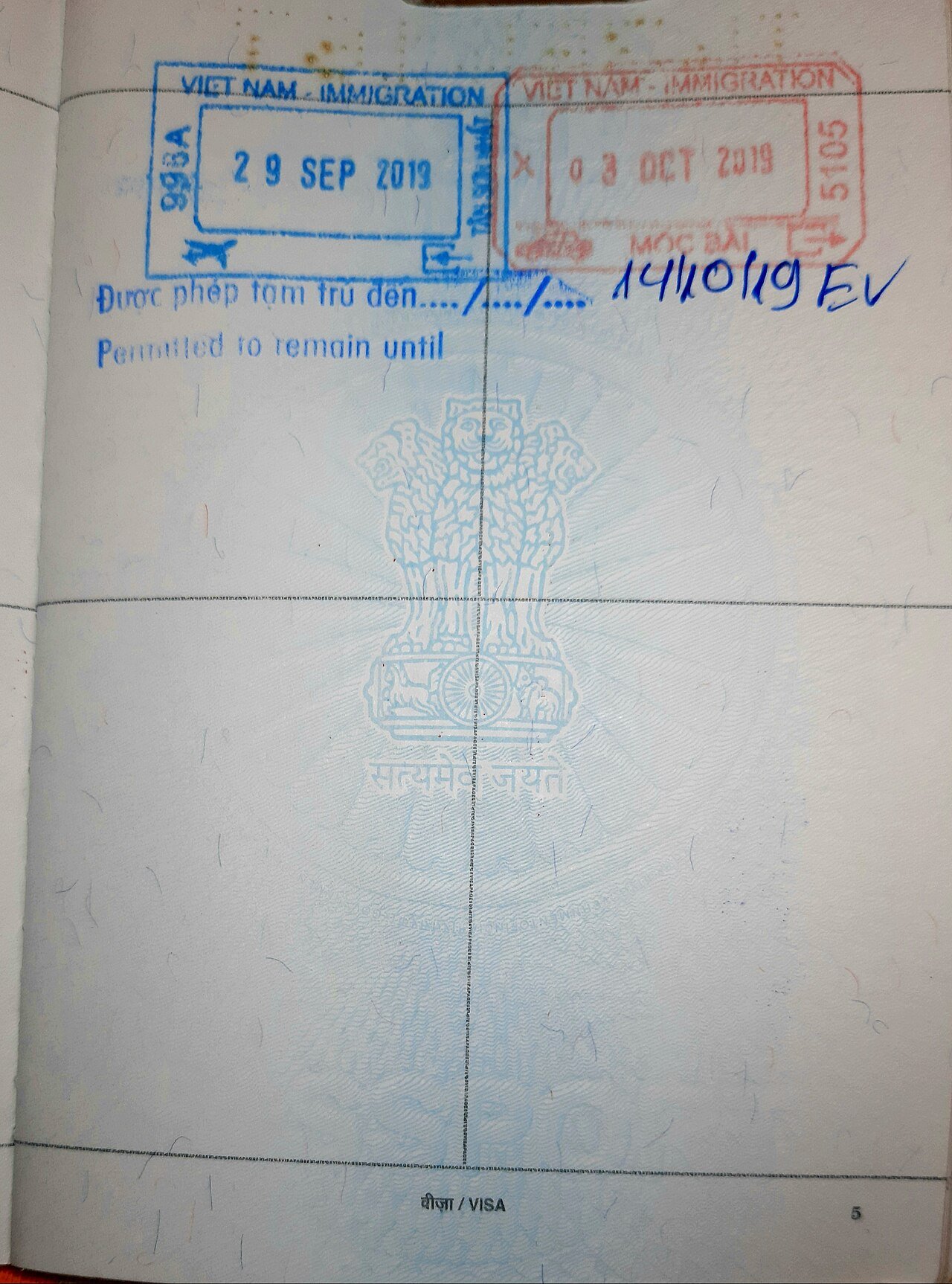
The older visa-on-arrival route is still used by some: you obtain a pre-approval letter from an agency online, then collect the visa stamp at the airport on arrival (paying a stamping fee), only valid for air travel. With the e-visa now offering long validity and full online convenience, most travellers prefer the e-visa, but visa-on-arrival can suit certain cases. Use reputable agencies if you go this route.
Processing time
The Vietnam e-visa is usually processed within a few business days (commonly around three working days, with faster options sometimes available), but apply well in advance to allow for any delays or document corrections. Don’t book non-refundable flights until your e-visa is issued. Processing can be slower in peak season, so leave buffer time and track your application with the reference code.
Entry requirements
On arrival, carry a printed copy of your e-visa, your passport (6+ months valid), and ideally proof of onward travel and accommodation. Ensure you enter through a port listed on your e-visa (you select entry/exit points when applying, so plan your route). Vietnam’s airports (Hanoi, Ho Chi Minh City, Da Nang) are used to e-visa arrivals and the process is generally smooth for travellers with documents in order.
Tips for a smooth application
Apply on the official government e-visa portal only (avoid third-party sites that overcharge), ensure your name and passport number exactly match your passport, upload clear photos/scans meeting the specs, and select the correct entry and exit points for your itinerary. Choose multiple entry if you’ll exit to a neighbouring country and return. Apply a week or two ahead, and carry a printout of the e-visa for immigration.
Why visit Vietnam
The easy e-visa opens up one of Southeast Asia’s best-value, most beautiful countries: the limestone seascape of Halong Bay, the lantern-lit old town of Hoi An, buzzing Hanoi and Ho Chi Minh City, terraced rice fields in the north, and superb, cheap food everywhere. It’s affordable, welcoming and ideal for first-timers — see our Vietnam travel guide and Vietnam itinerary to plan the trip.
Frequently asked questions
Do Indians need a visa for Vietnam? Yes, but it’s an easy online e-visa — no embassy visit needed for tourism.
How long is the Vietnam e-visa valid? Now up to 90 days, single or multiple entry (a recent improvement) — confirm on the official portal.
How long does it take? Usually around three business days; apply a week or two ahead.
Do I need to choose entry points? Yes — you select your port(s) of entry/exit when applying, so plan your route.
e-Visa or visa on arrival? The e-visa is now the simplest, most flexible option for most Indian tourists.
Entry points and multi-country trips
A key detail of the Vietnam e-visa is that you nominate your port(s) of entry and exit when applying, so plan your route first. With the new multiple-entry e-visa, you can leave Vietnam (say, to Cambodia or Laos) and return without a new visa — ideal for a wider Southeast Asia trip. Make sure the entry point on your e-visa matches where you’ll actually land (Hanoi, Ho Chi Minh City, Da Nang, or a land border if applicable). Choosing the right type and points up front avoids problems at immigration.
e-Visa versus visa on arrival
Both routes exist, but they suit different needs. The e-Visa is fully online, now offers up to 90 days and multiple entry, works for air and many land/sea entries, and needs no agency — the best choice for most. Visa on arrival requires a pre-approval letter from an agency, is only valid for air travel, and involves paying a stamping fee and queuing at the airport. With the e-visa now so flexible, visa on arrival is largely redundant for typical tourists, though it can help in specific last-minute cases.
What a Vietnam trip costs
Vietnam is one of Southeast Asia’s best-value destinations: the e-visa fee is modest, and on the ground, accommodation, food and transport are inexpensive. Flights from India (via a hub) are reasonable. The main costs are international flights, a quality Halong Bay cruise, and any internal flights between the north and centre/south. See our budget Vietnam guide and the Trip Cost Calculator to plan your spend — a week here goes a long way.
Getting to Vietnam from India
There are usually no direct flights, so Indians connect via Bangkok, Singapore, Kuala Lumpur or a Gulf hub to Hanoi, Ho Chi Minh City or Da Nang. Pick your e-visa entry point to match your arrival city. Many travellers combine Vietnam with another Southeast Asian country on the same trip, which the multiple-entry e-visa makes easy. Book flights early for the best fares, and align your e-visa entry/exit points with your itinerary.
More frequently asked questions
How long is the Vietnam e-visa now valid? Up to 90 days, single or multiple entry — a recent expansion; confirm on the official portal.
Do I have to enter at a specific airport? Yes — you nominate entry/exit points when applying, so plan your route accordingly.
Is the e-visa better than visa on arrival? For most tourists, yes — it’s fully online, longer-validity and more flexible.
Can I combine Vietnam with Cambodia or Laos? Yes — a multiple-entry e-visa lets you exit and return without reapplying.
The bottom line for Indian travellers
Vietnam’s e-visa has turned a once-fiddly process into one of the easiest in Asia: apply on the official government portal, upload your passport scan and photo, select single or multiple entry and your ports of entry/exit, pay the modest fee, and receive your e-visa by email within a few days — now valid for up to 90 days. Print it, match your entry point to your arrival city, and carry proof of onward travel and accommodation. With that done, Vietnam delivers extraordinary value and beauty — Halong Bay, Hoi An’s lanterns, vibrant cities and some of the best food in Southeast Asia. Apply a week or two ahead on the official site only, and your trip to one of the region’s most rewarding countries is good to go.
Disclaimer: This is general information, not immigration advice. Entry rules change without notice — verify the current requirements, fees and process on the official government portal or via an authorised agent/embassy before you apply or fly.
Plan your trip: use the visa checker, read the destination travel guide, estimate spend with the Trip Cost Calculator, and see more visa guides.
Last updated: June 2026. Visa rules, fees and processing times change frequently — always confirm on the official government portal, authorised agent or embassy before applying or booking.
Related reading: Egypt e-Visa for Indians 2026 — Fees, 30-Day Stay, Process & Documents · US Tourist Visa (B-1/B-2) for Indians 2026 — Fees, Process, Documents & Wait Times · UK Standard Visitor Visa for Indians 2026 — Fees, Process, Documents & TB Test