Trekking & Hiking Gear Essentials 2026 — Complete Packing Guide
The right gear can be the difference between a magical trek and a miserable one. Whether you’re tackling a Himalayan trail, a Western Ghats trek or a multi-day hike abroad, this complete trekking and hiking gear guide covers the essentials — what to carry, how to choose it, and what to leave behind — for safe, comfortable days on the trail. It’s written for Indian travellers, from weekend hikers to high-altitude trekkers.
Footwear: your most important gear
Invest in proper trekking shoes or boots with good grip, ankle support (for rough terrain) and a broken-in fit — never trek in brand-new shoes. Pair with moisture-wicking trekking socks (carry spares), and consider liner socks to prevent blisters. Comfortable, well-fitted footwear prevents the blisters and injuries that end treks early.
Clothing and layering
Use the layering system: a moisture-wicking base layer, an insulating fleece or down mid layer, and a waterproof, windproof outer shell. Add quick-dry trekking trousers (convertible ones are versatile), a sun hat and a warm cap, gloves, and a buff/neck gaiter. Avoid cotton, which stays wet and cold — choose synthetic or merino wool.
The backpack and carrying system
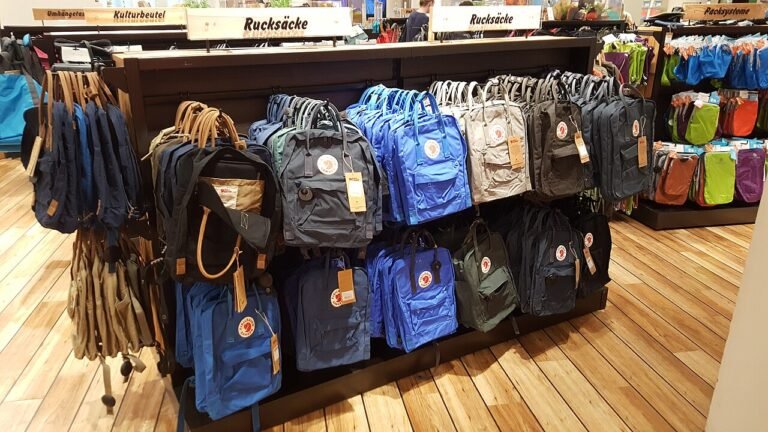
Choose a well-fitted backpack sized to your trek (20–30L for day hikes, 40–60L for multi-day), with a hip belt that transfers weight to your hips. Use a rain cover, pack heavier items close to your back, and carry a smaller summit/day bag if doing a base-camp-style trek. Trekking poles save your knees on descents and aid balance.
Hydration, navigation and safety
Carry enough water (bottles or a hydration bladder) plus purification tablets or a filter for refills. Bring a headlamp with spare batteries, a basic navigation aid (offline maps/GPS, and a paper map on remote routes), a whistle, and a first-aid kit with blister care, painkillers, antiseptic and any personal medication. For high altitude, know the symptoms of altitude sickness and carry relevant medication after consulting a doctor.
Sun, weather and the small essentials
High-altitude sun is intense: pack sunscreen, lip balm and sunglasses (glacier-grade for snow). Add a rain poncho or jacket, energy snacks (nuts, bars, chocolate), a power bank, a lightweight towel, and toilet paper plus a zip bag to pack out waste. A reusable bag for trash keeps trails clean.
What to leave behind
Skip heavy cotton clothing, excessive gadgets, bulky toiletries, jeans, and anything “just in case” that adds weight. Every extra kilo is felt on a climb — pack ruthlessly and weigh your bag before you go.
Renting and buying smartly
Buy the items that must fit you well (shoes, base layers, socks, backpack) and consider renting occasional-use gear (down jackets, sleeping bags, poles) at trekking hubs to save money and luggage. Test all gear on a short hike before a big trek.
Frequently asked questions
What’s the most important trekking gear? Properly fitted, broken-in trekking shoes and good socks — they prevent the injuries that end treks.
Do I need trekking poles? They’re highly recommended on steep or long descents to protect your knees.
Can I rent trekking gear in India? Yes — major trekking hubs rent jackets, sleeping bags and poles affordably.
Choosing the right backpack
Your pack is your home on the trail, so fit matters more than brand. Size it to your trek: 20–30 litres for day hikes, 40–60 litres for multi-day treks (or if you carry your own gear). Crucially, choose a pack with a supportive hip belt that transfers most of the weight to your hips, not your shoulders, and an adjustable back length to fit your torso. Add a rain cover, pack heavier items close to your back and centred, and use a smaller summit/day bag for base-camp-style treks. Test it loaded on a short walk before a big trek.
Sleeping gear for multi-day treks
On multi-day or camping treks, your sleep system is vital. A sleeping bag rated for the lowest expected temperature (mountain nights get far colder than days), a sleeping mat for insulation from the cold ground, and a liner for extra warmth and hygiene make the difference between rest and a miserable night. On many guided Himalayan treks these are provided or rentable, so check before buying. If staying in teahouses or homestays, a liner and a warm layer often suffice.
Trekking poles and why they help
Trekking poles are one of the best investments for hikers: they reduce strain on your knees (especially on descents), improve balance on uneven or slippery terrain, and help set a rhythm on long climbs. Adjustable, collapsible poles pack easily, and many treks rent them. Learn to set the length correctly (shorter for ascents, longer for descents) and use the wrist straps properly. Your knees will thank you on the way down from any significant climb.
Electronics, power and navigation
Carry a headlamp (hands-free, essential for early starts and camp) with spare batteries, a power bank (electricity is scarce or absent on trails, and cold drains batteries fast), and your phone with offline maps downloaded. On remote routes, a paper map, compass or GPS device adds safety. Keep devices warm in inner pockets at altitude. A small solar charger can help on long, off-grid treks. Don’t rely on mobile signal in the mountains — plan for being offline.
Food, snacks and hydration
Energy management makes or breaks a trek. Carry high-energy snacks — nuts, dried fruit, energy bars, chocolate, trail mix — for steady fuel between meals. Stay well hydrated with enough water (bottles or a hydration bladder) plus a filter or purification tablets to refill safely from streams and taps. Electrolyte sachets help on hot or high-altitude days. Eat and drink regularly rather than waiting until you’re depleted, and never start a long trek dehydrated or under-fuelled.
First aid and altitude preparation
Pack a first-aid kit tailored to trekking: blister care (tape, plasters), painkillers, antiseptic, bandages, any personal medication, and rehydration salts. For high-altitude treks (Ladakh, Everest/Annapurna regions, Himalayan passes), understand altitude sickness — ascend gradually, hydrate, recognise symptoms (headache, nausea, breathlessness), and consult a doctor about preventive medication beforehand. Never ignore worsening symptoms; descending is the cure. Travel insurance covering high-altitude trekking and evacuation is essential for serious treks.
Leave no trace and trail etiquette
Protect the mountains you’ve come to enjoy. Carry out all your waste (including wrappers and used toilet paper in a zip bag), stay on marked trails to prevent erosion, don’t pick plants or disturb wildlife, and use biodegradable soap away from water sources. Respect local communities and their customs, ask before photographing people, and support local homestays and guides. Yield to uphill hikers, keep noise down, and leave campsites cleaner than you found them. Responsible trekking keeps trails pristine for those who follow.
A printable trekking packing checklist
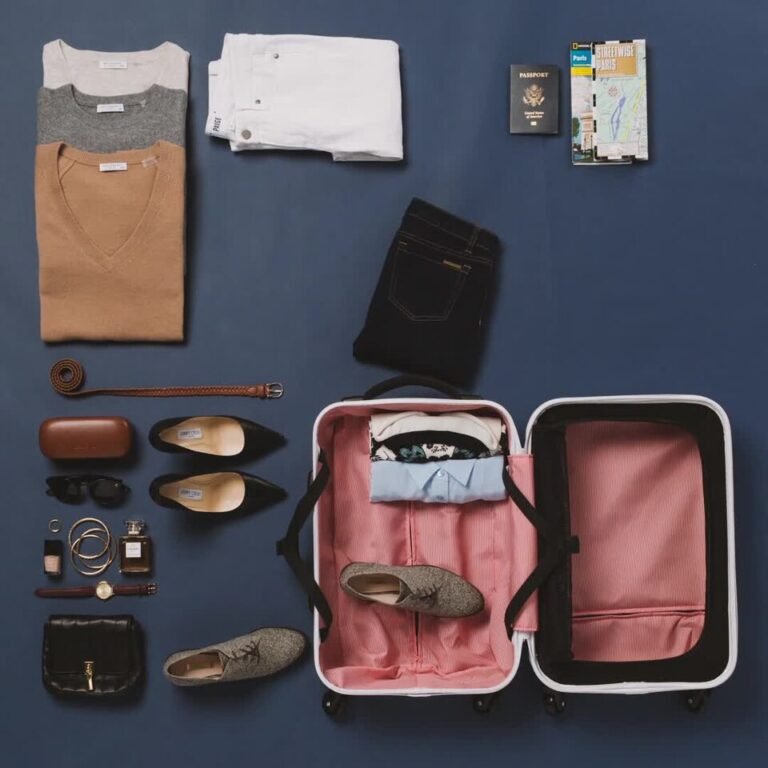
Core kit: broken-in trekking shoes/boots, trekking socks (spares), moisture-wicking base layers, fleece/down mid layer, waterproof shell, trekking trousers, sun hat and warm cap, gloves; a fitted backpack with rain cover, trekking poles; water bottles/bladder plus filter or tablets, high-energy snacks; headlamp, power bank, offline maps; first-aid and blister kit, sunscreen, lip balm, sunglasses; and a dry bag and zip bags for waste. Add a sleeping bag and mat for camping treks (or rent locally). Test everything on a short hike first, and pack as light as you safely can.
Choosing trekking footwear in depth
Footwear is the most important trekking decision. For rocky, uneven or high-altitude trails, boots with ankle support protect against twists; for gentler, well-graded trails, sturdy trail shoes may suffice and weigh less. Prioritise a proper fit (a thumb’s width at the toe to prevent black toenails on descents) and a broken-in pair — never trek in brand-new boots, which cause blisters. Waterproof membranes help in wet/snowy conditions. Pair with quality trekking socks (and liners), and carry blister tape from day one.
Fitness and pre-trek preparation
The right gear can’t replace preparation. In the weeks before a trek, build cardio fitness and leg strength with walks, stairs and hikes carrying a loaded pack to break in your boots and condition your body. For high-altitude treks, research acclimatisation and build rest days into the itinerary. Consult a doctor if you have health conditions. Arriving fit makes the trek safer, more enjoyable and far less likely to be derailed by injury or exhaustion.
Common trekking-gear mistakes
Avoid these pitfalls: new, unbroken-in boots; cotton clothing that stays wet and cold; an overloaded pack (every extra kilo is felt on a climb); skipping trekking poles and trashing your knees on descents; carrying too little water or no purification; and forgetting sun protection at altitude. Many also underestimate how cold nights get and pack too light on insulation. Weigh your pack, test your gear on a short hike, and pack ruthlessly.
Trekking with a guide or porter
On many Himalayan and popular international treks, hiring a local guide and/or porter enhances safety, supports the local economy and lets you enjoy the trail with a lighter load. Guides handle navigation, permits and logistics and share local knowledge; porters carry the bulk of the weight (carry your own daypack with essentials). Use reputable, fairly-paying operators, and treat porters ethically (reasonable loads, proper gear). For remote or high-altitude routes, a guide is strongly recommended for safety.
Final trekking-gear tips
Test every piece of gear on a short hike before a big trek, pack as light as safely possible, and keep essentials (water, layers, first aid, headlamp, snacks) accessible. Rent occasional-use items (sleeping bags, down jackets, poles) at trekking hubs to save money and luggage. Carry enough cash, offline maps and a power bank, and always carry out your waste. Above all, respect the mountains and your own limits — turning back is sometimes the smartest, bravest choice.
Day hike vs multi-day: what changes
Your kit scales with the trek. A day hike needs only a 20–30L pack with water, snacks, layers, a rain shell, first aid, headlamp and sun protection. A multi-day trek adds a larger pack, sleeping bag and mat (if camping or in basic teahouses), more clothing layers, extra food, and greater self-sufficiency in navigation and first aid. The longer and more remote the trek, the more you must carry or arrange (guide/porter), and the more critical fit, weight and reliability of gear become. Plan your packing around the trek’s length, altitude and support level.
Trekking in different seasons
Season transforms what you pack. Spring and autumn (the classic trekking windows in the Himalayas) need layers for warm days and cold nights. Summer/monsoon treks demand serious rain gear, quick-dry clothing and leech protection. Winter treks require heavy insulation, traction for snow and ice, and careful planning as routes and passes close. High altitude is cold year-round, so always pack warm layers regardless of the season at lower elevations. Check the specific trek’s conditions for your dates and pack for the coldest, wettest likely scenario.
More for your trip: see our travel gear guides and the how to pack a suitcase guide.
Last updated: June 2026.
Related reading: Monsoon Travel Essentials & Packing Guide 2026 — Gear for the Rains · Travel Essentials & Accessories Every Traveler Needs 2026 — Packing Checklist · Travel Safety & Anti-Theft Gear 2026 — Essentials That Actually Help