Germany Travel Guide for Indians (2026): Visa, Berlin, Bavaria & Itinerary
Last updated: July 14, 2026
Germany blends big-hitting cities with fairy-tale scenery: cutting-edge Berlin, Bavaria’s castles and beer gardens, the vineyard-lined Rhine, the deep Black Forest and some of Europe’s best Christmas markets. Efficient trains, great value for Western Europe and a warm welcome make it a superb choice for Indian travellers.
This 2026 guide for Indian travellers covers visas and flights, the best time to go, costs, getting around, where to stay and eat, and what not to miss.
- Visa: Indians need a Schengen visa for Germany — see our Germany visa guide and apply in advance.
- Getting there: Direct and one-stop flights to Frankfurt (FRA) and Munich (MUC).
- Best time: May–September for warm weather; December for magical Christmas markets.
- Don’t miss: Berlin, Neuschwanstein Castle, Munich, the Rhine Valley and the Black Forest.
Part 1 of 8
Why Germany belongs on your list
Germany surprises first-time visitors with its range. Berlin is edgy, historic and endlessly creative; Munich is elegant and traditional; the Rhine and Moselle valleys are dotted with castles and vineyards; and Bavaria’s Alps deliver postcard scenery crowned by Neuschwanstein Castle. Everything is knitted together by fast, punctual trains, and prices are gentler than France or Switzerland. For Indian travellers it is culture, nature and great value in one trip.
Part 2 of 8
Visas and getting to Germany
Visa: Indian passport holders need a Schengen visa for Germany. Apply through VFS Global with your itinerary, flights, hotels, travel insurance (minimum €30,000) and financial documents. Germany is known for meticulous document checks, so keep your paperwork consistent and complete. See our Germany visa guide and Schengen visa guide.
Getting there: Frankfurt (FRA) and Munich (MUC) have direct flights from Indian metros and one-stop connections nationwide. Both airports link straight into the excellent Deutsche Bahn train network.
Part 3 of 8
Best time to visit Germany
May to September brings warm days, long evenings, beer gardens and hiking weather — the best all-round window. Late September to early October is Oktoberfest season in Munich. December transforms cities with enchanting Christmas markets (Nuremberg, Cologne and Dresden are famous). Winters are cold, and the Alps offer skiing from December to March.
Part 4 of 8
Costs and budgeting for Indians
Germany offers good value for Western Europe. Round-trip flights from India typically run ₹52,000–₹72,000. Budget travellers can manage around ₹7,000–₹11,000 a day, mid-range around ₹14,000–₹22,000, and luxury beyond that.
| Style | Approx. daily budget (per person) |
|---|---|
| Budget (hostels, bakeries, transit passes) | ₹7,000–₹11,000 |
| Mid-range (3-star hotels, restaurants, attractions) | ₹14,000–₹22,000 |
| Luxury (4/5-star, fine dining, private tours) | ₹38,000+ |
Estimate your trip with our Trip Cost Calculator.
Part 5 of 8
Where to stay, what to eat and top experiences
Base in Berlin and Munich for city time, and use the Rhine towns or Bavarian villages for scenery. German food leans hearty — pretzels, sausages, schnitzel and, famously, beer — but vegetarian and vegan options are widespread in cities, and Indian restaurants are common in Berlin, Munich and Frankfurt.
Brandenburg Gate, the Wall, Museum Island and nightlife.
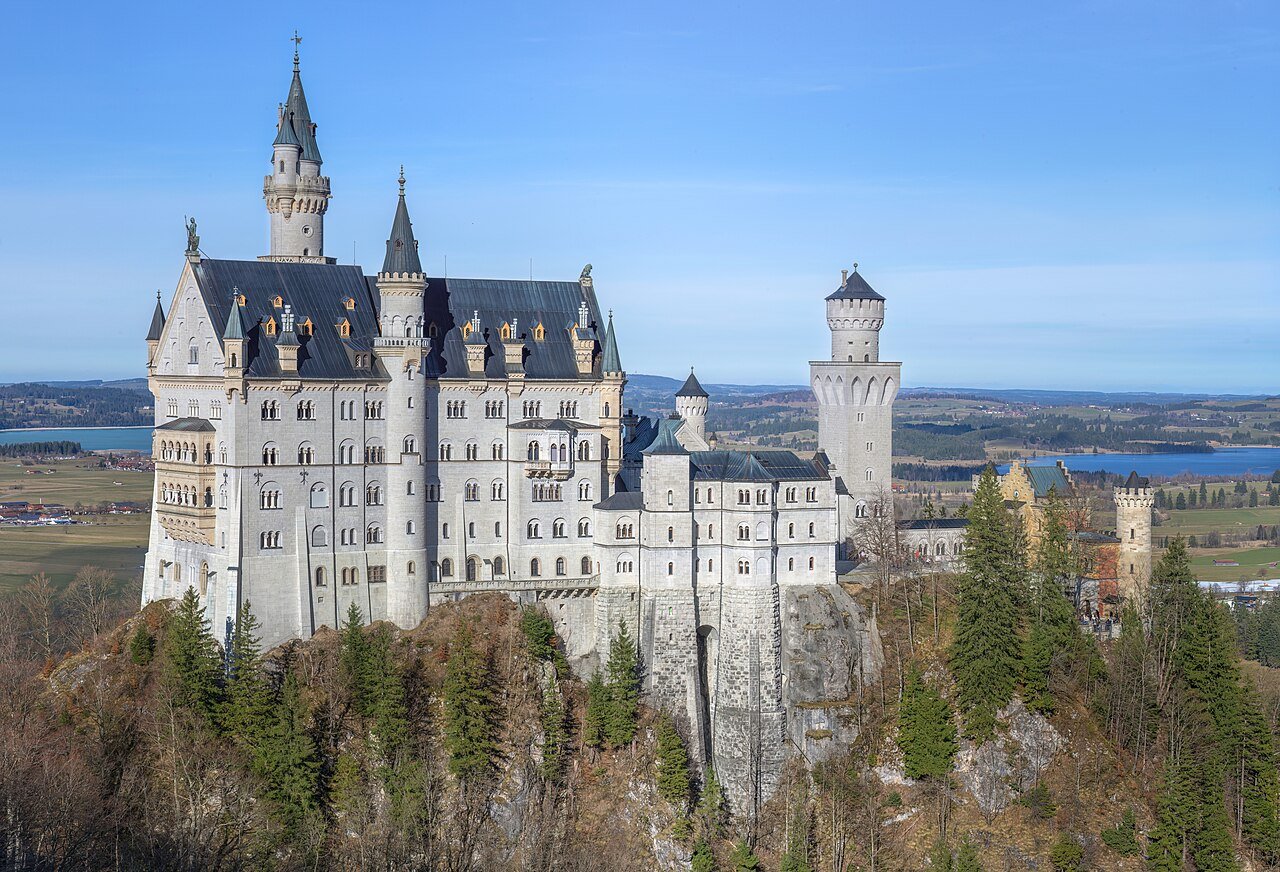
The fairy-tale castle that inspired Disney, in the Bavarian Alps.
Beer gardens, Marienplatz and gateway to the Alps.
Castle-topped cliffs, vineyards and river cruises.
Dense woods, cuckoo clocks and scenic drives.
Nuremberg, Cologne and Dresden light up in December.
Part 6 of 8
A 7–10 day Germany itinerary
- Days 1–3 — Berlin: Brandenburg Gate, Reichstag, Berlin Wall memorial, Museum Island.
- Days 4–6 — Munich & Bavaria: Marienplatz, a beer garden, and a day trip to Neuschwanstein Castle.
- Days 7–10 (optional): Add the Rhine Valley and Cologne, or the Black Forest and Heidelberg.
Prefer a ready-made plan? Build one with our Trip Planner.
Part 7 of 8
Practical tips for Indian travellers
- Carry some cash — many bakeries, cafes and smaller shops still prefer it, though cards are widely accepted.
- Most shops close on Sundays; plan groceries and shopping for weekdays or Saturday.
- Trains are punctual and fast; validate regional tickets where required and book long-distance fares early.
- Germans value punctuality and quiet on public transport — a small courtesy that’s appreciated.
- Tap water is safe; recycling is taken seriously, so sort your waste.
- Learn a few words — “Danke” (thanks) and “Hallo” (hello) go a long way.
Part 8 of 8
Frequently asked questions
Do Indians need a visa for Germany?
Yes — a Schengen visa. See our Germany visa guide.
How many days are enough for Germany?
7–10 days lets you combine Berlin, Munich and Bavaria with the Rhine or Black Forest.
Is Germany expensive for Indian travellers?
It offers good value for Western Europe — budget around ₹14,000–₹22,000 a day mid-range, plus flights.
Is Germany vegetarian-friendly?
Yes in cities — vegetarian and vegan food is widespread, and Indian restaurants are easy to find.
The bottom line
Germany packs history, fairy-tale castles, great food and superb trains into a trip that’s easier on the wallet than much of Western Europe. Sort your Schengen visa, pick summer or the Christmas season, and pair Berlin and Munich with a scenic region.