Adventure Travel in India: Activities & How to Plan Safely
Last updated: July 8, 2026
India is a paradise for adventure travel — from the high Himalayan passes of Ladakh and the rafting rapids of Rishikesh to scuba diving in the Andamans, paragliding in Bir Billing and desert safaris in Rajasthan. With the world’s mightiest mountains, long coastlines, deserts, jungles and rivers, India offers trekking, water sports, aerial thrills and wildlife adventures for every level, often at a fraction of global prices. For thrill-seekers, it is one of the most varied and affordable adventure destinations on earth.
This 2026 guide covers the best adventure activities and destinations across India, the right seasons, costs, safety and how to plan an unforgettable adventure trip.
- Trekking: The Himalayas — Ladakh, Himachal, Uttarakhand and Sikkim — lead the way.
- Water sports: Rafting in Rishikesh, scuba in the Andamans and Goa.
- Aerial thrills: Paragliding in Bir Billing, one of the world’s best sites.
- Best time: Activity-dependent — summer for Himalayan treks, winter for the south.
Part 1 of 8
Why India is an adventure paradise
Few countries match India’s sheer range of adventure. The Himalayas offer world-class trekking and mountaineering; rivers like the Ganga and Zanskar deliver thrilling rafting; the Andaman and Lakshadweep islands and Goa provide superb diving and water sports; sites like Bir Billing rank among the planet’s top paragliding spots; and the deserts, jungles and hills add safaris, caving, climbing and biking. All of this comes at remarkably affordable prices.
Trekking
Himalayan trails in Ladakh, Himachal and beyond.
River rafting
Rishikesh, Ladakh’s Zanskar and more.
Paragliding
Bir Billing and other top flying sites.
Scuba diving
Andamans, Lakshadweep and Goa.
Motorbiking
Epic rides to Leh and across the hills.
Wildlife safaris
Tigers and more in national parks.
Whether you want to climb, raft, dive, fly or ride, India offers an adventure for every passion, season and budget.
India is an adventure playground — Himalayan treks, Ganga rapids, Andaman reefs and Bir Billing skies, all at unbeatable value.
Part 2 of 8
Trekking and mountaineering in the Himalayas
The Indian Himalayas are the crown jewel of adventure travel, with trails for every level.
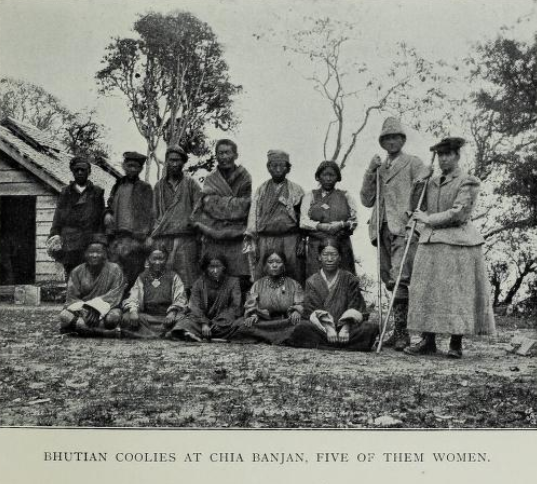
Ladakh: High-altitude treks like the Markha Valley and the winter Chadar (frozen river) trek, amid stark, stunning landscapes.
Himachal Pradesh: Classic routes around Manali, the Hampta Pass, and the remote beauty of Spiti Valley.
Uttarakhand: Iconic treks like Valley of Flowers, Roopkund and Kedarkantha, rich in scenery and spirituality.
Sikkim & the Northeast: The Goecha La trek with Kanchenjunga views, and offbeat trails in pristine surroundings.
Pro tip
Acclimatise properly to avoid altitude sickness on high treks, go with registered guides or operators, and book popular treks and permits in advance. Carry layered clothing, as Himalayan weather changes fast even in summer.
Most Himalayan trekking is best from May to October, while winter opens special treks like the Chadar. Use experienced local operators for safety and logistics.
Part 3 of 8
River rafting, diving and water sports
India’s rivers and coastlines deliver world-class water adventures.
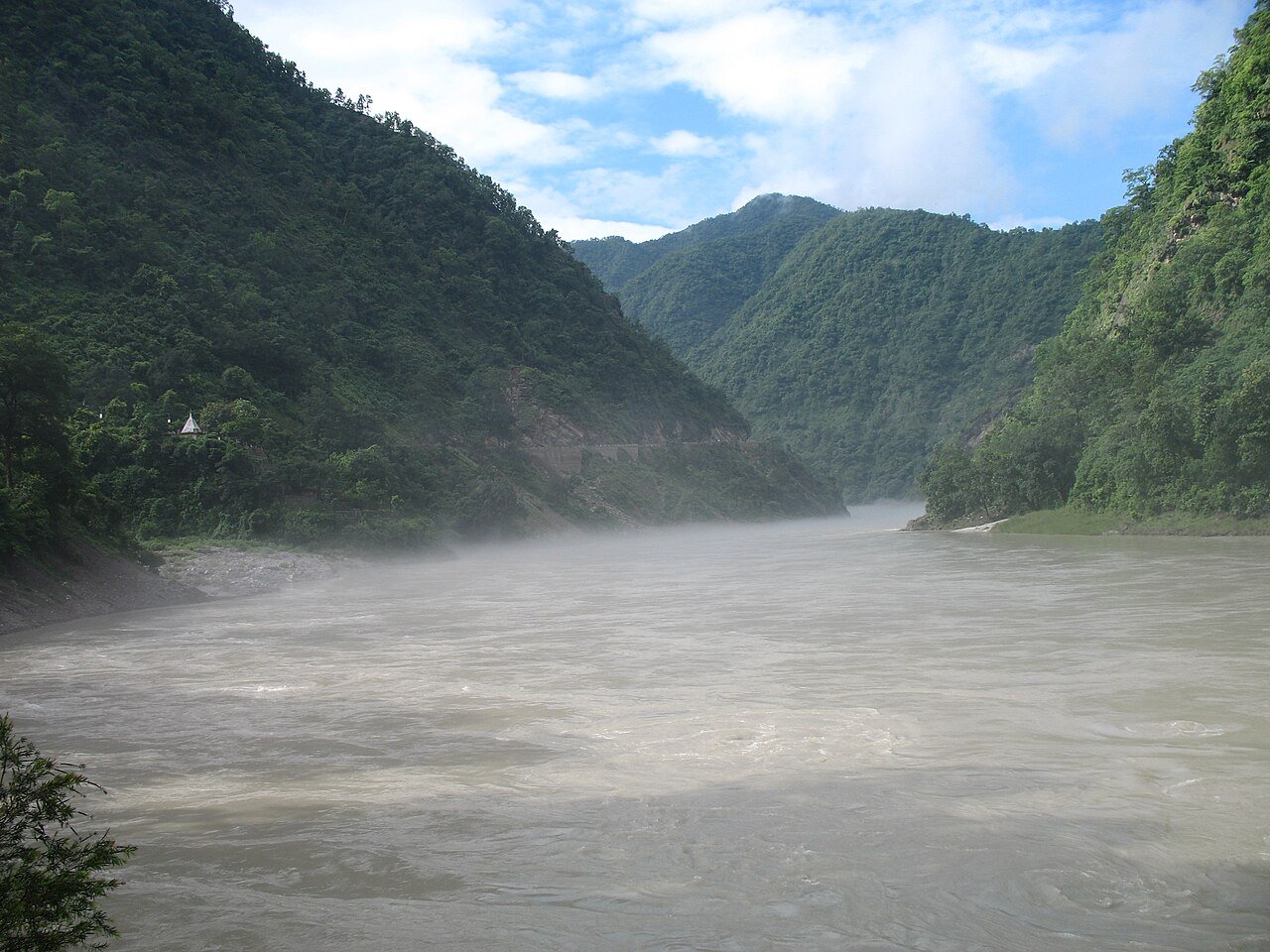
White-water rafting: Rishikesh on the Ganga is India’s rafting capital, with rapids for beginners to experts; the Zanskar in Ladakh and rivers in the Northeast offer wilder runs.
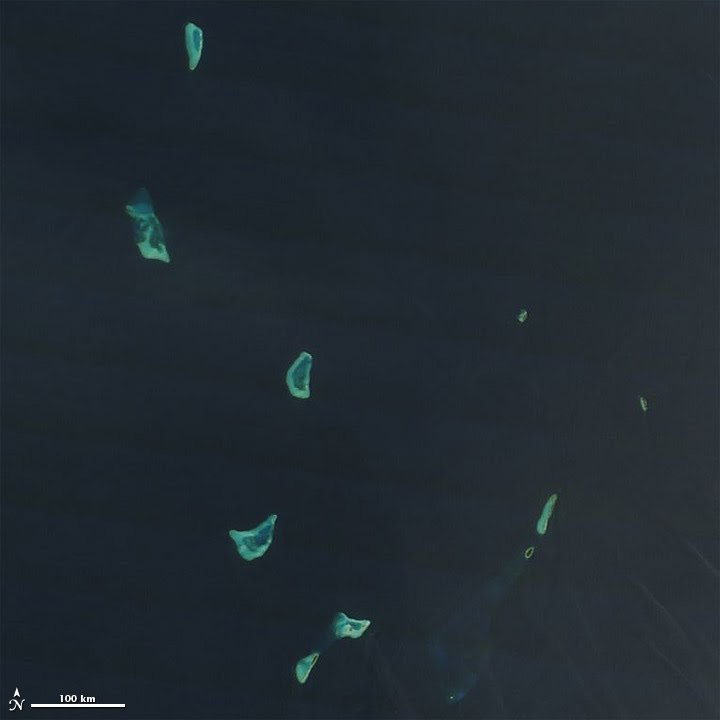
Scuba diving & snorkelling: The Andaman Islands (Havelock) boast spectacular reefs and clear waters, with Lakshadweep and Goa also popular for diving and snorkelling.
Other water sports: Goa and coastal resorts offer jet-skiing, parasailing, kayaking and surfing, while Kerala adds backwater kayaking.
| Activity | Top spot | Best season |
|---|---|---|
| White-water rafting | Rishikesh | Sep–Jun (not monsoon) |
| Scuba diving | Andaman Islands | Oct–May |
| Surfing | Karnataka & Kerala coast | Varies; check local |
| Kayaking | Goa & Kerala backwaters | Oct–Mar |
Always use certified operators for diving and rafting, wear safety gear, and pick conditions suited to your experience level.
Part 4 of 8
Paragliding, skydiving and aerial adventures
For thrills in the air, India has some superb options.
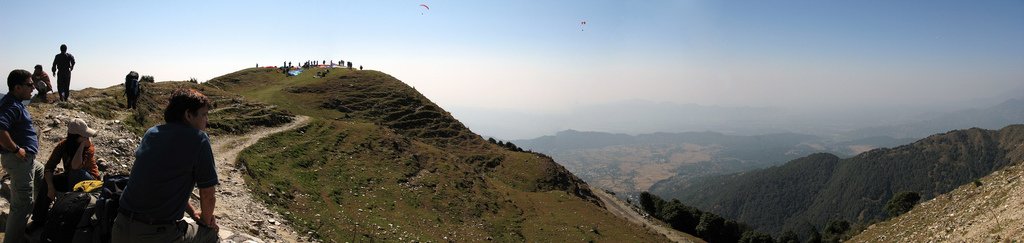
Paragliding: Bir Billing in Himachal Pradesh is among the world’s best paragliding sites and has hosted world championships; tandem flights let beginners soar safely. Other spots include Kamshet near Pune and parts of the south.
Other aerial thrills: Seasonal skydiving camps, hot-air ballooning in Rajasthan and Jaipur, and zip-lining at forts and hill stations add variety.
Bir Billing
World-class tandem and solo paragliding.
Kamshet
Popular paragliding near Pune, Maharashtra.
Hot-air ballooning
Sunrise flights over Rajasthan.
Skydiving
Seasonal camps at select locations.
Tandem flights with certified pilots make aerial adventures accessible to beginners, while experienced flyers find serious challenges at sites like Bir Billing.
Part 5 of 8
Costs and planning for adventure travel
One of India’s biggest draws is the value — adventure here costs far less than in most countries. Here is an indicative guide for 2026.
| Activity | Typical cost | Notes |
|---|---|---|
| Rishikesh rafting | ₹600–2,000 | Per person, by stretch and length. |
| Bir Billing tandem fly | ₹2,500–4,000 | Per flight with a certified pilot. |
| Scuba dive (Andamans) | ₹3,500–6,000 | Intro/fun dive with gear. |
| Guided Himalayan trek | ₹2,000–6,000/day | All-inclusive with operator. |
Independent trekking and budget options can be very cheap, while organised expeditions and premium lodges cost more. Factor in permits (especially for Ladakh, the Northeast and protected areas), gear rental or purchase, travel insurance covering adventure activities, and transport to often-remote trailheads.
Good to know
Adventure travel carries real risks. Use registered, reputable operators with proper safety gear and certified guides, get travel insurance that covers adventure activities, acclimatise on high treks, check weather and conditions, and never attempt activities beyond your fitness or skill level. Carry permits where required.
Part 6 of 8
Top adventure destinations across India
Some regions stand out as adventure hubs worth basing your trip around.
Ladakh: Trekking, rafting, motorbiking to high passes, and stark Himalayan beauty — the ultimate adventure region.
Rishikesh: Rafting, bungee jumping, cliff jumping and camping, plus yoga — India’s adventure capital.
Himachal Pradesh: Bir Billing paragliding, Spiti and Manali treks, skiing at Solang, and biking.
Andaman Islands: Scuba diving, snorkelling and water sports amid pristine reefs.
Ladakh
Treks, rafting and high-pass motorbiking.
Rishikesh
Rafting, bungee and adventure camping.
Himachal
Paragliding, treks, skiing and biking.
Andamans
Scuba diving and tropical water sports.
For more, consider Spiti Valley, Sikkim and the Northeast for offbeat treks, Rajasthan for desert and dune adventures, and the Western Ghats for trekking, caving and monsoon waterfalls.
Part 7 of 8
Practical tips for adventure travellers
A few pointers make an Indian adventure trip safer and smoother.
Use certified operators
Reputable guides and proper safety gear.
Get the right insurance
Cover adventure activities specifically.
Acclimatise & prepare
Build fitness; adjust to altitude.
Match season to activity
Summer for Himalayan treks, winter for the south.
India rewards adventurous travellers who plan well. Choose registered, reputable operators with certified guides and proper safety equipment, and take out travel insurance that specifically covers your adventure activities. Match the season to the activity — summer (May–October) for Himalayan treks and rafting, winter for southern diving and desert trips.
Acclimatise properly on high-altitude treks to avoid mountain sickness, build your fitness beforehand, and never attempt activities beyond your skill level. Arrange permits in advance for Ladakh, the Northeast and protected areas, carry layered clothing and the right gear, and check weather and local conditions. With its unmatched range and superb value, India offers adventure travellers — from beginners to experts — some of the most thrilling and affordable experiences in the world.
Part 8 of 8
Frequently asked questions
What are the best adventure activities in India?
India offers Himalayan trekking and mountaineering, white-water rafting (Rishikesh), scuba diving (Andamans), paragliding (Bir Billing), motorbiking to high passes, skiing, desert safaris and wildlife safaris. The variety spans mountains, rivers, coasts, deserts and jungles, with options for every level and budget, often far cheaper than elsewhere.
When is the best time for adventure travel in India?
It depends on the activity. Himalayan trekking and rafting are best in summer (May–October), while the winter opens special treks like Ladakh’s Chadar. Scuba diving in the Andamans is best October–May, and desert and southern adventures suit the cooler winter months. Match the season to your chosen activity and region.
Where is the best trekking in India?
The Himalayas lead the way: Ladakh (Markha Valley, Chadar), Himachal Pradesh (Hampta Pass, Spiti), Uttarakhand (Valley of Flowers, Roopkund, Kedarkantha) and Sikkim (Goecha La with Kanchenjunga views). These offer trails for all levels amid spectacular mountain scenery, mostly best from May to October.
Is adventure travel in India safe?
It can be, with the right precautions. Use registered, reputable operators with certified guides and proper safety gear, get insurance covering adventure activities, acclimatise on high treks, check weather and conditions, and stay within your fitness and skill level. Risks are real, so never cut corners on safety or attempt activities beyond your ability.
How much does adventure travel cost in India?
India offers exceptional value. Indicatively, Rishikesh rafting costs ₹600–2,000, a Bir Billing tandem flight ₹2,500–4,000, an Andaman dive ₹3,500–6,000, and a guided Himalayan trek ₹2,000–6,000 a day all-inclusive. Independent options are cheaper; budget extra for permits, gear, insurance and transport to remote trailheads.
Where can I go paragliding in India?
Bir Billing in Himachal Pradesh is among the world’s best paragliding sites and has hosted world championships, with tandem flights for beginners. Kamshet near Pune is another popular site, and there are spots in the south. Always fly with certified pilots and operators using proper equipment.
Do I need permits for adventure travel in India?
Often, yes. Ladakh, the Northeast states, border areas and protected reserves require permits such as Inner Line Permits, and many treks need forest or area permits. Arrange these in advance, usually through your operator, and carry identification. Diving and rafting operators handle their own permissions, but always confirm requirements beforehand.
Is India good for beginner adventure travellers?
Yes. Many activities cater to beginners — tandem paragliding with certified pilots, beginner rafting stretches in Rishikesh, intro scuba dives in the Andamans, and easier Himalayan treks. Reputable operators provide training, gear and guides, making it easy to start safely. Build fitness, choose suitable options, and progress as your experience grows.
What is the best adventure destination in India?
Ladakh is arguably the ultimate adventure region, combining high-altitude trekking, river rafting on the Zanskar, and epic motorbiking to the world’s highest passes amid stark Himalayan beauty. Rishikesh is India’s adventure capital for rafting, bungee and camping, while Himachal Pradesh and the Andaman Islands round out the top tier for variety.
Can beginners go scuba diving in the Andaman Islands?
Yes. The Andaman Islands, especially Havelock (Swaraj Dweep), offer introductory and fun dives for beginners with certified instructors, equipment and training in clear, warm waters with spectacular reefs. The best season is October to May. No prior experience is needed for a guided intro dive, making it an accessible bucket-list adventure.
What gear do I need for Himalayan trekking in India?
Pack layered clothing for fast-changing weather, a warm insulated jacket, waterproofs, sturdy broken-in trekking boots, a good backpack, a sleeping bag rated for cold, sun protection, a headlamp, a water bottle and basic first aid. Reputable operators often supply tents and shared gear. Carry permits and adjust to altitude before high treks.
The bottom line
India is one of the world’s most varied and affordable adventure destinations — Himalayan treks in Ladakh and Uttarakhand, white-water rafting in Rishikesh, scuba diving in the Andamans, paragliding in Bir Billing, and desert and wildlife safaris beyond. Match the season to your activity, use certified operators with proper safety gear, get the right insurance, acclimatise on high treks, and arrange permits in advance. From beginners to experts, India offers thrilling, unforgettable adventures at unbeatable value.
Related reading
 Packing for High Altitude: Leh, Spiti & Himalayan Trips
 Sustainable & Eco-Tourism: How to Travel Responsibly
 Self-Drive Car Rentals in India: A Practical Guide
Photos sourced from Wikimedia Commons under their respective Creative Commons licences. Activity costs and details are indicative for 2026; confirm current prices, permits and conditions with operators before you travel.