Cafe & Coffee Trails in India: A Coffee Lover’s Travel Guide
Last updated: July 8, 2026
India’s coffee culture is booming — from the historic plantations of the south to a vibrant new wave of specialty cafés in every city and hill town. For travellers who love coffee, India offers a rich “café and coffee trail”: touring the misty estates of Coorg and Chikmagalur where Indian coffee is grown, sipping filter coffee in Tamil Nadu, and café-hopping through the buzzing third-wave coffee scenes of Bengaluru, Mumbai, Delhi and beyond. This guide maps India’s best coffee experiences for travellers.
This guide covers India’s coffee-growing regions, top café cities and hill-town coffee scenes, what to drink, the best time to go and tips for a great coffee trail.
- Plantations: Coorg, Chikmagalur and the Western Ghats grow most of India’s coffee — tour the estates.
- Filter coffee: South India’s iconic filter coffee is a must-try.
- Café cities: Bengaluru, Mumbai, Delhi, Pune and Goa have thriving specialty-café scenes.
- Hill towns: Cosy cafés in places like Coorg, Munnar, Manali and the Northeast.
Part 1 of 8
India’s growing coffee culture
India is one of the world’s notable coffee producers, with a centuries-old tradition rooted in the southern hills, and today a fast-growing specialty-coffee movement is sweeping its cities and hill towns. A coffee trail through India lets you experience both worlds — the source, on misty plantation estates, and the cup, in everything from old-school filter-coffee houses to sleek third-wave cafés roasting single-origin Indian beans. For coffee lovers, it is a delicious, aromatic way to explore the country.
Plantation tours
Walk the estates where Indian coffee grows.
Filter coffee
South India’s iconic frothy filter coffee.
Café cities
Third-wave coffee in the big metros.
Hill-town cafés
Cosy coffee spots in scenic hills.
Single-origin beans
Specialty roasters and Indian estates.
Café culture
Food, ambience and the coffee community.
Whether you want to trace coffee from bean to cup, savour traditional filter coffee, or café-hop through India’s trendy coffee scenes, a coffee trail offers a flavourful and atmospheric journey across the country.
India’s coffee trail runs from misty southern estates to third-wave city cafés — bean to cup, filter to flat white, a journey for coffee lovers.

Part 2 of 8
India’s coffee-growing regions
Most of India’s coffee is grown in the hills of the south, which make wonderful plantation-trail destinations.
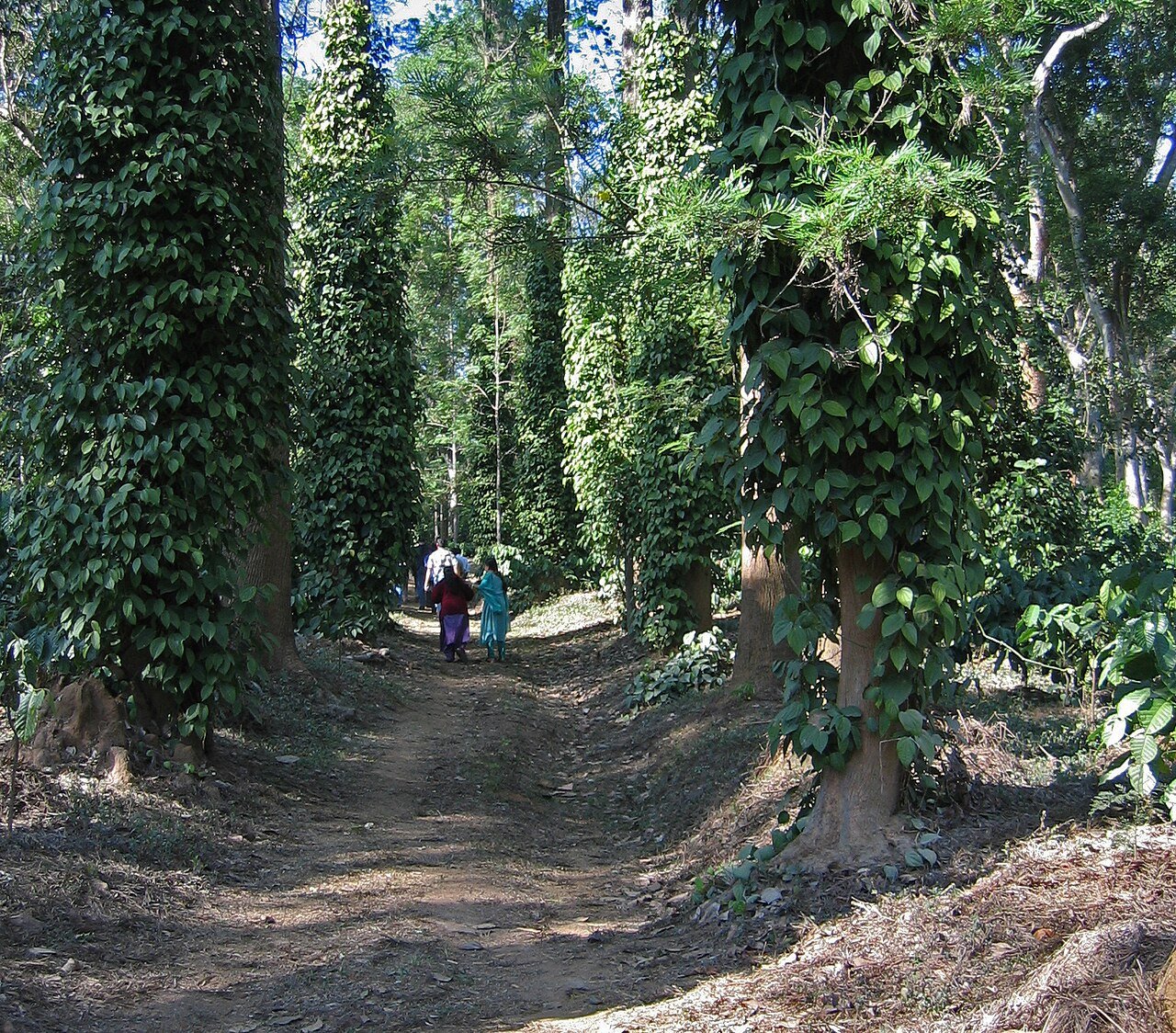
Coorg (Kodagu), Karnataka: The heart of Indian coffee, with countless estates, plantation stays and tours amid misty hills.
Chikmagalur, Karnataka: The birthplace of Indian coffee, with scenic estates and plantation experiences.
Wayanad & the Nilgiris: Kerala and Tamil Nadu’s hills, with coffee (and tea) plantations and estate stays.
Araku Valley, Andhra Pradesh: A rising specialty-coffee region with tribal-grown, award-winning beans.
Pro tip
Stay on a working coffee plantation in Coorg, Chikmagalur or Araku for the full bean-to-cup experience — many offer guided estate walks, coffee tastings and home-cooked meals amid beautiful scenery.
Plantation tours let you see how coffee is grown, harvested and processed, taste it at the source, and enjoy the cool, green beauty of the Western Ghats and other coffee hills.
Part 3 of 8
Top café cities and coffee scenes
India’s cities are home to a vibrant, fast-growing specialty-café culture.
| City | Coffee scene | What to expect |
|---|---|---|
| Bengaluru | India’s coffee capital | Third-wave cafés, roasters and a deep coffee culture. |
| Mumbai | Buzzing & diverse | Trendy cafés, specialty roasters and café dining. |
| Delhi-NCR | Big & varied | From classic coffee houses to sleek new cafés. |
| Pune & Goa | Vibrant & relaxed | Indie cafés, beach coffee and a laid-back scene. |
| Chennai & the south | Filter-coffee heartland | Iconic traditional filter coffee plus new cafés. |
Bengaluru leads India’s specialty-coffee movement, but Mumbai, Delhi, Pune, Goa and beyond all boast thriving café scenes blending third-wave coffee, great food and atmosphere. In the south, traditional filter-coffee houses offer an authentic, time-honoured contrast to the trendy new cafés.
Part 4 of 8
What to drink and costs
A coffee trail is affordable and lets you sample a wide range of brews.
What to drink: Try South Indian filter coffee (kaapi) served frothy in a steel tumbler; single-origin pour-overs and espresso drinks at specialty cafés; estate-fresh coffee on plantations; and regional specialties like Araku coffee. Don’t miss pairing coffee with local snacks and café food.
| Item | Approx. cost | Notes |
|---|---|---|
| Filter coffee | ₹20–60 | Traditional South Indian kaapi at local spots. |
| Specialty café coffee | ₹150–350 | Pour-overs, lattes and single-origin at third-wave cafés. |
| Plantation tour | ₹300–1,500 | Guided estate walk and tasting (sometimes with a stay). |
| Plantation stay | ₹3,000–10,000+ | Per night, often including meals and estate walks. |
From a ₹30 filter coffee to a ₹300 single-origin pour-over and immersive plantation stays, a coffee trail suits every budget. Plantation stays and tours are the main splurge, while café-hopping and traditional coffee are cheap and delicious.
Good to know
Plantation areas are in hilly, sometimes remote regions, so plan transport and stays ahead, and travel in good weather (avoid the heavy monsoon for estate walks). Support local estates and cafés, and respect plantation property and workers during tours.
Part 5 of 8
Hill-town and scenic café experiences
Beyond the cities and plantations, India’s hill towns offer cosy, scenic coffee experiences.
Coorg & Chikmagalur: Plantation cafés and estate stays with coffee amid the mist.
Munnar & the south: Tea-and-coffee hill cafés with valley views.
Manali, Kasol & the north: The famous café culture of Old Manali and the Parvati Valley, beloved by backpackers.
Northeast & Darjeeling: Cosy cafés in scenic hill towns, plus tea-country charm.
Coorg estates
Plantation cafés in the coffee hills.
Old Manali
Famous backpacker café culture.
Hill cafés
Munnar, Darjeeling and the south.
Scenic sips
Coffee with mountain and valley views.
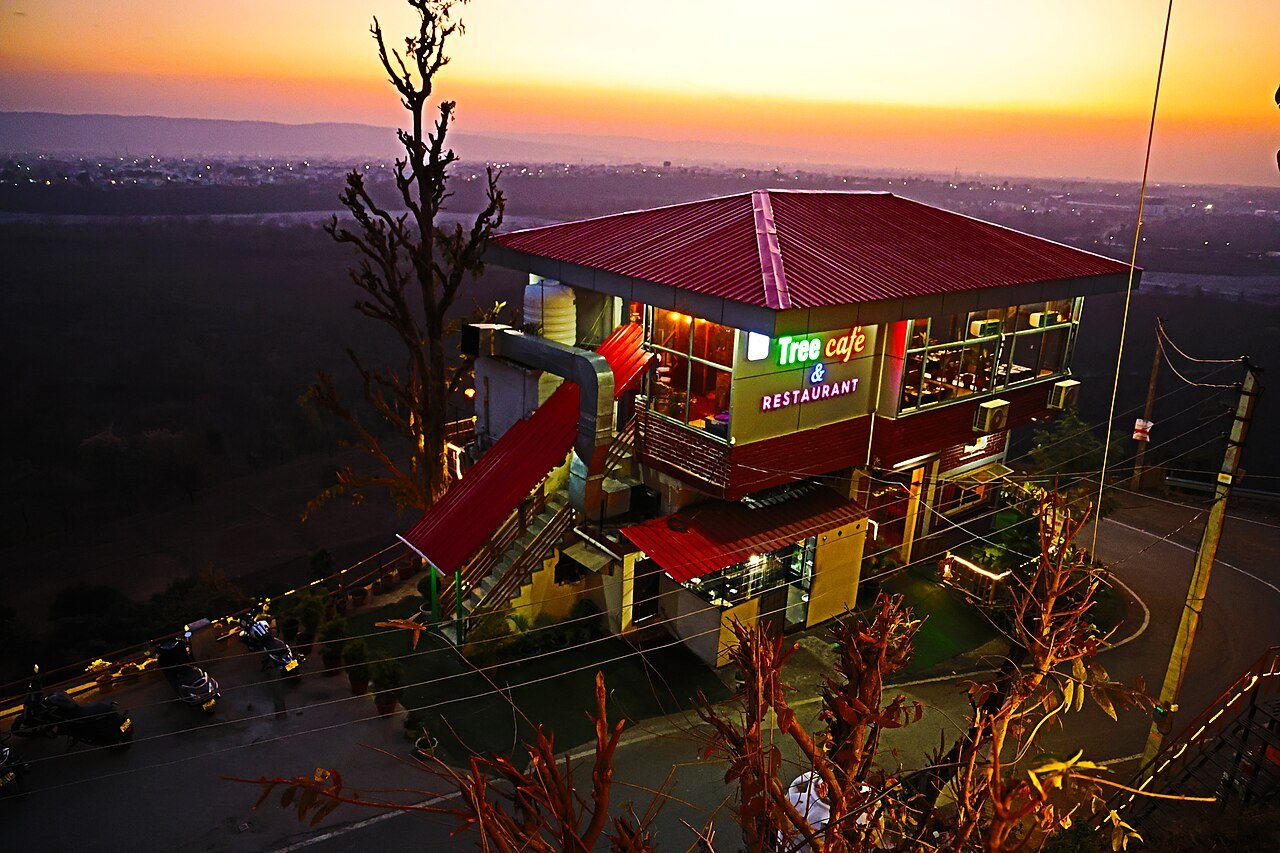
These hill-town cafés combine great coffee with cool air, stunning scenery and a relaxed vibe, making them a highlight of any coffee-and-café trail through India.
Part 6 of 8
Best time and planning a coffee trail
Timing and a loose plan make a coffee trail more rewarding.
Best time for plantations: The cooler, drier months (roughly October–March) are ideal for estate visits and walks; the monsoon is lush but very wet. The flowering and harvest seasons add interest for coffee enthusiasts.
City cafés: Year-round, though the cooler months are pleasant for café-hopping.
Planning a trail: Combine a plantation region (Coorg, Chikmagalur or Araku) with a café city (like Bengaluru) for a bean-to-cup journey, or simply café-hop through your favourite cities and hill towns.
Pro tip
Pair Coorg or Chikmagalur’s plantations with Bengaluru’s café scene for a perfect bean-to-cup trail, and visit the estates between October and March for the best weather. Book plantation stays and tours in advance, especially on weekends.
Part 7 of 8
Practical tips for a coffee trail
A few pointers help you make the most of India’s coffee trail.
Try filter coffee
Authentic South Indian kaapi is a must.
Visit a plantation
See coffee from bean to cup.
Café-hop cities
Bengaluru leads the third-wave scene.
Time it right
Estates are best Oct–March.
A coffee trail through India rewards both the curious and the connoisseur. Combine a coffee-growing region — Coorg, Chikmagalur, the Nilgiris or Araku — with a café city like Bengaluru for the full bean-to-cup experience, and don’t miss authentic South Indian filter coffee alongside the third-wave specialty scene. Stay on a working plantation for guided estate walks, tastings and beautiful scenery.
Visit the plantations in the cooler, drier months (October–March) for the best weather, avoiding the heavy monsoon for estate walks, and book stays and tours ahead, especially on weekends. Café-hop year-round in the cities and hill towns, support local estates and independent cafés, and savour coffee paired with regional snacks and café food. Whether you trace coffee to its source or simply chase the perfect cup, India’s coffee trail is a flavourful way to explore the country.
Part 8 of 8
Frequently asked questions
Where is coffee grown in India?
Most of India’s coffee is grown in the southern hills — chiefly Coorg (Kodagu) and Chikmagalur in Karnataka (the heart and birthplace of Indian coffee), along with Wayanad and the Nilgiris in Kerala and Tamil Nadu, and the rising Araku Valley in Andhra Pradesh, known for its award-winning tribal-grown beans.
What is South Indian filter coffee?
Filter coffee (kaapi) is a traditional South Indian preparation, made by brewing finely ground coffee in a metal filter and mixing the strong decoction with hot milk and sugar, then pouring it back and forth between a tumbler and dabarah to create a frothy, aromatic cup. It is an iconic, must-try part of any Indian coffee trail.
Which Indian cities have the best café scenes?
Bengaluru leads India’s specialty-coffee movement with its many third-wave cafés and roasters, followed by Mumbai, Delhi-NCR, Pune and Goa, which all have thriving café cultures. In the south, Chennai and other cities also offer iconic traditional filter-coffee houses alongside trendy new cafés.
Can I visit and stay on a coffee plantation?
Yes. Coorg, Chikmagalur, the Nilgiris and Araku all offer working coffee plantations with guided estate walks, coffee tastings and plantation stays, often including home-cooked meals amid beautiful, misty scenery. Staying on an estate is the best way to experience Indian coffee from bean to cup.
When is the best time for a coffee plantation trail?
The cooler, drier months, roughly October to March, are ideal for plantation visits and estate walks, with pleasant weather in the coffee hills. The monsoon is lush and green but very wet, making walks harder. The flowering and harvest seasons add extra interest for keen coffee enthusiasts.
How much does a coffee trail in India cost?
It suits every budget. Traditional filter coffee costs around ₹20–60, specialty café drinks ₹150–350, plantation tours ₹300–1,500, and plantation stays ₹3,000–10,000 plus per night (often with meals). Café-hopping and traditional coffee are cheap, while plantation stays and tours are the main splurge.
What should I drink on an Indian coffee trail?
Try South Indian filter coffee (kaapi) at traditional spots, single-origin pour-overs and espresso drinks at specialty cafés, estate-fresh coffee on plantations, and regional specialties like Araku coffee. Pair your coffee with local snacks and café food, and sample both the traditional and third-wave sides of India’s coffee culture.
How do I plan a bean-to-cup coffee trail?
Combine a coffee-growing region — such as Coorg or Chikmagalur — with a café city like Bengaluru, so you experience coffee at its source on the plantations and in the cup at specialty cafés. Visit the estates between October and March, book stays and tours ahead, and weave in filter-coffee stops and hill-town cafés along the way.
What is Araku coffee and why is it special?
Araku coffee comes from the tribal-farmed estates of the Araku Valley in Andhra Pradesh, grown organically at altitude by local communities. It has won international awards and is prized for its smooth, distinctive flavour and its community-led, sustainable production. Visiting Araku lets you taste this rising specialty coffee at its source while supporting tribal farmers.
Is India better known for coffee or tea?
India is famous for both, but they come from different regions — tea from Assam, Darjeeling and the Nilgiris, and coffee chiefly from the southern hills of Karnataka, Kerala and Andhra Pradesh. While tea is the more ubiquitous everyday drink, India has a deep, centuries-old coffee tradition in the south and a fast-growing specialty-coffee culture in its cities, making a dedicated coffee trail very rewarding.
The bottom line
India’s coffee trail is a flavourful way to explore the country, running from the misty southern plantations of Coorg, Chikmagalur and Araku to the buzzing third-wave cafés of Bengaluru, Mumbai and beyond, with iconic South Indian filter coffee and cosy hill-town cafés along the way. Combine a coffee-growing region with a café city for the full bean-to-cup experience, visit the estates between October and March, stay on a working plantation, and savour both the traditional and specialty sides of India’s booming coffee culture. For coffee lovers, it is one of the most delicious ways to travel India.
Related reading
 Weekend Getaways from Bangalore: 15 Best Short Trips (2026)
 Coorg & Wayanad Itinerary 2026 — 6-Day Western Ghats Road Trip
 Resort vs Hotel for Family Trips: Which Is Better? (2026)
Photos sourced from Wikimedia Commons under their respective Creative Commons licences. Region, café and cost details are indicative for 2026; confirm current tours, stays and prices before you travel.