Coorg & Wayanad Itinerary 2026 — 6-Day Western Ghats Road Trip
Last updated: July 8, 2026
Coorg and Wayanad are the lush green jewels of South India’s Western Ghats — neighbouring hill districts of misty coffee and spice plantations, tumbling waterfalls, wildlife-rich forests and cool, refreshing air. Combining Coorg (in Karnataka) with Wayanad (in Kerala) makes a wonderful nature getaway, blending plantation stays, treks, waterfalls and wildlife in one trip. Relaxed, scenic and easy to reach from Bengaluru, Mysore or Kochi, this itinerary is perfect for nature-loving Indian travellers.
This 2026 itinerary lays out a practical route combining Coorg and Wayanad, with tips on getting around, the best time to go, costs, where to stay and what not to miss.
- Getting there: Drive from Bengaluru, Mysore or Kochi; the nearest airports are Mysore, Kannur and Kozhikode/Mangaluru.
- Best time: October to March for pleasant weather; the monsoon is lush but very wet.
- This route: Coorg (Madikeri) → Wayanad, over about 5–6 days.
- Don’t miss: Coffee plantations, Abbey and Iruppu Falls, Wayanad’s wildlife, Edakkal Caves and Chembra Peak.
Part 1 of 8
Why a Coorg + Wayanad itinerary works
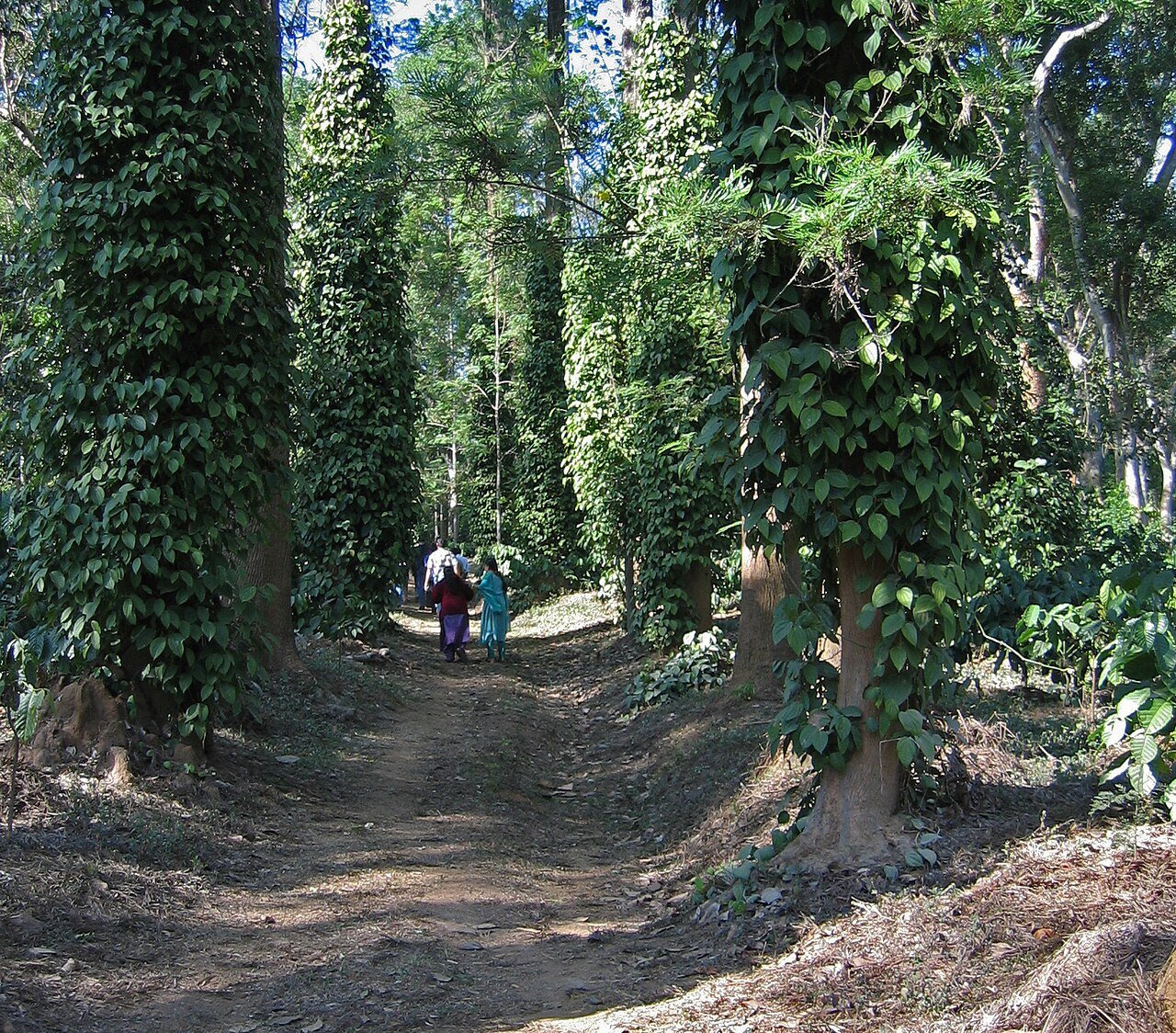
These two hill districts complement each other beautifully. Coorg, the “Scotland of India,” offers rolling coffee estates, the Abbey and Iruppu waterfalls, the Dubare elephant camp and Tibetan monasteries, while neighbouring Wayanad adds wildlife sanctuaries, the ancient Edakkal Caves, the Chembra Peak trek and more plantations and falls. Together they make a relaxed, green nature escape full of plantation stays, treks, waterfalls and cool mountain air.
Coffee plantations
Misty estate stays and plantation walks.
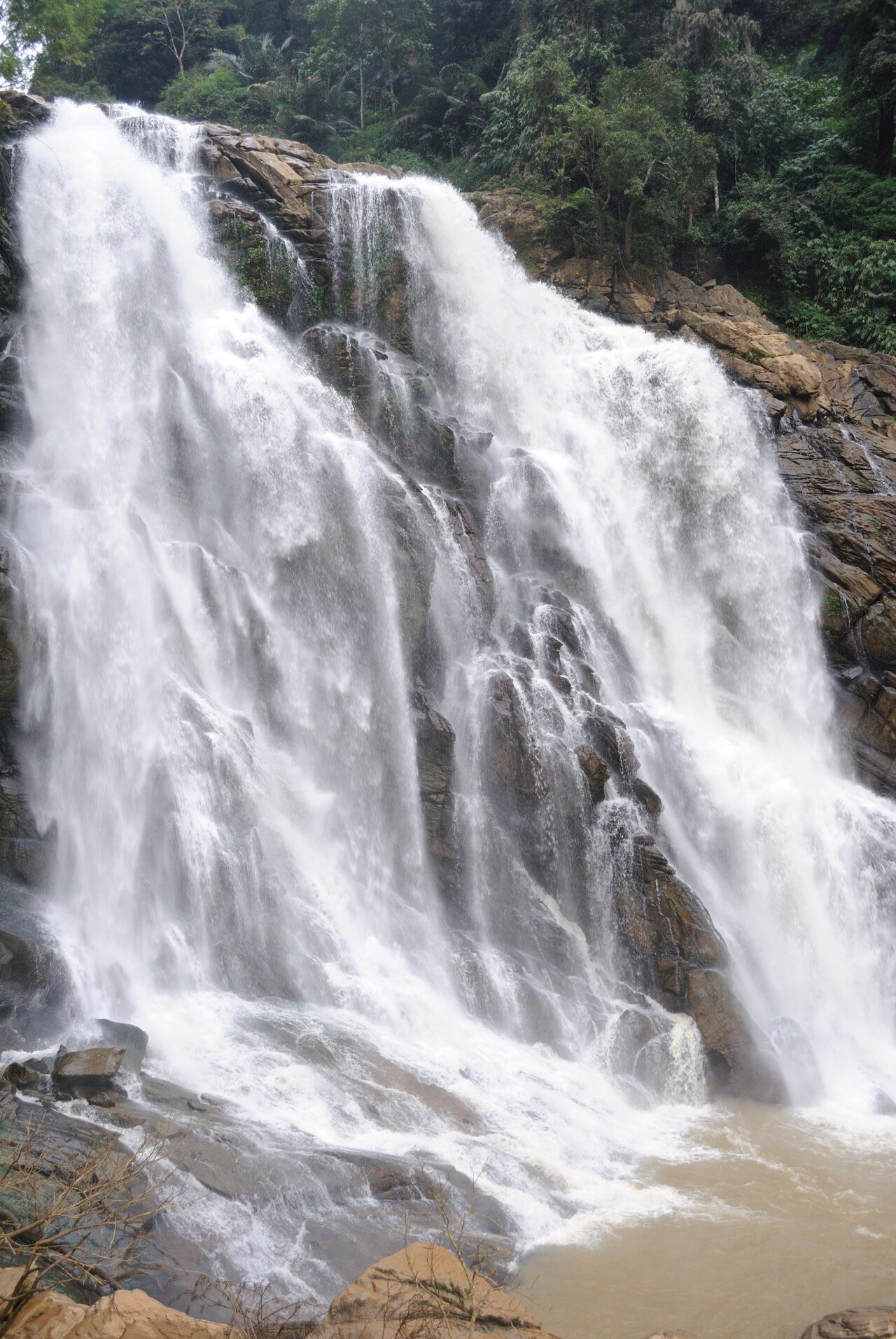
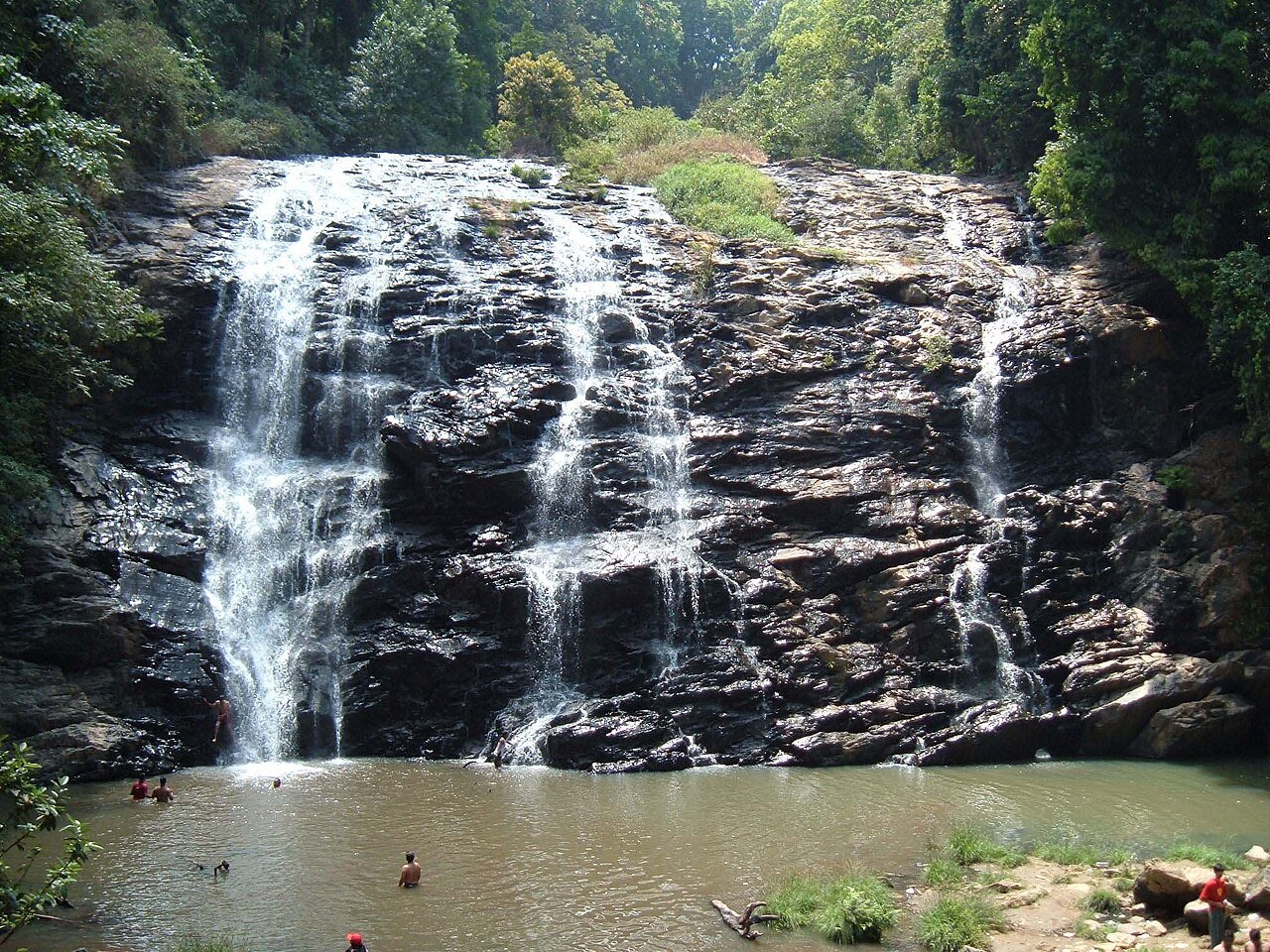
Waterfalls
Abbey, Iruppu and Wayanad’s cascades.
Wildlife
Dubare elephant camp and Wayanad sanctuary.
Treks & peaks
Chembra Peak and Tadiandamol viewpoints.
Edakkal Caves
Ancient petroglyphs in Wayanad.
Culture
Coorgi heritage and Tibetan monasteries.
Whether you want plantation relaxation, gentle treks, waterfalls or wildlife, this Coorg and Wayanad route delivers a refreshing green getaway in the heart of the Western Ghats.
Coorg and Wayanad are the green soul of the Western Ghats — coffee mist and waterfalls, elephants and ancient caves, all cool and calm.
Part 2 of 8
Getting there and around
Coorg and Wayanad are best reached and explored by road through the Western Ghats.
Getting there: Coorg (Madikeri) is about 5–6 hours from Bengaluru and 3 hours from Mysore by road; the nearest airports are Mysore and Mangaluru. Wayanad is close to Kozhikode (Calicut) and Kannur airports, and the two districts are linked by a scenic drive of a few hours.
Getting around: A hired car with driver (or self-drive) is the best way to explore the spread-out plantations, waterfalls and viewpoints, as public transport is limited. Local taxis and jeeps handle sightseeing and forest safaris.
Pro tip
Combine the two by road — start in Coorg from Bengaluru/Mysore, then drive on to Wayanad and exit via Kozhikode or Kannur, avoiding backtracking. A car gives the freedom to stop at plantations and waterfalls along the way.
Note: Hill roads are winding, so plan realistic drive times and avoid night driving, especially through forest areas where wildlife may cross.
Part 3 of 8
Best time to do this itinerary
The Western Ghats are pleasant much of the year, but the season shapes the experience.
| Season | Months | What to expect |
|---|---|---|
| Peak/cool | Oct–Mar | The best time — pleasant, green after the rains; ideal for plantations and treks. |
| Summer | Apr–May | Warmer but still cooler than the plains; a good escape from the heat. |
| Monsoon | Jun–Sep | Very lush with roaring waterfalls, but heavy rain, leeches and some closures. |
| Post-monsoon | Oct–Nov | Especially green and fresh, with full waterfalls and fewer crowds. |
For the best mix of pleasant weather, green scenery and full waterfalls, travel between October and March, with the post-monsoon months especially lush. The monsoon brings the falls to their thundering best and the landscape to its greenest, but heavy rain, leeches and slippery trails make it harder, and some safaris and treks may pause.
Part 4 of 8
Costs and budgeting
Coorg and Wayanad are affordable, with lovely plantation stays and homestays. Here is a realistic per-person, per-day guide for 2026, excluding transport to the region.
| Style | Daily budget | What it covers |
|---|---|---|
| Budget | ₹1,800–3,200 | Homestays and guesthouses, local food, shared transport. |
| Mid-range | ₹4,500–8,000 | Plantation stays and resorts, a car, safaris and activities. |
| Comfort | ₹13,000+ | Luxury plantation resorts, private transport and curated experiences. |
Plantation homestays are a highlight and good value, local Coorgi and Malabar food is delicious and cheap, and the main extras are a car, forest safaris and trek/entry fees. Carry some cash for remote areas, though cards and UPI work in the main towns. Estate stays often include meals and plantation walks.
Good to know
The hills are generally safe, but roads are winding, so use experienced drivers and avoid night driving through forests. Watch for leeches in the monsoon, follow safety rules on treks and safaris (use authorised guides), respect wildlife and forest-zone timings, and carry warm layers for cool evenings.
Part 5 of 8
The Coorg + Wayanad itinerary, day by day
This route flows from Coorg into Wayanad.
Days 1–2 — Coorg (Madikeri): Coffee plantation walks and tastings, Abbey Falls, Raja’s Seat sunset, the Dubare elephant camp, and the Tibetan monastery at Namdroling (Bylakuppe).
Day 3 — Coorg highlights: Iruppu Falls, the Talacauvery source of the Cauvery, and a trek up Tadiandamol or a plantation experience, before driving toward Wayanad.
Days 4–5 — Wayanad: The Edakkal Caves and their ancient carvings, a Wayanad wildlife sanctuary safari, the Chembra Peak (heart-shaped lake) trek, Soochipara or Meenmutty waterfalls, and plantation stays.
Day 6 — Depart: A final plantation morning or waterfall before exiting via Kozhikode or Kannur (or returning to Bengaluru/Mysore).
Pro tip
Stay on a working coffee plantation in both Coorg and Wayanad for the full experience — many offer guided estate walks and home-cooked meals. Book Wayanad wildlife safaris in advance, and start treks like Chembra early.
Part 6 of 8
Where to stay along the route
Choosing the right bases makes this green route relaxing.
Coorg (Madikeri): Plantation homestays and resorts around Madikeri for coffee estates, waterfalls and viewpoints.
Coorg (south): Stays near Kakkabe/Nalknad for Tadiandamol treks and quieter estates.
Wayanad: Plantation resorts and homestays around Kalpetta, Vythiri or Sultan Bathery for the caves, safaris and waterfalls.
Coorg: plantation stay
Estate walks and home-cooked meals.
Coorg: Madikeri
Central for falls and viewpoints.
Wayanad: Vythiri/Kalpetta
For caves, safaris and falls.
Plan by road
Cluster stays to limit long drives.
Book plantation stays and Wayanad safaris ahead in peak season and on long weekends, when the best estates fill quickly and prices rise.
Part 7 of 8
Practical tips for this trip
A few habits make this Coorg–Wayanad route smooth.
Hire a car
Best for the spread-out plantations and falls.
Stay on plantations
Estate stays are the highlight and good value.
Mind the monsoon
Lush but wet, with leeches and some closures.
Start treks early
Beat the heat and crowds at Chembra and Tadiandamol.
This itinerary is designed to be relaxed and green. Hire a car with driver (or self-drive) for the spread-out plantations, waterfalls and viewpoints, and combine the two districts by road, exiting via Kozhikode or Kannur to avoid backtracking. Stay on working coffee plantations in both for the full experience and home-cooked meals.
Travel between October and March for the best weather and full waterfalls, book Wayanad wildlife safaris ahead, and start treks early. In the monsoon, carry rain gear and salt for leeches and expect some trail or safari closures. Use experienced drivers on winding forest roads, avoid night driving, respect wildlife and forest timings, and pack warm layers for cool evenings. With coffee mist, waterfalls and wildlife, this Coorg–Wayanad route is a refreshing Western Ghats escape.
Part 8 of 8
Frequently asked questions
How do I combine Coorg and Wayanad in one trip?
Travel by road — start in Coorg (Madikeri), reached from Bengaluru or Mysore, then drive a few scenic hours to Wayanad and exit via Kozhikode or Kannur to avoid backtracking. A hired car or self-drive is best, as public transport between the spread-out sights is limited.
When is the best time to visit Coorg and Wayanad?
October to March offers the best mix of pleasant weather, green scenery and full waterfalls, with the post-monsoon months especially lush. Summer is a mild escape from the heat, while the June–September monsoon brings roaring falls but heavy rain, leeches and some trail and safari closures.
How many days do I need for Coorg and Wayanad?
Five to six days lets you enjoy both districts at a relaxed pace — two to three days in Coorg for coffee estates, waterfalls and Dubare, and two to three in Wayanad for the caves, wildlife and treks. Add more time to slow down on a plantation or include extra waterfalls and viewpoints.
How much does a Coorg–Wayanad trip cost?
Excluding transport to the region, budget travellers manage on roughly ₹1,800–3,200 a day using homestays and shared transport, mid-range trips ₹4,500–8,000 including plantation stays, a car and safaris, and comfort trips from ₹13,000. Estate stays and local food are good value; a car is the main extra.
What are the must-do experiences in Coorg and Wayanad?
In Coorg, walk a coffee plantation, see Abbey and Iruppu Falls, visit the Dubare elephant camp and the Namdroling Tibetan monastery, and catch sunset at Raja’s Seat. In Wayanad, explore the Edakkal Caves, take a wildlife safari, trek Chembra Peak and chase the Soochipara or Meenmutty waterfalls.
Is this trip good for families and couples?
Both. Families enjoy the elephant camp, gentle plantation walks, waterfalls and wildlife safaris, while couples love the romantic, misty plantation stays and cool, scenic setting. The relaxed pace, cool climate and green surroundings make Coorg and Wayanad ideal for honeymoons, family breaks and nature getaways alike.
Can I do treks in Coorg and Wayanad?
Yes. Coorg has the Tadiandamol trek (Karnataka’s highest peak in the region), while Wayanad offers the popular Chembra Peak trek to its heart-shaped lake, among others. Use authorised guides, obtain any required permits, start early, and avoid the monsoon for safety, when trails are slippery and leech-prone.
What should I pack for Coorg and Wayanad?
Pack layers for the cool hill evenings, comfortable walking or trekking shoes, and a rain jacket (essential in the monsoon, along with salt or repellent for leeches). Add sunscreen, insect repellent, a torch, and modest clothing for monasteries and villages, plus any personal medicines for remote areas.
Is it better to start in Coorg or Wayanad?
Either works, but starting in Coorg suits travellers coming from Bengaluru or Mysore, then driving on to Wayanad to exit via Kozhikode or Kannur. If you are arriving via a Kerala airport like Kozhikode, you might reverse the route, starting in Wayanad and finishing in Coorg. Choose based on your entry and exit points to avoid backtracking.
Can I see wildlife on this trip?
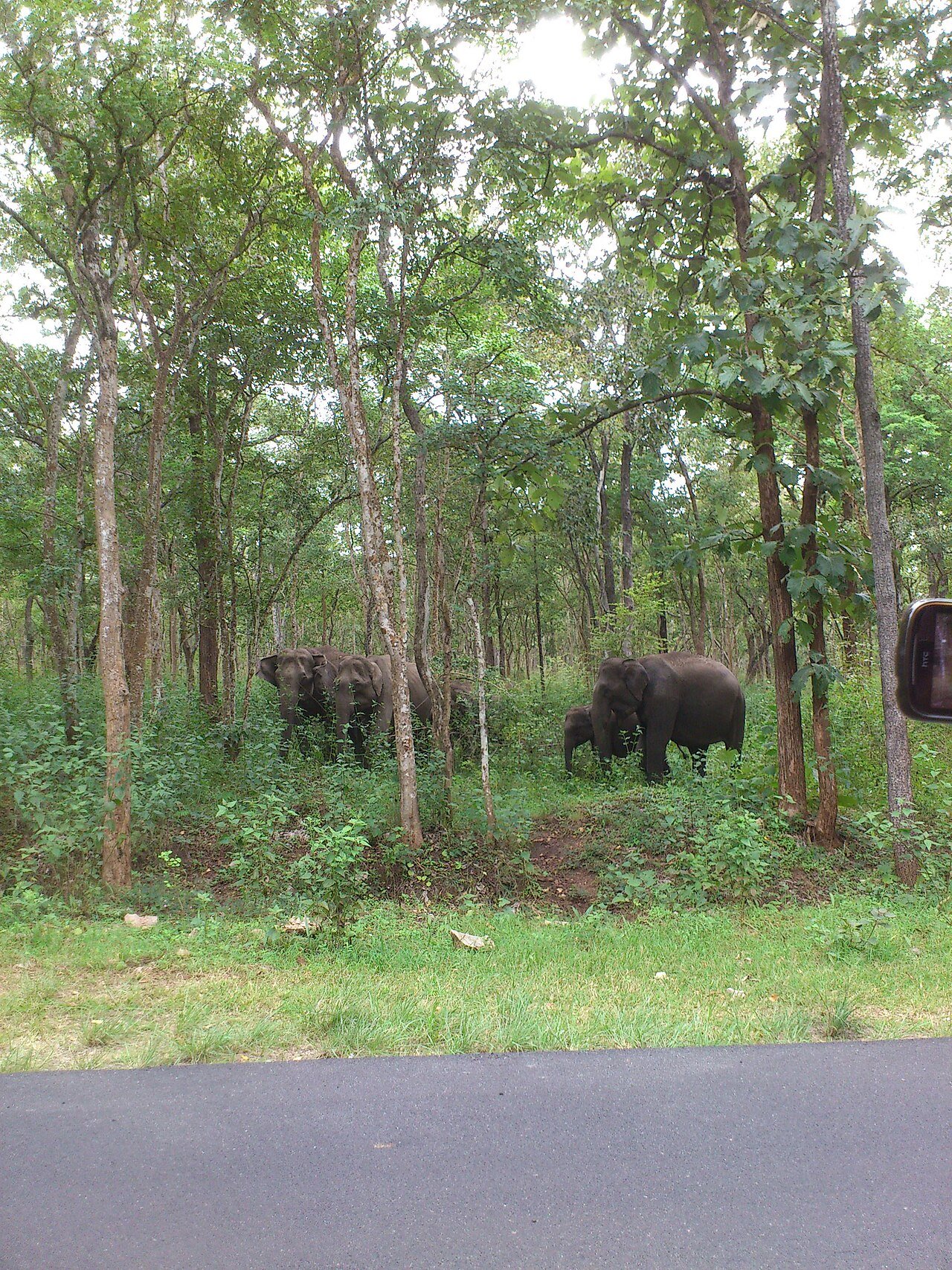
Yes. Wayanad has wildlife sanctuaries where jeep safaris offer chances to spot elephants, deer, gaur and, with luck, big cats, while Coorg’s Dubare camp lets you interact with elephants by the river. Book safaris in advance, go early for the best sightings, use authorised guides, and keep a respectful distance from all wildlife.
The bottom line
A Coorg and Wayanad itinerary is the green heart of the Western Ghats in one refreshing trip — misty coffee plantations, tumbling waterfalls, the Dubare elephants, the ancient Edakkal Caves, Wayanad’s wildlife and the Chembra Peak trek. Travel by road, combine the two districts to avoid backtracking, stay on working plantations, and visit between October and March for the best weather and full falls. Use experienced drivers, book safaris ahead, and pack layers, and this cool, scenic getaway will reward nature-loving travellers with a perfect green escape.
Related reading
 Resort vs Hotel for Family Trips: Which Is Better? (2026)
 Self-Drive Car Rentals in India: A Complete Guide (2026)
 Ooty Itinerary 2 Days: Nilgiri Hill Station Plan (2026)
Photos sourced from Wikimedia Commons under their respective Creative Commons licences. Travel details are indicative for 2026; confirm road, weather and safari conditions before you travel.