Madurai Travel Guide 2026 — Meenakshi Temple, Best Time, Food & 2-Day Plan
Last updated: July 8, 2026
Madurai is one of the oldest continuously inhabited cities on earth, a Tamil temple town that has been welcoming pilgrims, poets and traders for well over two thousand years. Sometimes called the “Athens of the East,” it grew up around the spectacular Meenakshi Amman Temple, whose tower-gates rise like painted mountains above a maze of bazaars, flower markets and meal halls. To visit Madurai is to step into living tradition — temple bells at dawn, the scent of jasmine on every corner, and a food culture that locals will argue is the best in Tamil Nadu.
This 2026 guide for Indian travellers covers how to reach Madurai, the best time to go, what it costs, where to stay, what to eat and how to experience the great temple properly — plus the palaces, museums and day trips that make the city more than a one-temple stop.
- Getting there: Madurai has its own airport (IXM) and is a major railway junction, so it is easy to reach from across India.
- Best time: October to March, when the city is cooler and most comfortable for temple-hopping.
- Budget: ₹2,000–4,500 per day for a comfortable trip; the city is very affordable.
- Don’t miss: The Meenakshi Temple by day and the evening procession ritual, plus jigarthanda and a Madurai meal.
Part 1 of 8
Why Madurai should be on your list
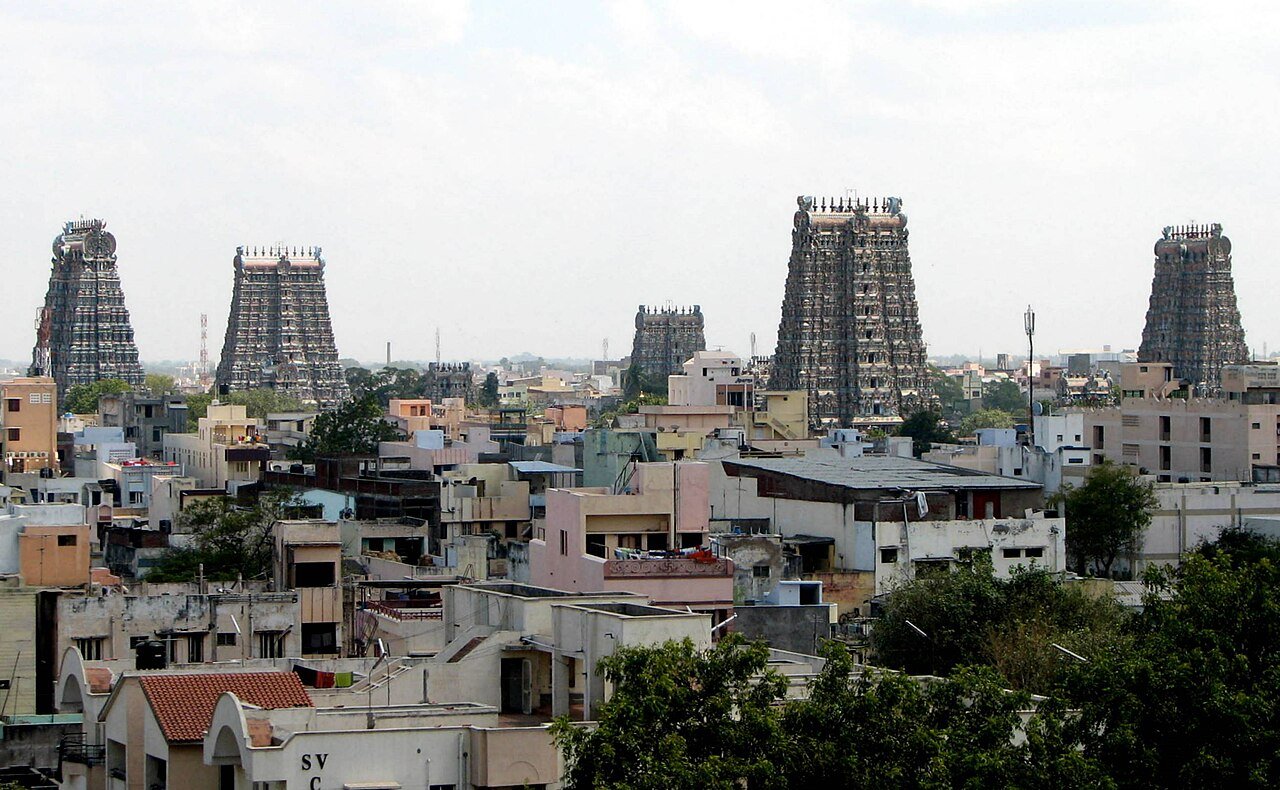
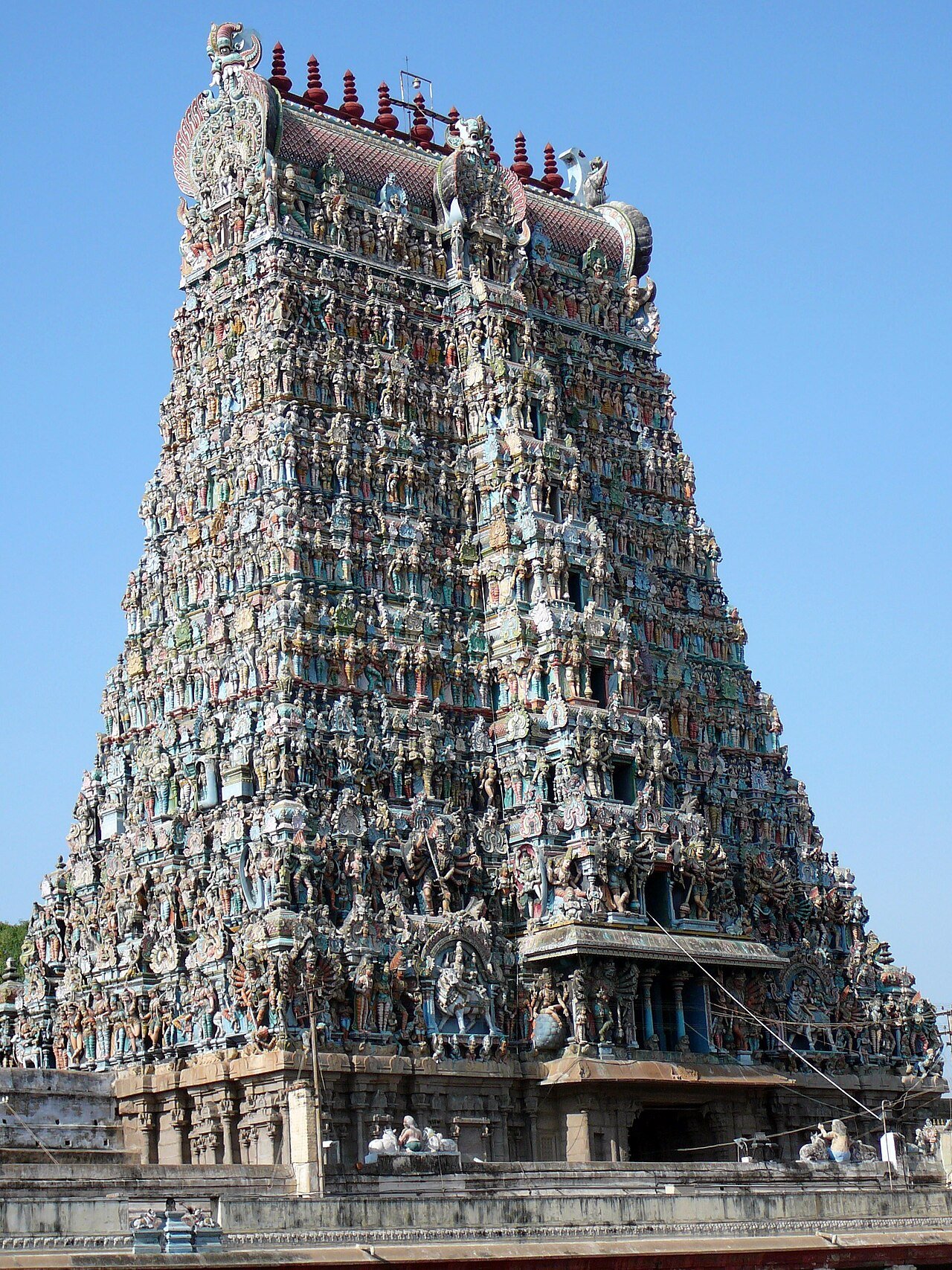
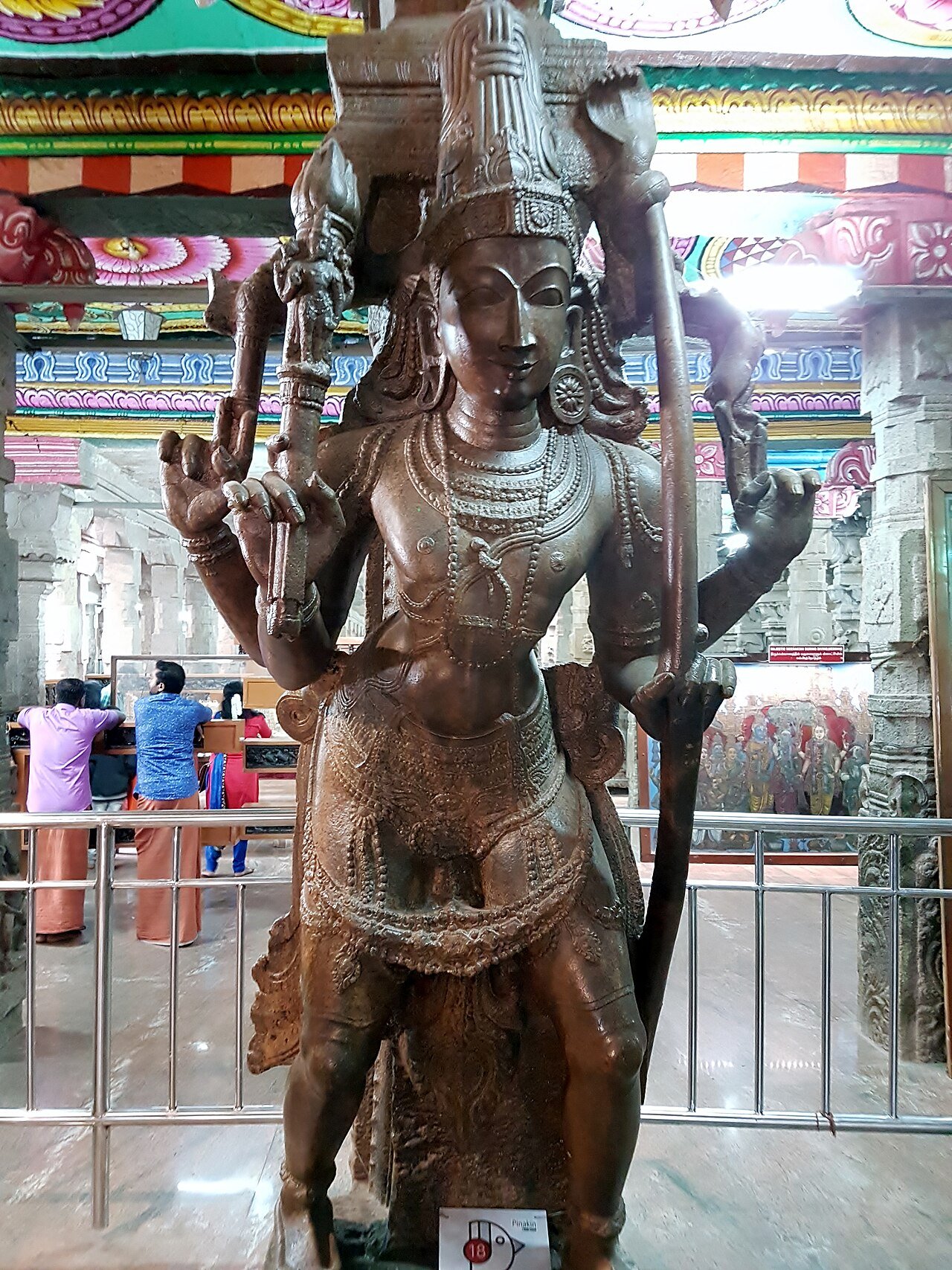
Many Indian cities have a famous temple; Madurai is built around one. The Meenakshi Amman complex is not a single shrine but a vast walled temple-city with thousand-pillar halls, sacred tanks and fourteen soaring gopurams encrusted with thousands of brightly painted figures. Around it spreads an old city that still works the way it has for centuries, and a food scene that turns a simple dinner into a highlight.
Meenakshi Temple
A riot of colour and carving dedicated to the goddess Meenakshi and Lord Sundareshwarar.
Evening ritual
The nightly procession that carries Sundareshwarar to Meenakshi’s chamber — a moving, atmospheric experience.
Nayak Palace
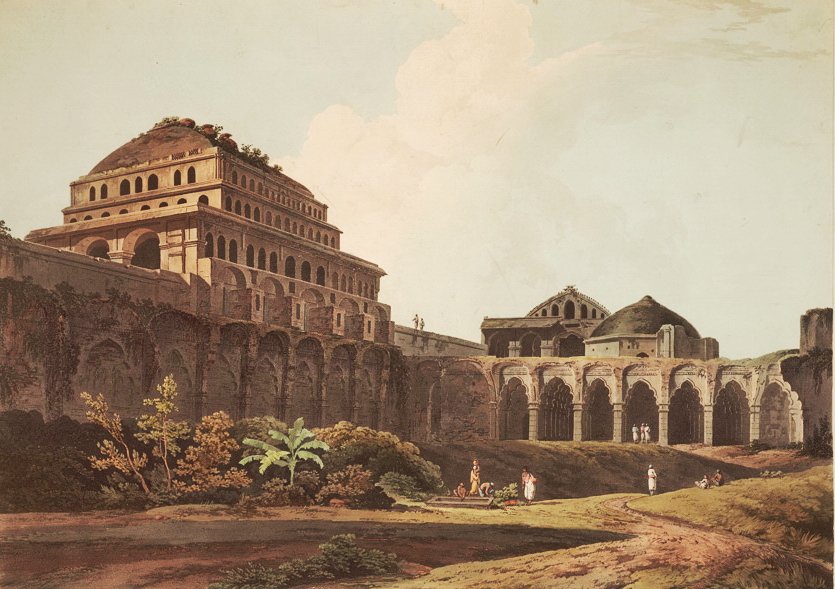
Thirumalai Nayak’s 17th-century palace, with its grand colonnaded courtyard and sound-and-light show.
Gandhi Museum
A thoughtful memorial museum housing the dhoti Mahatma Gandhi wore when he was assassinated.
Samanar Hills
Ancient Jain rock-cut beds and carvings just outside the city, great at sunset.
Food & jasmine
Madurai malli jasmine, jigarthanda and legendary kari dosai and mutton dishes.
Compact, walkable and intensely atmospheric, Madurai rewards travellers who slow down enough to watch the rituals, wander the bazaars and eat their way through the night markets.
Madurai never feels like a museum-piece — it is a temple city still fully alive, where worship, commerce and feasting happen shoulder to shoulder.
Part 2 of 8
Getting to Madurai and getting around
As a major regional hub, Madurai is one of the more convenient temple cities to reach, with its own airport and excellent rail links.
By air: Madurai Airport (IXM) has direct flights to Chennai, Bengaluru, Hyderabad, Mumbai, Delhi and some international routes. It is about 12 km from the city centre, a short taxi ride away.
By train: Madurai Junction is one of Tamil Nadu’s busiest stations, with frequent trains from Chennai, Coimbatore, Bengaluru and beyond. The station is centrally located, walking distance from many hotels.
By road: State and private buses connect Madurai with every major town in the south, and the highways are good if you prefer to drive or hire a car.
Pro tip
Stay near the temple in the old city. Being able to walk to the Meenakshi complex for both an early-morning and an evening visit is the single best way to experience Madurai.
Getting around: The old city around the temple is best explored on foot, with autos and app cabs for the palace, museum and outlying sights. Agree on auto fares in advance or insist on the meter.
Part 3 of 8
Best time to visit Madurai
Madurai sits inland in the dry south of Tamil Nadu, so heat is the main consideration. The cooler months from October to March are by far the most comfortable.
| Season | Months | What to expect |
|---|---|---|
| Winter | Oct–Mar | The best window — warm days, cooler evenings and pleasant temple-hopping. Peak season. |
| Summer | Apr–Jun | Very hot, often 38–40°C. Sightseeing is tiring; plan temple visits for early morning and after sunset. |
| Monsoon | Jul–Sep | Hot with sporadic showers and fewer crowds. |
| NE monsoon | Oct–Nov | Some rain but generally manageable; the city stays green and lively. |
If your dates are flexible and you enjoy festivals, the Chithirai festival (usually April–May) stages the spectacular celestial wedding of Meenakshi and draws enormous crowds. It is unforgettable, but book accommodation far in advance and be ready for intense heat and congestion.
Part 4 of 8
Costs and budgeting for Indians
Madurai is one of the most affordable major destinations in South India. Here is a realistic per-person, per-day picture for 2026.
| Style | Daily budget | What it covers |
|---|---|---|
| Backpacker | ₹1,200–2,000 | Budget lodge near the temple, local buses and autos, meals at mess halls and street stalls. |
| Mid-range | ₹2,500–4,500 | Comfortable hotel, autos and the odd cab, guided temple visit and good restaurant meals. |
| Premium | ₹6,000+ | Heritage or business hotel, private car, guide and fine South Indian dining. |
Entry to the Meenakshi Temple is free, though there are small charges for the camera, the temple museum and special darshan queues. Most of your spending will go on accommodation and food — and in Madurai, eating well costs very little. A licensed guide for the temple is inexpensive and helps you read its endless symbolism.
Good to know
Mobile phones and cameras are restricted inside the inner temple. There are paid cloakrooms and footwear stands at the entrances — carry a little cash for these and for the bazaars.
Part 5 of 8
Where to stay, what to eat and top experiences
Where to stay: The old city around the temple has the most budget and mid-range lodges and the best atmosphere, putting you steps from the action. For more comfort and quiet, the newer areas and the road towards the airport have business hotels with pools.
What to eat: This is where Madurai shines. Cool off with a jigarthanda (a milky, almond-gum dessert-drink), feast on kari dosai and Madurai-style mutton chukka, and try idiyappam and paruthi paal. The night-time food streets near the temple come alive after dark and are an experience in themselves.
Dawn darshan
Visit the temple early to feel its calm before the crowds and the heat build up.
Night procession
Return for the evening ritual that carries the deity to the goddess’s shrine.
Jigarthanda crawl
Sample the city’s signature cooler from a couple of the famous old shops.
Flower market
Wander the fragrant Madurai jasmine and flower bazaars in the early morning.
For a half-day escape, head out to Azhagar Kovil and Pazhamudirchola in the hills, or to Samanar Hills for Jain rock carvings and a fine sunset over the plains.
Part 6 of 8
A 2-day Madurai itinerary
Two days lets you experience the great temple at its best — twice — while fitting in the palace, museum and a taste of the food scene.
Day 1 — The temple and the old city: Start with an early-morning visit to the Meenakshi Temple while it is cool and quiet, then explore the surrounding bazaars and the flower market. After a rest through the midday heat, see the Gandhi Memorial Museum, then return to the temple in the evening for the procession ritual and dinner on the food streets.
Day 2 — Palace, hills and flavours: Visit Thirumalai Nayak Palace in the morning, followed by a jigarthanda stop and lunch. In the afternoon, drive out to Samanar Hills or Azhagar Kovil for carvings, greenery and a sunset away from the city bustle.
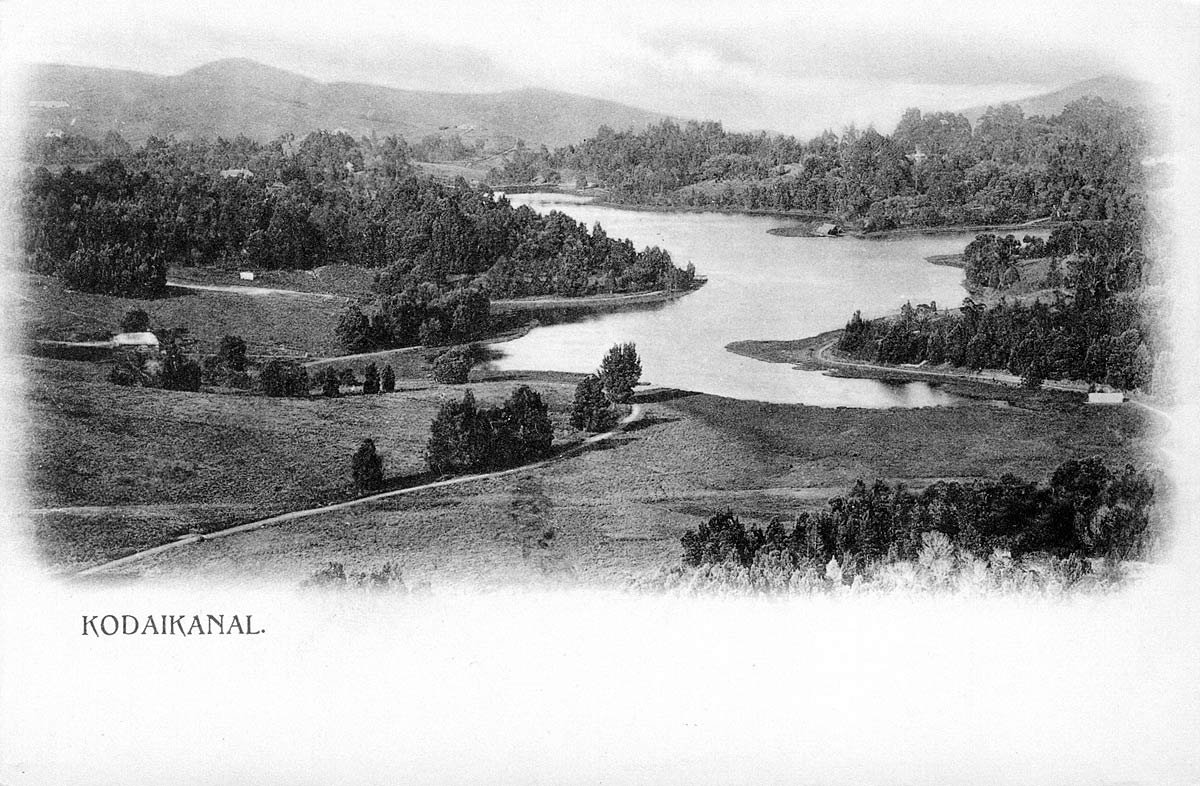
Extend your trip: Madurai is the gateway to the deep south. Add Rameswaram for its island temple and causeway, Kanyakumari for the meeting of three seas, or cool off uphill in Kodaikanal — each is within a few hours by road or rail.
Pro tip
The evening temple ritual usually takes place around 9pm and is quieter and more intimate than the daytime rush. Check the day’s timing locally, as it can shift with the temple calendar.
Part 7 of 8
Practical tips for Indian travellers
A temple-centred trip runs more smoothly with a little etiquette and planning, especially around the Meenakshi complex where rules are taken seriously.
Dress modestly
Cover shoulders and knees for temple visits; some sanctums expect traditional dress.
Footwear & phones
You will remove shoes at the temple and deposit phones and cameras — use the paid stands.
Beat the heat
Carry water, plan sightseeing for morning and evening, and rest through midday.
Carry some cash
UPI and cards work in hotels and restaurants, but stalls, autos and cloakrooms prefer notes.
Madurai is a friendly, walkable and generally safe city, including for solo and women travellers, though the lanes around the temple get crowded and you should keep an eye on belongings. Touts offering “temple views” from rooftop shops are common — a rooftop café can give a lovely perspective of the gopurams, but you are never obliged to buy anything.
The city’s central position makes it an ideal base for exploring southern Tamil Nadu. With good trains and roads radiating out to Rameswaram, Kanyakumari, Kodaikanal and Chettinad, you can easily build Madurai into a week-long southern circuit that blends temples, coast, hills and the region’s remarkable cuisine.
Part 8 of 8
Frequently asked questions
How many days do I need in Madurai?
Two days is ideal — one to experience the Meenakshi Temple in the morning and evening plus the old city, and a second for the palace, museum, food and a short trip to the surrounding hills or Jain caves.
Is there an entry fee for the Meenakshi Temple?
General entry and darshan are free. There are small charges for camera permits, the temple art museum and special faster darshan queues, so carry a little cash.
Can I take photos inside the temple?
Photography is restricted in the inner areas, and phones and cameras must usually be deposited at the entrance. You can photograph the towering gopurams from outside and from nearby rooftops.
What food is Madurai famous for?
Madurai is a food-lover’s city, known for jigarthanda, kari dosai, idiyappam and rich Madurai-style mutton dishes, best enjoyed at the night-time food streets near the temple.
Is Madurai safe for solo and women travellers?
Yes, it is generally safe and welcoming. Dress modestly for temples, keep valuables secure in crowded lanes, and use registered autos or app cabs after dark.
What can I combine with a Madurai trip?
Madurai pairs naturally with Rameswaram, Kanyakumari, Kodaikanal and the Chettinad region — all reachable in a few hours, making a varied southern Tamil Nadu loop.
When is the Chithirai festival and is it worth planning around?
The Chithirai festival usually falls in April–May and re-enacts the celestial wedding of Meenakshi with grand processions. It is a spectacular cultural experience, but it brings huge crowds and peak summer heat, so book accommodation months ahead and prepare for congestion if you time your trip to it.
How is Madurai connected to other southern destinations?
Very well. Frequent trains and buses link Madurai to Rameswaram, Kanyakumari, Tiruchirappalli, Coimbatore and Bengaluru, while Kodaikanal is a few hours uphill by road. Its central position makes it an ideal base for a longer southern Tamil Nadu circuit.
The bottom line
Madurai is the beating heart of Tamil temple culture — a city where a single, astonishing temple anchors centuries of ritual, art and food. Give it two unhurried days, see the Meenakshi complex both at dawn and after dark, eat boldly, and use the city as a springboard to the deep south. Come in the cooler months, respect the temple’s customs, and you will leave with a richer sense of Tamil Nadu than almost any other destination can offer. Few Indian cities pack so much living history, devotion and flavour into such a walkable space — which is exactly why Madurai stays with travellers long after they leave.
Related reading
 Tamil Nadu Temple Trail 7-Day Itinerary 2026 — Madurai, Thanjavur, Trichy, Kanchipuram & Rameswaram
 Ooty Itinerary 2 Days: Nilgiri Hill Station Plan (2026)
 Ooty Kodaikanal Itinerary: 5-Day Hill Station Trip (2026)
Photos sourced from Wikimedia Commons under their respective Creative Commons licences. Travel details are indicative for 2026; confirm timings, fees and temple rituals locally before you travel.