Budget Singapore Trip from India 2026 — Costs, Savings & Sample Budget
Last updated: July 8, 2026
Singapore has a reputation for being expensive — but with the right approach, this dazzling city-state makes a brilliant budget trip from India. Free attractions, cheap and incredible hawker food, an efficient and affordable metro, and plenty of low-cost flights mean you can enjoy the Marina Bay skyline, Gardens by the Bay and multicultural neighbourhoods without breaking the bank. It is clean, safe, easy and packed with experiences — perfect for first-time international travellers.
This 2026 budget guide for Indian travellers shows how to do Singapore affordably — free and cheap attractions, hawker food, getting around, where to stay and a sample budget itinerary.
- Visa: Indians need a visa for Singapore — apply for the e-visa via an authorised agent before travel.
- Budget hack: Eat at hawker centres, use the MRT, and enjoy the many free attractions.
- Getting there: Frequent, often cheap flights from many Indian cities to Changi Airport.
- Don’t miss: Gardens by the Bay, Marina Bay, the free light shows, and Little India and Chinatown.
Part 1 of 8
Why Singapore works on a budget
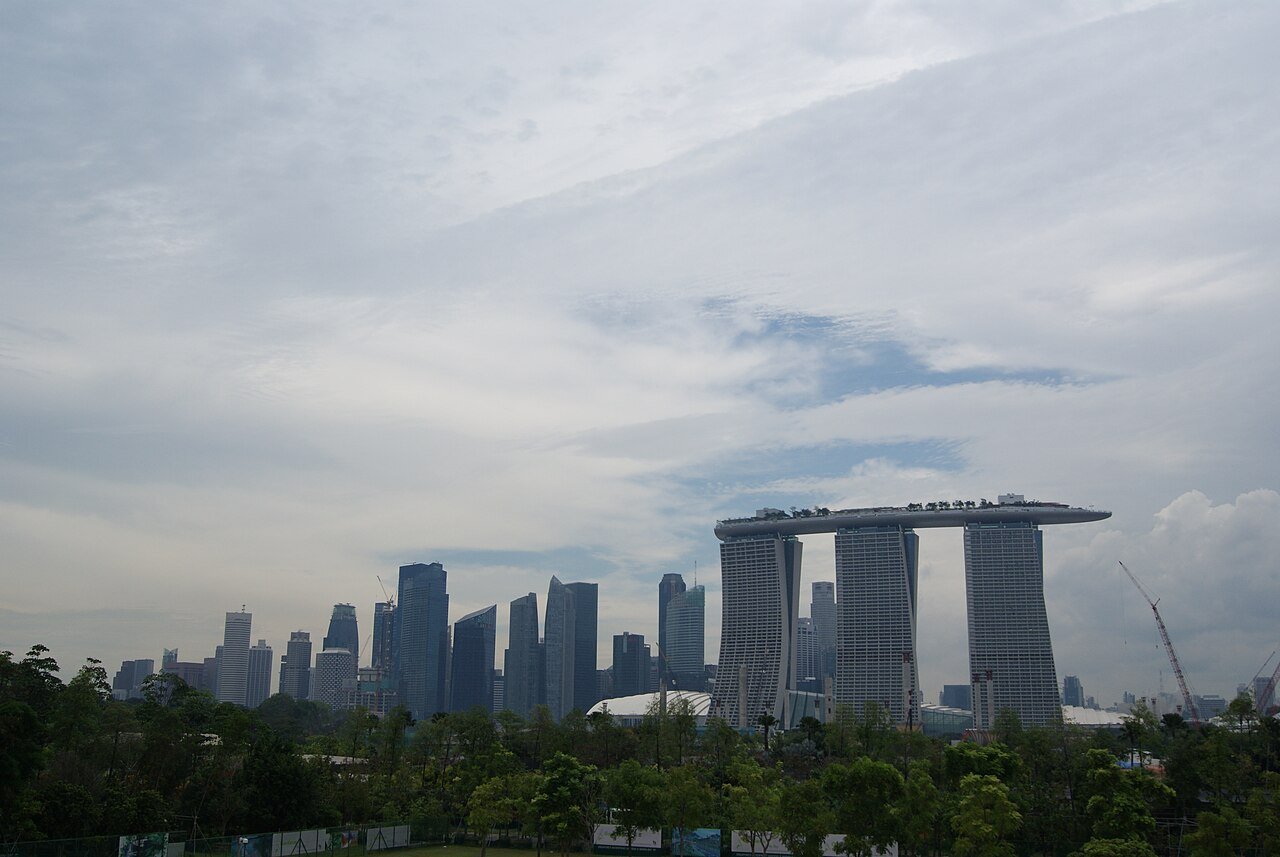
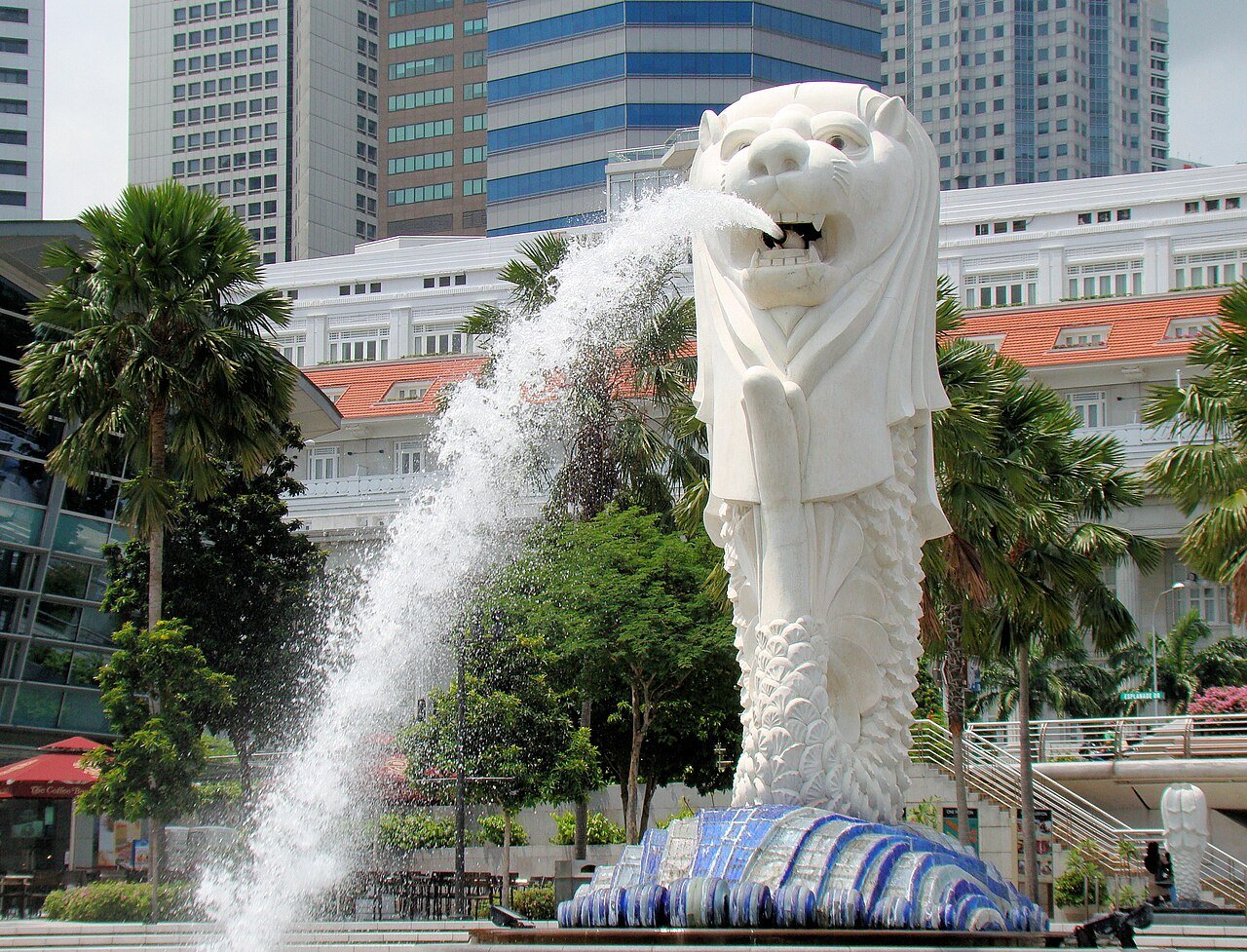
Singapore is surprisingly budget-friendly once you know how. Many of its best experiences are free — the Supertree light show at Gardens by the Bay, the Marina Bay Sands light-and-water show, strolling the waterfront and Merlion, and exploring vibrant Little India, Chinatown and Kampong Glam. Add world-famous hawker food for a few dollars a meal and one of the world’s best metro systems, and the costs come right down.
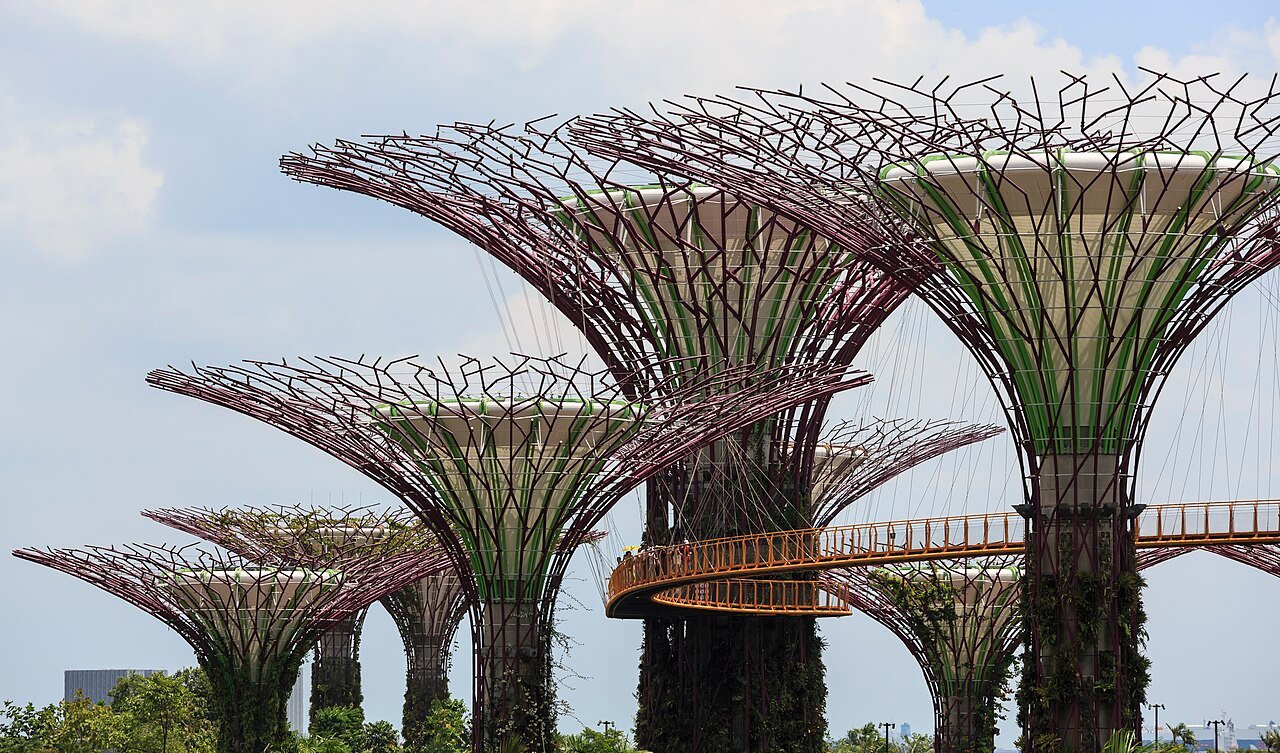
Gardens by the Bay
Free outdoor gardens and the nightly Supertree show.
Marina Bay
Skyline, the Merlion and free Spectra light show.
Hawker food
Michelin-level meals for a few dollars.
Cultural quarters
Little India, Chinatown and Kampong Glam.
Cheap MRT
Fast, affordable metro across the whole city.
Free sights
Waterfront walks, parks and viewpoints cost nothing.
You can splurge on Universal Studios or the S.E.A. Aquarium if you wish, but a fantastic Singapore trip is very doable on free attractions, cheap eats and smart transport.
Singapore on a budget is all about free sights and hawker food — a world-class city you can enjoy for far less than you’d think.
Part 2 of 8
Visa, flights and getting around cheaply
Singapore is well connected to India and very easy to get around affordably.
Visa: Indian passport holders need a visa for Singapore, applied for as an e-visa through an authorised agent or airline before travel. It is usually quick and inexpensive; apply in advance with your documents and confirm current requirements.
Flights: Many Indian cities have frequent flights to Singapore’s Changi Airport, including low-cost carriers. Booking early or during sales lands cheap fares, and the short flight times keep things easy.
Getting around: The MRT metro is fast, cheap and covers all the major sights — buy an EZ-Link/tourist card or use contactless payment. Changi to the city is a quick, inexpensive MRT ride. Walking between nearby attractions is easy and free.
Pro tip
Skip taxis and use the MRT for almost everything — it is cheap, air-conditioned and efficient. From Changi, take the MRT instead of a cab to save significantly on your very first expense.
Money saver: Singapore is compact, so cluster attractions by area and walk where you can. Many top experiences are free, so build your days around those and pick one or two paid attractions if budget allows.
Part 3 of 8
Best time for a budget Singapore trip
Singapore is hot and humid year-round with no real seasons, so timing is mostly about rain, events and prices.
| Period | What to expect |
|---|---|
| Feb–Apr | Slightly drier and among the more pleasant months to visit. |
| May–Jul | Hot and humid; the Great Singapore Sale period can mean shopping deals. |
| Sep–Oct | Events like the F1 night race (pricier hotels) but generally good. |
| Nov–Jan | Wetter monsoon months; festive season and year-end can be busy and dearer. |
You can visit Singapore any time, as it is warm throughout. For budget travel, avoid major events like the F1 race and the December festive peak, when hotel prices spike. The wetter months bring short, heavy showers rather than all-day rain, so they remain workable. Always carry an umbrella and stay hydrated.
Part 4 of 8
What a budget Singapore trip costs
Accommodation is the main expense in Singapore, but hostels and hawker food keep budgets in check. Here is a realistic per-person, per-day guide for 2026, excluding international flights.
| Style | Daily budget | What it covers |
|---|---|---|
| Shoestring | $40–65 | Hostel dorm, hawker meals, MRT, free attractions. |
| Comfortable budget | $80–130 | Budget hotel/private hostel room, mix of meals, one paid attraction. |
| Mid-range | $160–230 | 3-star hotel, more dining out and attractions like Universal Studios. |
Hawker centres are the budget traveller’s best friend — delicious meals for just a few Singapore dollars. The MRT is cheap, and free attractions keep activity costs low. The big variables are your room (book hostels or budget hotels early) and any paid attractions. Tap water is safe to drink, saving on bottled water, and there is no tipping culture.
Good to know
Singapore is one of the world’s safest, cleanest cities. Note its strict laws and fines (no littering, jaywalking, eating/drinking on the MRT, chewing gum import, etc.), so follow the rules. It is very welcoming and easy for solo and family travellers alike.
Part 5 of 8
Where to stay, what to eat and free things to do
Where to stay: For budgets, look at hostels and budget hotels in Little India, Chinatown, Bugis or Geylang, all near MRT stations. These areas are affordable, central, full of cheap food and well connected, making them ideal bases.
What to eat: Singapore’s hawker centres (Maxwell, Lau Pa Sat, Old Airport Road, Tekka in Little India) serve incredible, cheap food — Hainanese chicken rice, laksa, char kway teow, roti prata, biryani and more. Vegetarian and Indian options are plentiful, especially in Little India, so Indian travellers eat very well and very cheaply.
Supertree light show
Free nightly spectacle at Gardens by the Bay.
Spectra show
Free light-and-water show at Marina Bay Sands.
Little India & Chinatown
Free to wander, full of colour and cheap food.
Waterfront walk
Merlion, Helix Bridge and skyline views for free.
For paid highlights if budget allows, consider the Gardens’ cooled domes, the SkyPark observation deck, Sentosa’s beaches, or Universal Studios. But the free shows, neighbourhoods and waterfront alone make for full, memorable days.
Part 6 of 8
A sample 3-4 day budget Singapore itinerary
This plan maximises free and cheap experiences across the city.
Day 1 — Marina Bay & Gardens: Explore the waterfront, the Merlion and Marina Bay, then Gardens by the Bay’s outdoor areas, ending with the free Supertree and Spectra light shows.
Day 2 — Cultural quarters: Wander Chinatown, Little India and Kampong Glam, eating at hawker centres and visiting temples and street markets — almost all free.
Day 3 — Sentosa or attractions: Head to Sentosa for the beaches (free/cheap) or splurge on Universal Studios, or visit Orchard Road and the parks.
Day 4 — Your choice: A free nature spot like the Botanic Gardens or Southern Ridges, more hawker food, and last-minute shopping at Bugis before departing.
Pro tip
Plan your evenings around the free light shows at Gardens by the Bay and Marina Bay Sands — they’re among the best things to do in Singapore and cost nothing. Eat lunch and dinner at hawker centres to keep food costs tiny.
Part 7 of 8
Budget tips for Singapore
A few smart habits keep a Singapore trip genuinely affordable.
Eat at hawkers
Amazing meals for a few dollars — the top money saver.
Use the MRT
Cheap, fast transport; skip taxis.
Prioritise free sights
Light shows, neighbourhoods and waterfront cost nothing.
Book hostels early
Accommodation is the main cost — reserve ahead.
Singapore rewards budget-savvy travellers. Build your trip around the many free attractions — the light shows, waterfront, parks and cultural quarters — eat at hawker centres for cheap, world-class food, and use the MRT for everything. Book hostels or budget hotels early, as rooms are the biggest expense, and drink the safe tap water to save more.
Follow Singapore’s strict rules to avoid fines (no littering, jaywalking or eating on the MRT, and don’t bring chewing gum), and carry an umbrella for sudden showers. With excellent Indian and vegetarian food in Little India, English widely spoken, and a famously safe, clean environment, Singapore is one of the easiest and most rewarding first international trips for Indians — and far more affordable than its reputation suggests.
Part 8 of 8
Frequently asked questions
Is Singapore really doable on a budget?
Yes. By eating at hawker centres, using the MRT, staying in hostels or budget hotels, and enjoying the many free attractions like the light shows, waterfront and cultural quarters, Singapore becomes very affordable. With cheap flights from India, it is a great-value first international trip.
Do Indians need a visa for Singapore?
Yes. Indian passport holders need a visa, applied for as an e-visa through an authorised agent or airline before travel. It is usually quick and inexpensive. Apply in advance with your documents, and always confirm the latest requirements before booking.
What is the cheapest way to get around Singapore?
The MRT metro is fast, cheap, air-conditioned and covers all the major sights, including a quick, inexpensive ride from Changi Airport to the city. Use an EZ-Link/tourist card or contactless payment, and walk between nearby attractions to save even more.
How much does a budget Singapore trip cost per day?
Excluding flights, shoestring travellers manage on roughly $40–65 a day, a comfortable budget on $80–130, and mid-range on $160–230. Accommodation is the main expense, while hawker food and the MRT are cheap and many top attractions are free.
Where should I eat cheaply in Singapore?
Hawker centres are the answer — Maxwell, Lau Pa Sat, Old Airport Road and Tekka in Little India serve delicious meals for just a few dollars. Little India is especially great for affordable Indian and vegetarian food, so Indian travellers eat very well on a budget.
What are the best free things to do in Singapore?
The nightly Supertree light show at Gardens by the Bay and the Spectra light-and-water show at Marina Bay Sands are free highlights, along with the waterfront, Merlion, and exploring Little India, Chinatown and Kampong Glam. The Botanic Gardens and Southern Ridges are also free.
When is the cheapest time to visit Singapore?
Avoid major events like the F1 night race in September and the December festive peak, when hotel prices spike. Singapore is warm year-round, so the wetter monsoon months can offer lower prices, with rain usually coming in short, heavy bursts rather than all day.
Is Singapore good for first-time international travellers?
Excellent. It is one of the safest, cleanest and easiest cities in the world, with English widely spoken, a simple metro, plentiful Indian food and lots of free attractions. Just follow its strict rules and fines, and it makes a stress-free first trip abroad.
Can I combine Singapore with Malaysia on a budget?
Yes, and many travellers do. Singapore is well connected to Malaysia by cheap buses and trains across the causeway to Johor Bahru, and budget flights reach Kuala Lumpur in under an hour. Combining the two lets you split costs across cities and see more of Southeast Asia in one affordable trip.
Is Singapore family-friendly on a budget?
Very much so. The free light shows, waterfront, parks and beaches at Sentosa keep kids entertained for little, hawker centres make eating out cheap, and the MRT is easy with children. You can add one paid highlight like Universal Studios or the aquarium if budget allows, while keeping most days low-cost.
The bottom line
Singapore’s pricey reputation hides a brilliant budget destination. Build your days around the free light shows, waterfront and vibrant cultural quarters, eat your way through hawker centres for a few dollars a meal, and zip around on the cheap, efficient MRT. Sort your e-visa, book a hostel early, and travel outside the big events, and you’ll enjoy one of the world’s great cities — clean, safe and packed with experiences — for far less than you’d expect. For Indian travellers, especially first-timers, budget Singapore is hard to beat.
Related reading
 Andaman Honeymoon Itinerary: 6 Romantic Days (2026)
 Maldives 5-Day Budget Itinerary 2026 — Local Islands, Sandbanks & Snorkelling
 South Korea Travel Guide for Indians (2026)
Photos sourced from Wikimedia Commons under their respective Creative Commons licences. Visa, flight and cost details are indicative for 2026; confirm current visa rules, fares and prices before you travel.