Maldives Travel Guide for Indians 2026 — Free Visa, Cost, Best Time & Tips
Last updated: July 8, 2026
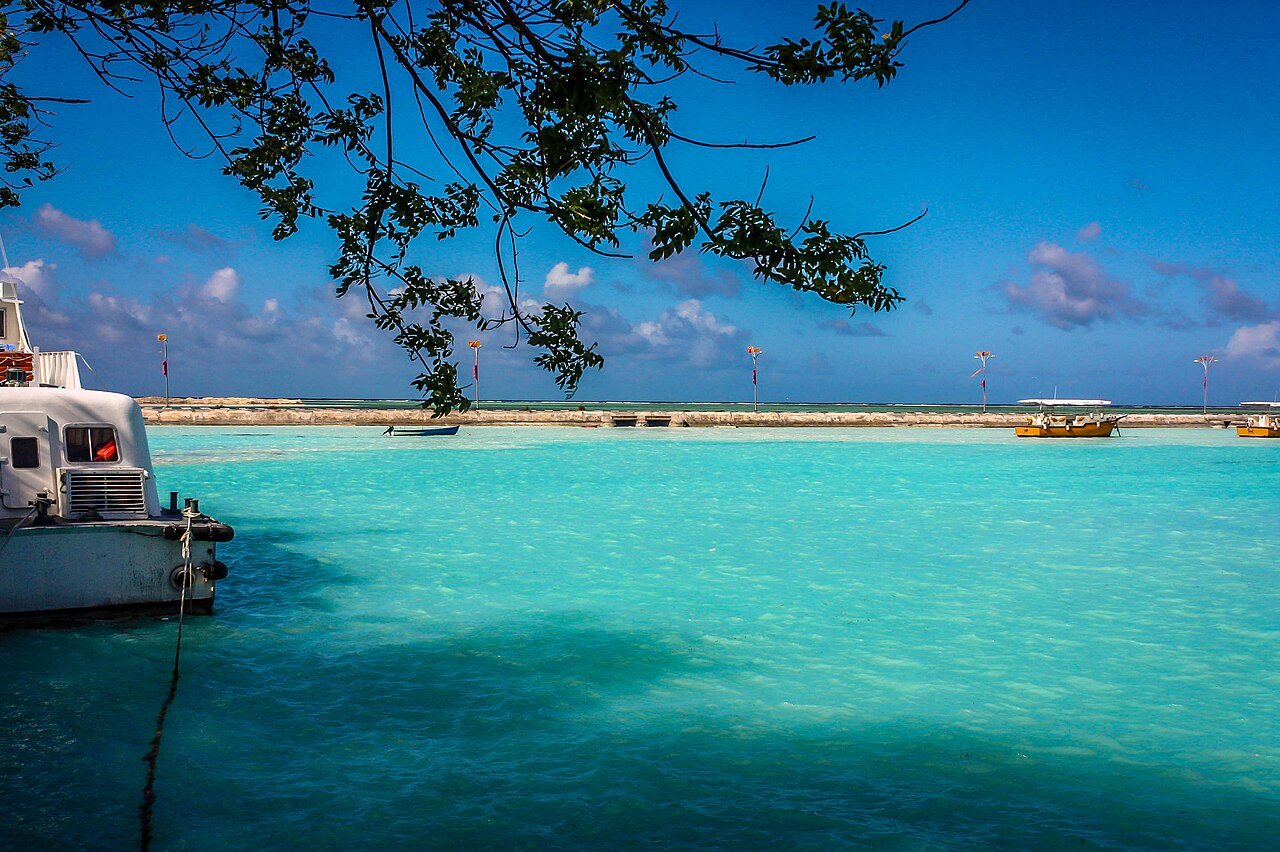
The Maldives is the dream honeymoon and beach escape for Indian travellers — a scattering of over a thousand coral islands just a short flight away, ringed by turquoise lagoons, powder-white beaches and vibrant reefs. Famous for its luxurious overwater villas, it now also welcomes budget travellers and families to its local islands. With a free visa-on-arrival, short direct flights and a warm welcome, the Maldives is one of the easiest and most magical international trips Indians can take. This guide helps you plan the perfect Maldives holiday.
This 2026 guide for Indian travellers covers visas and flights, the best time to go, costs, resort vs local island, what to do and how to plan a Maldives trip.
- Visa: Free visa-on-arrival for Indians (30 days) — just a passport, return ticket and accommodation booking.
- Getting there: Short, often direct flights from major Indian cities to Malé.
- Resort or local island: Resorts for luxury and honeymoons; local islands (e.g. Maafushi) for budget and families.
- Best time: November to April (dry season) for the best weather and water clarity.
Part 1 of 8
Why the Maldives is perfect for Indian travellers
The Maldives is wonderfully easy and rewarding for Indian visitors — a free visa-on-arrival, short flights of just a few hours, and a tropical paradise that suits honeymooners, families and friends alike. Stay in an iconic overwater villa, snorkel or dive over kaleidoscopic reefs, picnic on a deserted sandbank, watch dolphins at sunset, and unwind on powder-soft beaches. With both luxury resorts and affordable local-island guesthouses, plus familiar South Asian flavours, it offers paradise for every budget.
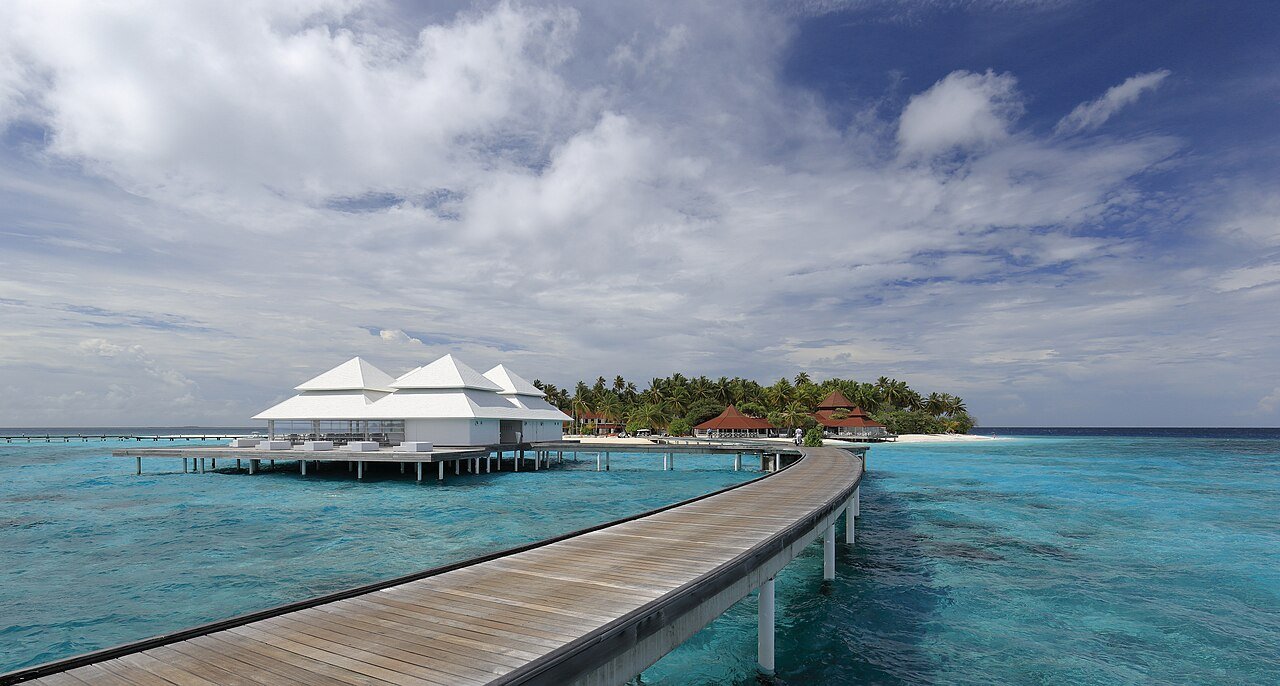
Overwater villas
Iconic honeymoon stays above the lagoon.
Snorkel & dive
Reefs, turtles, rays and clear water.
White-sand beaches
Powder-soft sand and turquoise lagoons.
Sandbanks & cruises
Boat trips to sandbars and dolphin spots.
Honeymoons
Romance, spa and seclusion.
Family & budget
Local islands like Maafushi for value.
Whether you splurge on a resort honeymoon or go affordable on a local island with family, the Maldives delivers a slice of barefoot paradise, made easy for Indian travellers by short flights and a free visa-on-arrival.
The Maldives is barefoot paradise made easy for Indians — overwater villas and rainbow reefs, a free visa and short flights away.
Part 2 of 8
Visas and getting to the Maldives
The Maldives is one of the easiest international destinations for Indians.
Visa: Indian passport holders receive a free visa-on-arrival for 30 days. You need a passport valid for at least six months, a return ticket and confirmed accommodation. No advance visa or fee is required, though always confirm current rules before travel.
By air: Direct flights from cities like Bengaluru, Mumbai, Delhi and Kochi reach Velana International Airport (Malé) in a few hours, with competitive fares, especially in sales.
Pro tip
Decide resort vs local island before booking, as it shapes your budget and transfers. Resorts use speedboat or seaplane transfers (factor cost and timing), while local islands like Maafushi are reached cheaply by public ferry or shared speedboat.
Getting around: From Malé, reach your island by speedboat, seaplane (for distant resorts) or public ferry/shared speedboat (for local islands). Within islands you walk; excursions are by boat. Time transfers around seaplane daylight hours and ferry schedules.
Part 3 of 8
Best time to visit the Maldives
The Maldives is warm year-round, but the seasons affect rain, seas and prices.
| Season | Months | What to expect |
|---|---|---|
| Dry/peak | Nov–Apr | The best weather — sunny, calm seas, clear water; ideal for diving. Priciest Dec–Jan. |
| Shoulder | May & Oct | Edges of the seasons with lower prices and decent weather. |
| Wet | May–Oct | More rain and wind but the cheapest rates and fewer crowds; still warm. |
| Marine life | varies | Plankton-rich months boost manta and whale-shark sightings on certain atolls. |
For guaranteed sun, clear water and the best snorkelling, visit during the November–April dry season, with December–January the priciest peak. The wet season (May–October) offers excellent value with often-short showers, and certain months bring superb manta-ray and whale-shark encounters, so divers should check seasonal patterns by atoll.
Part 4 of 8
Costs and budgeting for Indians
The Maldives spans extremes, from budget guesthouses to ultra-luxury resorts. Here is a realistic per-person, per-day guide for 2026, excluding international flights.
| Style | Daily budget | What it covers |
|---|---|---|
| Budget (local island) | $40–80 | Guesthouse, local cafés, public ferry, shared excursions. |
| Mid-range | $150–300 | Lower-end resorts or top guesthouses, excursions, some transfers. |
| Luxury (resort) | $500+ | Overwater villas, full board, seaplane transfers and spa. |
The big choice is resort versus local island: resorts offer all-inclusive luxury and seclusion at a premium (plus pricey transfers), while local islands like Maafushi make the Maldives genuinely affordable for families and budget travellers with guesthouses and shared excursions. Carry some US dollars; cards are accepted at resorts. Note a green tax and service charges, and that resort food and drinks are expensive.
Good to know
The Maldives is safe and tranquil. It is a Muslim country, so on local islands dress modestly away from designated “bikini beaches” and note alcohol is generally only on resorts or floating bars. Follow snorkelling, diving and boat-safety advice and use reputable operators.
Part 5 of 8
Resort vs local island, food and top experiences
Resort vs local island: Choose a private-island resort for overwater villas, all-inclusive dining and seclusion (ideal for honeymoons), or a local island (Maafushi, Dhiffushi, Ukulhas) for affordable guesthouses, bikini beaches and shared excursions (great for families and budgets). Some travellers combine both, or add a resort day pass from a local island.
What to eat: Maldivian cuisine centres on tuna, coconut and rice. Resorts offer lavish international buffets, while local-island cafés are cheap and tasty. Vegetarian options exist but can be limited on local islands, so ask ahead; familiar South Asian flavours are common, and resorts cater to Indian and vegetarian guests.
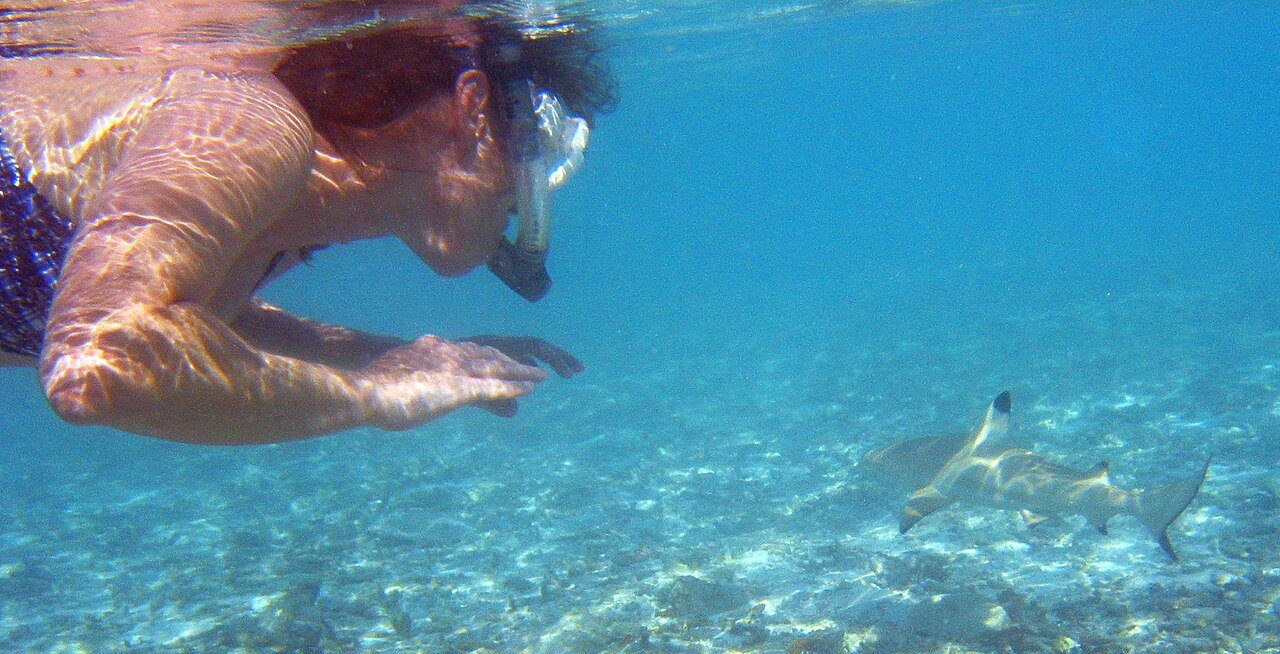
Snorkel & dive
Reefs, turtles, rays and whale sharks.
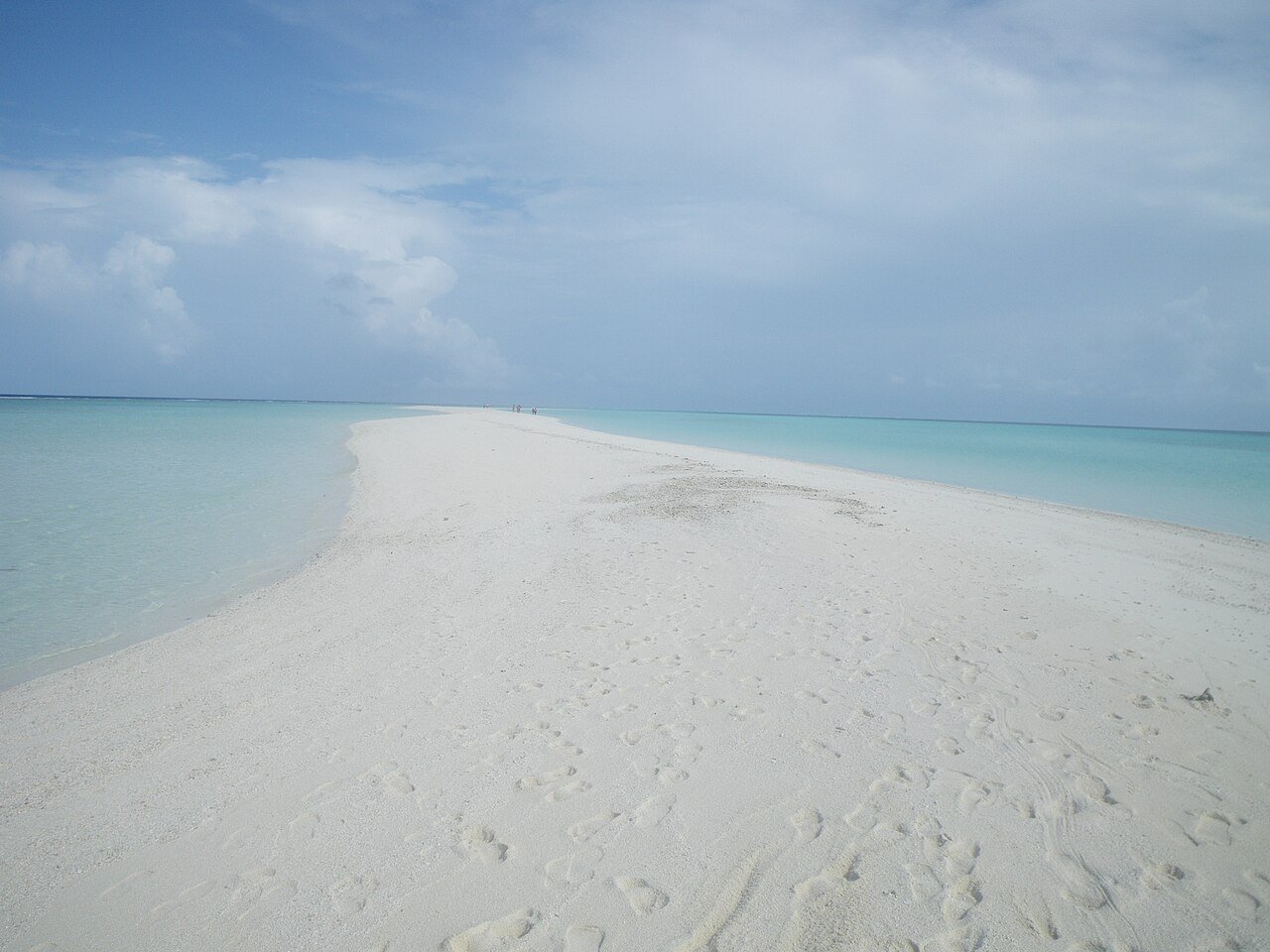
Sandbank trip
Boat to a pristine sandbar.
Dolphin cruise
A magical sunset excursion.
Spa & seclusion
Overwater spas and privacy.
For more, try a resort day pass from a local island, go night fishing, watch the bioluminescent plankton glow, or simply relax on the beach and lagoon.
Part 6 of 8
A sample 4-5 day Maldives plan
Tailor this to a resort honeymoon, a local-island family trip, or a mix.
Day 1 — Arrive & settle: Transfer from Malé to your resort or local island and unwind on the beach or in your villa.
Day 2 — Reefs & sandbank: A snorkelling or diving excursion plus a sandbank visit.
Day 3 — Marine adventures: A dolphin cruise, a manta or whale-shark trip (seasonal), or a resort day pass if on a local island.
Day 4 — Relax & water sports: Spa time, kayaking, a local-island walk, or beach lazing.
Day 5 — Depart: A final beach morning before the transfer back to Malé, timed around schedules.
Pro tip
For honeymoons, book a resort with an overwater villa and sunset dinner; for families, a local island with a resort day pass balances value and luxury. Factor seaplane transfer times into resort arrivals, as they run in daylight only.
Part 7 of 8
Practical tips for Indian travellers
A few pointers make a Maldives trip seamless for Indian visitors.
Free visa on arrival
Bring a valid passport, return ticket and hotel booking.
Pick your island
Resort for luxury/honeymoon, local island for budget/family.
Plan transfers
Speedboat, seaplane or ferry — factor cost and timing.
Carry dollars
USD is widely used; note green tax and service charges.
The Maldives is wonderfully easy for Indian travellers — a free visa-on-arrival, short flights and a warm welcome. The key decision is resort versus local island, which sets your budget and style, so choose before booking and plan transfers (and their timing) accordingly. Carry some US dollars, and remember resort food, drinks and seaplane transfers add up.
Respect local customs on inhabited islands, where it is a conservative Muslim country — dress modestly away from the “bikini beaches” and note alcohol is generally only on resorts or floating bars. Use reputable dive and excursion operators, follow ocean-safety advice, protect the reefs by not touching coral, and use reef-safe sunscreen. Whether for a honeymoon, a family trip or a budget escape, the Maldives delivers a slice of paradise for Indian travellers.
Part 8 of 8
Frequently asked questions
Do Indians need a visa for the Maldives?
No advance visa is needed. Indian passport holders receive a free visa-on-arrival for 30 days. You just need a passport valid for at least six months, a return ticket and confirmed accommodation. Always confirm current requirements before you travel.
Are there direct flights from India to the Maldives?
Yes. Direct flights connect cities like Bengaluru, Mumbai, Delhi and Kochi to Velana International Airport (Malé) in just a few hours, with one-stop options too. Booking early or during sales lands the cheapest fares for this short, easy journey.
Should I stay at a resort or a local island?
It depends on your budget and trip. Private-island resorts offer overwater villas, all-inclusive dining and seclusion, ideal for honeymoons, while local islands like Maafushi make the Maldives affordable for families and budget travellers with guesthouses and shared excursions. Some travellers combine both.
Is the Maldives good for a honeymoon?
Perfectly. Romantic overwater villas, private dinners, couples’ spa treatments, sunset cruises and total seclusion make the Maldives one of the world’s top honeymoon destinations. Many resorts offer honeymoon packages, and the free visa and short flights make it a stress-free romantic escape for Indian newlyweds.
When is the best time to visit the Maldives?
November to April is the dry season, with sunny weather, calm seas and clear water ideal for snorkelling and diving, peaking (and priciest) in December–January. The May–October wet season offers the best value with often-short showers, and certain months bring superb manta and whale-shark sightings.
How much does a Maldives trip cost?
It spans extremes. Excluding flights, a local-island budget trip runs $40–80 a day, mid-range $150–300, and luxury resorts $500 plus. The resort-versus-local-island choice is the biggest factor, along with pricey transfers, resort dining and the green tax and service charges.
Is the Maldives good for families and budget travellers?
Yes. The rise of local-island guesthouse tourism has made the Maldives accessible to families and budget travellers, not just luxury honeymooners. Local islands like Maafushi offer affordable stays, calm lagoons ideal for children, and shared excursions, with resort day passes for a taste of luxury.
What are the rules on local islands in the Maldives?
Local islands are part of a conservative Muslim country, so dress modestly in public and swim in swimwear only at designated “bikini beaches”. Alcohol is generally available only on resorts or floating bars, not on local islands. Guesthouses will guide you on local etiquette.
How many days do I need in the Maldives?
Four to five days is ideal for a relaxing trip, with time to enjoy your villa or guesthouse, snorkelling, a sandbank visit and a dolphin cruise without rushing. A week allows more diving, a mix of resort and local island, or seasonal manta and whale-shark trips, while even a three-night break works for a quick romantic escape.
Is the Maldives good for non-swimmers and children?
Yes. Many local-island and resort beaches have calm, shallow lagoons ideal for beginners and children, and snorkelling excursions provide life jackets and guides. Non-swimmers can still enjoy sandbank trips, dolphin cruises and the beaches, while families appreciate the gentle waters and, at resorts, kids’ clubs and shallow house reefs.
The bottom line
The Maldives is the dream beach and honeymoon escape for Indian travellers — turquoise lagoons, powder-white beaches, rainbow reefs and iconic overwater villas, all reached by short flights with a free visa-on-arrival. Choose a luxury resort for a honeymoon or an affordable local island like Maafushi for families and budgets, travel in the November–April dry season, and plan your transfers. Respect local customs, use reputable dive operators, and the Maldives will reward Indian travellers with an easy, magical slice of barefoot paradise.
Related reading
 Andaman Honeymoon Itinerary: 6 Romantic Days (2026)
 Maldives 5-Day Budget Itinerary 2026 — Local Islands, Sandbanks & Snorkelling
Photos sourced from Wikimedia Commons under their respective Creative Commons licences. Visa, flight and travel details are indicative for 2026; confirm current visa rules and prices before you travel.