Bali Travel Guide for Indians 2026 — Visa, Cost, Best Time & Itinerary
Last updated: July 8, 2026
Bali, Indonesia’s “Island of the Gods,” is one of the world’s most beloved tropical destinations — a lush paradise of emerald rice terraces, clifftop temples, surf beaches, volcanic peaks, vibrant culture and warm hospitality. From the artistic heart of Ubud and the beach scenes of Seminyak and Canggu to the dramatic cliffs of Uluwatu and Nusa Penida, Bali blends relaxation, adventure, spirituality and beauty. For Indian travellers, it is an affordable, easy and unforgettable island escape.
This 2026 guide for Indian travellers covers visas and flights, the best time to go, what it costs, where to stay and eat, and how to plan a perfect Bali trip.
- Visa: Indians get visa-on-arrival for Indonesia (Bali) for tourism — confirm the current fee and rules.
- Getting there: Direct and one-stop flights from major Indian cities to Denpasar (Bali).
- Best time: April to October (dry season) for the best beach and outdoor weather.
- Don’t miss: Ubud’s rice terraces and temples, the beaches, Uluwatu and Nusa Penida.
Part 1 of 8
Why Bali belongs on your list
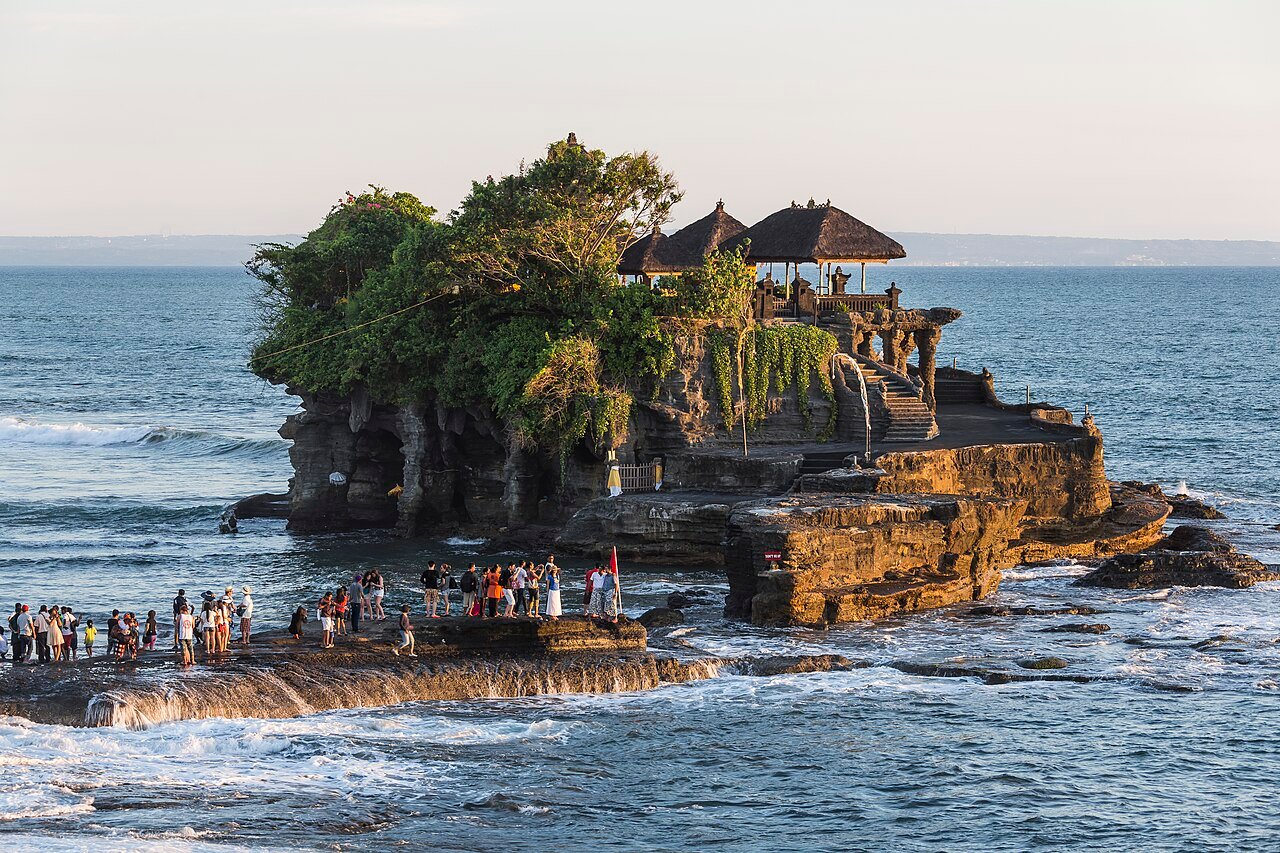
Bali packs astonishing variety into one island. Wander the rice terraces and temples of Ubud, learn to surf or relax on the beaches of Seminyak, Canggu and Kuta, watch the sunset at the clifftop Uluwatu and Tanah Lot temples, island-hop to the dramatic cliffs and snorkelling of Nusa Penida, chase jungle waterfalls, and immerse yourself in a uniquely spiritual Hindu-Balinese culture. Affordable, beautiful and endlessly varied, Bali offers something for every kind of traveller.
Ubud
Rice terraces, temples, art and jungle.
Beaches
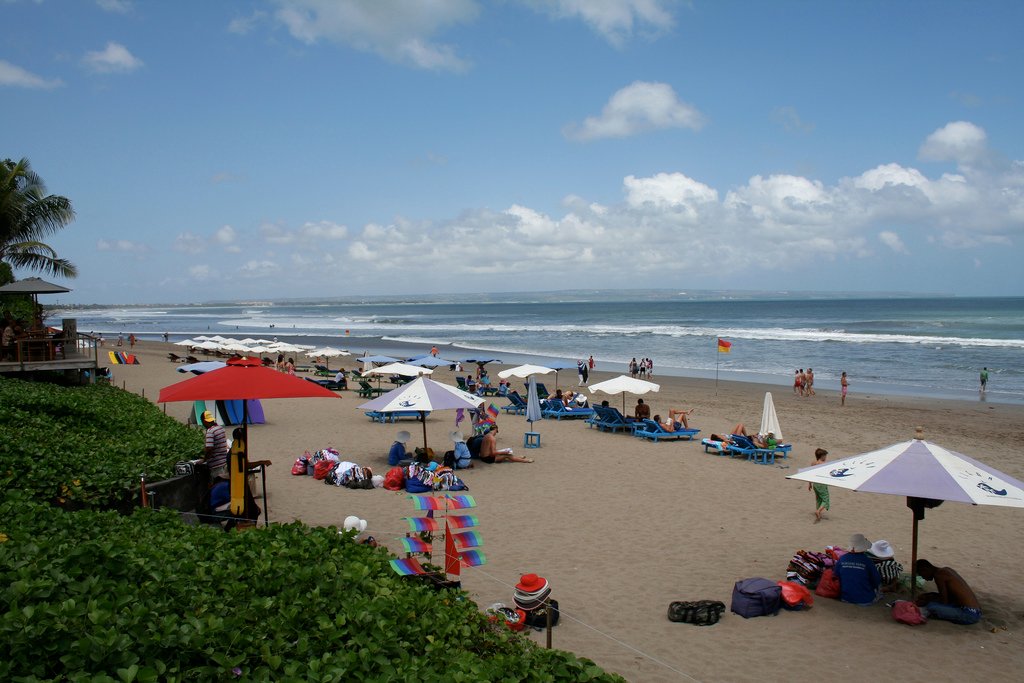
Seminyak, Canggu, Kuta and surf spots.
Clifftop temples
Uluwatu and Tanah Lot at sunset.
Nusa islands
Nusa Penida’s cliffs and snorkelling.
Waterfalls
Lush jungle cascades across the island.
Culture
Hindu-Balinese temples and ceremonies.
Whether you want beaches, culture, adventure, a honeymoon or a yoga-and-wellness escape, Bali delivers a varied, affordable and magical tropical holiday that keeps Indian travellers coming back.
Bali is the Island of the Gods — rice terraces and clifftop temples, surf beaches and jungle waterfalls, all wrapped in a spiritual, welcoming culture.
Part 2 of 8
Visas and getting to Bali
Bali is easy to reach from India and simple to get around.
Visa: Indian passport holders can get a visa-on-arrival for Indonesia (including Bali) for tourism, typically valid for 30 days and extendable, for a fee; an e-VOA is also available online. Carry a passport valid for six months, a return ticket and proof of funds, and confirm the current fee and rules before travel.
By air: Direct and one-stop flights connect major Indian cities to Bali’s Denpasar (Ngurah Rai) airport, often via Singapore, Kuala Lumpur or Bangkok, with low-cost options. Booking early lands the cheapest fares.
Pro tip
Apply for the e-VOA online before travel to speed up arrival, or get the VOA at the airport. Base yourself by area (Ubud for culture, the southern beaches for nightlife) and use Grab/Gojek or a hired scooter or driver to get around.
Getting around: Bali has no metro, so use ride-hailing (Grab/Gojek), hire a private driver for day trips, or rent a scooter (with care, a helmet and an international permit). Distances and traffic can be slow, so plan realistic days.
Part 3 of 8
Best time to visit Bali
Bali has a tropical climate with a dry and a wet season, which shapes the experience.
| Season | Months | What to expect |
|---|---|---|
| Dry/peak | Apr–Oct | The best weather — sunny, ideal for beaches and outdoors. Busiest Jul–Aug. |
| Shoulder | Apr–Jun & Sep | Great weather with fewer crowds and better value. |
| Wet | Nov–Mar | Hot and humid with rain (often short downpours); lush, quieter and cheaper. |
| Year-round | — | Warm always — pack light, with rain gear in the wet season. |
For the best beach and outdoor weather, visit during the April–October dry season, with April–June and September offering great conditions and fewer crowds than the July–August peak. The wet season is hotter and rainier but lush, quiet and cheaper, with rain often falling in short bursts. Bali is warm year-round.
Part 4 of 8
Costs and budgeting for Indians
Bali offers excellent value, from cheap homestays to luxury villas. Here is a realistic per-person, per-day guide for 2026, excluding international flights.
| Style | Daily budget | What it covers |
|---|---|---|
| Backpacker | $25–45 | Homestays and hostels, local warungs, scooter, cheap activities. |
| Mid-range | $60–120 | Good hotels or villas, day tours, dining out and a driver. |
| Luxury | $250+ | Private pool villas, spas, fine dining and curated experiences. |
Local warung eateries are very cheap and delicious, homestays and villas offer great value, and a private driver for day trips is affordable. The main costs are tours, activities and any island-hopping. Carry Indonesian rupiah; cards work in hotels and bigger venues, but cash is needed for warungs and markets. Bali is famously good value for villas and spas.
Good to know
Bali is generally safe but ride scooters carefully (traffic and accidents are common; wear a helmet and carry a permit), respect temple dress codes (sarongs, cover shoulders/knees), beware ocean currents at some beaches, and drink bottled water. Watch belongings and use Grab/Gojek or trusted drivers.
Part 5 of 8
Where to stay, what to eat and top experiences
Where to stay: Ubud for culture, rice terraces and wellness; Seminyak and Canggu for beaches, dining and nightlife; Uluwatu for clifftop luxury and surf; Sanur and Nusa Dua for calmer, family-friendly beaches; and the Nusa islands for an offbeat escape. Choose your base by the vibe you want, or split your stay.
What to eat: Try Balinese and Indonesian food — nasi goreng, mie goreng, satay, gado-gado and babi guling (for non-vegetarians) — at cheap warungs, plus a huge range of cafés and global cuisine. Vegetarian and healthy options abound, especially in Ubud and Canggu, so Indian travellers eat well, with some Indian restaurants too.
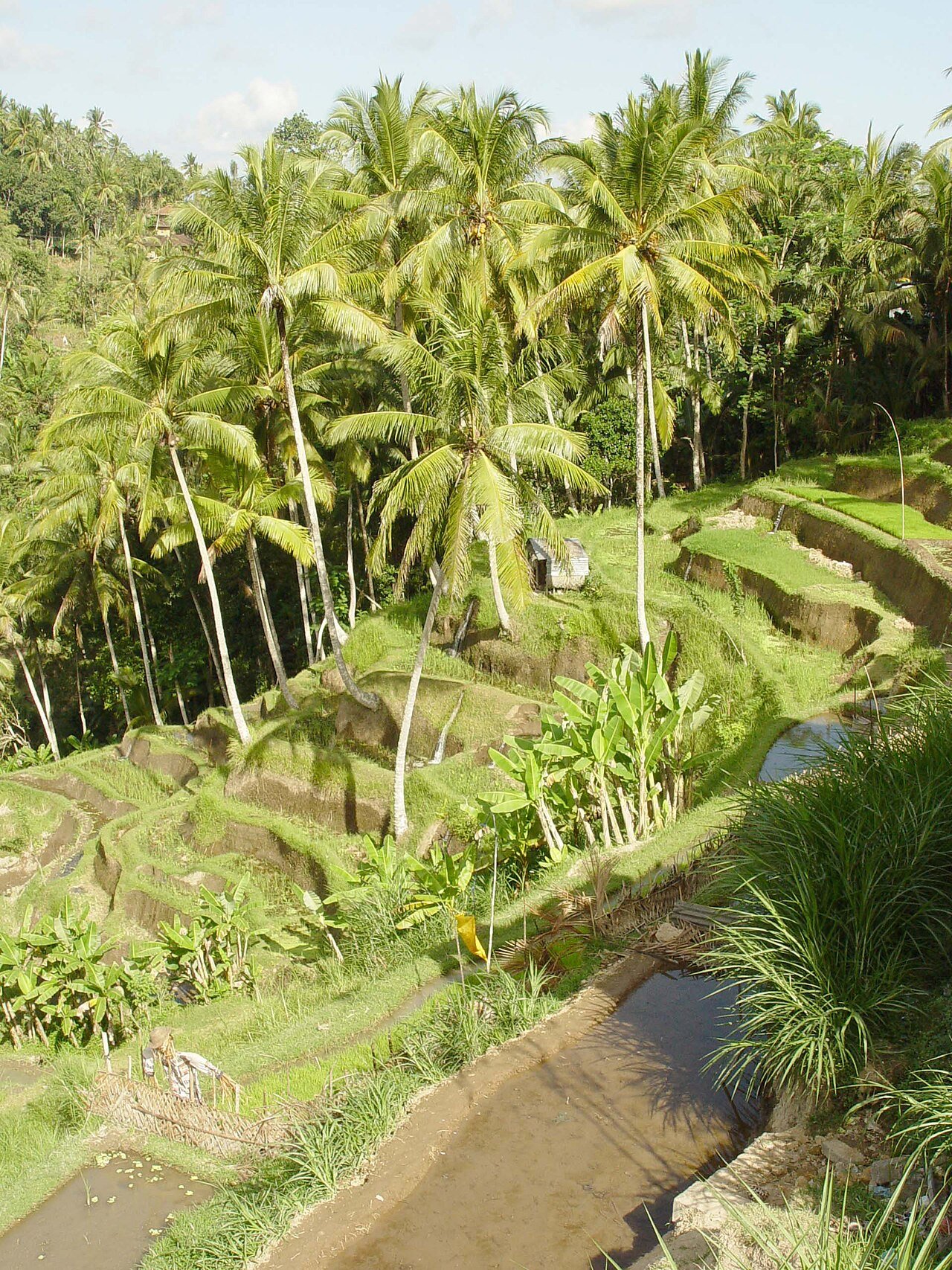
Rice terraces
Tegallalang and Jatiluwih.
Temple sunsets
Uluwatu and Tanah Lot.
Nusa Penida
Cliffs, beaches and snorkelling.
Waterfalls & surf
Jungle falls and beginner surf lessons.
For more, see the Ubud Monkey Forest and art markets, climb Mount Batur for sunrise, snorkel or dive, enjoy a Balinese spa, and watch a traditional Kecak fire dance.
Part 6 of 8
A 5-7 day Bali itinerary
This route balances culture, beaches and island-hopping.
Days 1–2 — Ubud: Rice terraces, temples, the Monkey Forest, art markets, a waterfall and a spa.
Day 3 — Mount Batur / north: A sunrise trek up Mount Batur or northern waterfalls and temples.
Days 4–5 — Southern beaches: Seminyak, Canggu or Uluwatu for beaches, surf, dining, nightlife and clifftop sunsets.
Day 6 — Nusa Penida: A day trip to the dramatic cliffs, beaches and snorkelling of Nusa Penida.
Day 7 — Relax & depart: A final beach or spa day before flying home.
Extend: Add the Gili Islands or more time in the Nusa islands for diving and beaches.
Pro tip
Hire a private driver for the spread-out day trips (Ubud, Batur, temples), and book Nusa Penida via a reputable fast-boat tour. Don’t underestimate Bali’s traffic, so cluster activities by area to save time.
Part 7 of 8
Practical tips for Indian travellers
A few practical pointers make a Bali trip smoother and safer.
Sort your VOA
Get the e-VOA online or visa-on-arrival; confirm the fee.
Ride carefully
Helmet and permit on scooters; or use Grab/Gojek.
Respect temples
Wear a sarong; cover shoulders and knees.
Mind the season
Apr–Oct for the best weather.
Bali is affordable and easy for Indian travellers, with visa-on-arrival, short-ish flights, great-value villas and food, and plenty of vegetarian and Indian options. Sort your VOA (online or on arrival), base yourself by the vibe you want, and use Grab/Gojek or a private driver, as the island is spread out and traffic is slow.
Ride scooters only with care, a helmet and a permit, respect temple dress codes with a sarong, and heed ocean-safety advice as some beaches have strong currents. Carry rupiah for warungs and markets, drink bottled water, travel in the April–October dry season for the best weather, and choose reputable operators for Nusa Penida and water activities. With its beaches, culture and beauty, Bali rewards Indian travellers with a magical, varied and affordable island escape.
Part 8 of 8
Frequently asked questions
Do Indians need a visa for Bali?
Indian passport holders get a visa-on-arrival for Indonesia (including Bali) for tourism, typically valid for 30 days and extendable, for a fee, with an e-VOA available online too. Carry a passport valid for six months, a return ticket and proof of funds, and confirm the current fee and rules before travel.
How do I reach Bali from India?
Direct and one-stop flights connect major Indian cities to Bali’s Denpasar (Ngurah Rai) airport, often via Singapore, Kuala Lumpur or Bangkok, with low-cost options available. Booking early lands the cheapest fares for this popular route.
When is the best time to visit Bali?
The April–October dry season offers the best beach and outdoor weather, with April–June and September giving great conditions and fewer crowds than the July–August peak. The November–March wet season is hotter and rainier but lush, quieter and cheaper, with rain often in short bursts.
How much does a Bali trip cost?
Bali is great value. Excluding flights, backpackers manage on $25–45 a day, mid-range trips run $60–120, and luxury villa stays $250 plus. Warung food, homestays and a private driver are cheap, while tours, activities and island-hopping are the main extras. Bali is famous for affordable villas and spas.
Where should I stay in Bali?
Ubud suits culture, rice terraces and wellness; Seminyak and Canggu for beaches, dining and nightlife; Uluwatu for clifftop luxury and surf; Sanur and Nusa Dua for calmer family beaches; and the Nusa islands for an offbeat escape. Many travellers split their stay between Ubud and a beach area.
Is Bali good for vegetarians and Indian travellers?
Yes. Bali has abundant vegetarian and healthy food, especially in Ubud and Canggu, plus cheap local warungs and some Indian restaurants, so Indian travellers, including vegetarians, eat very well. Combined with visa-on-arrival, value and beaches, it is a very Indian-friendly destination.
Is Nusa Penida worth visiting?
Very much so. Nusa Penida’s dramatic cliffs (like Kelingking Beach), turquoise coves and excellent snorkelling are a Bali highlight, reached by a short fast-boat ride. Visit on a reputable day tour, start early to beat crowds, and note the island’s roads are rough, so a guided tour is the easiest way to see it.
How many days do I need in Bali?
Five to seven days lets you enjoy Ubud, the southern beaches and a Nusa Penida day trip without rushing. A week or more allows adding Mount Batur, the north, the Gili Islands or extra beach and wellness time. Factor in Bali’s slow traffic when planning your days.
Is Bali good for a honeymoon?
Very much so. Bali is a classic honeymoon destination, with romantic private-pool villas in Ubud and the south, clifftop sunset dinners at Uluwatu, couples’ spa treatments, beaches and waterfalls. The mix of culture, scenery, wellness and value makes it ideal for newlyweds, and many resorts offer dedicated honeymoon packages.
Can I combine Bali with the Gili Islands or Nusa islands?
Yes. The Nusa islands (Penida, Lembongan, Ceningan) are a short fast-boat ride from Bali and great for cliffs, beaches and snorkelling, while the Gili Islands off Lombok offer car-free island life and diving, reached by fast boat. Both make popular add-ons of a few days to a Bali trip for more beach and underwater time.
The bottom line
Bali is the ultimate Island of the Gods — emerald rice terraces and clifftop temples, surf beaches and jungle waterfalls, the dramatic cliffs of Nusa Penida, and a uniquely spiritual culture, all at superb value. Sort your visa-on-arrival, travel in the April–October dry season, base yourself in Ubud and a beach area, and use a private driver or Grab to get around. Respect temple dress codes, ride scooters safely, and choose reputable tours, and Bali will reward Indian travellers with a varied, affordable and magical tropical escape.
Related reading
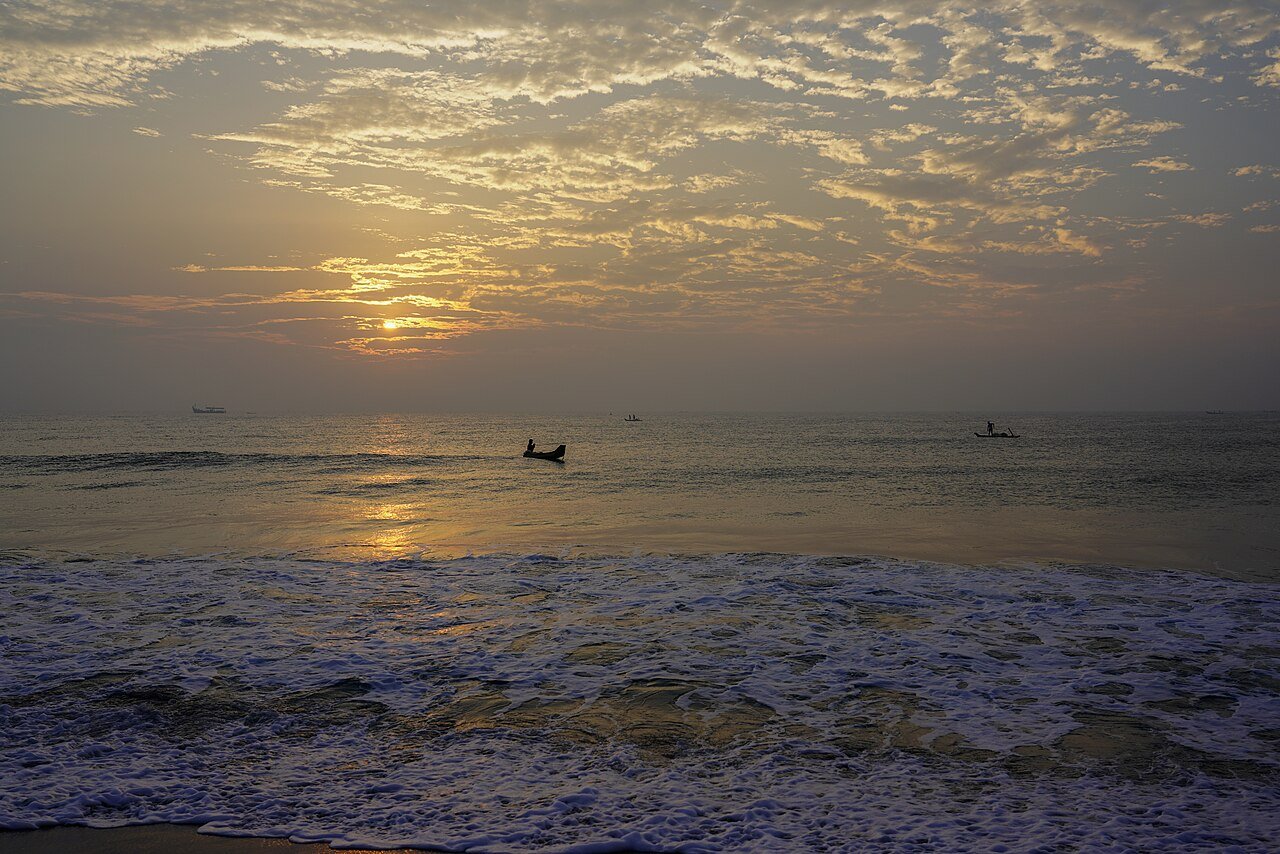 Pondicherry Itinerary: 2-3 Day French Riviera Plan (2026)
 Singapore Malaysia Itinerary: 7 Days from India (2026)
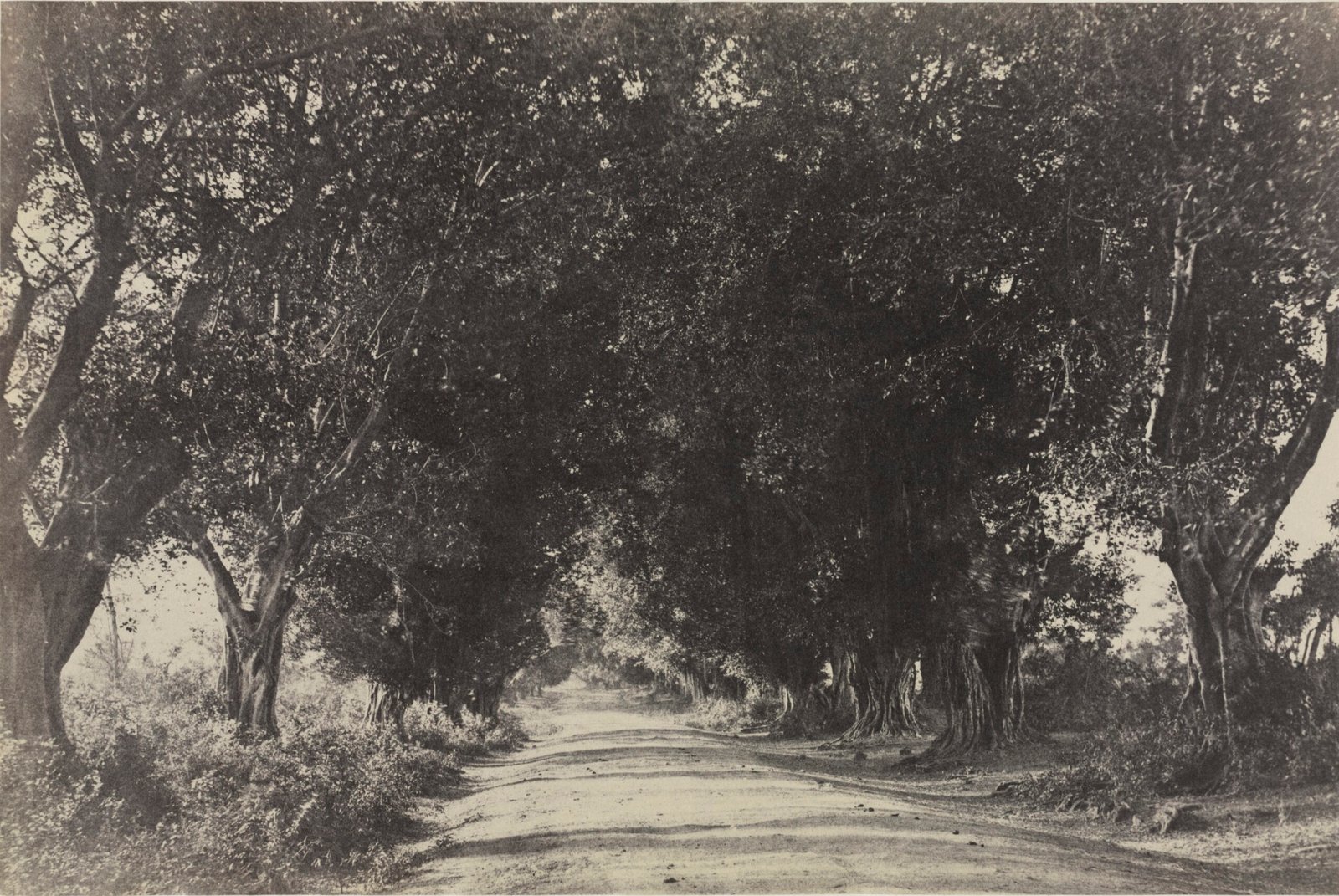 Tamil Nadu Temple Trail 7-Day Itinerary 2026 — Madurai, Thanjavur, Trichy, Kanchipuram & Rameswaram
Photos sourced from Wikimedia Commons under their respective Creative Commons licences. Visa, flight and travel details are indicative for 2026; confirm current visa rules and prices before you travel.