Best European Countries to Visit from India 2026 — by Interest & Budget
Last updated: June 30, 2026
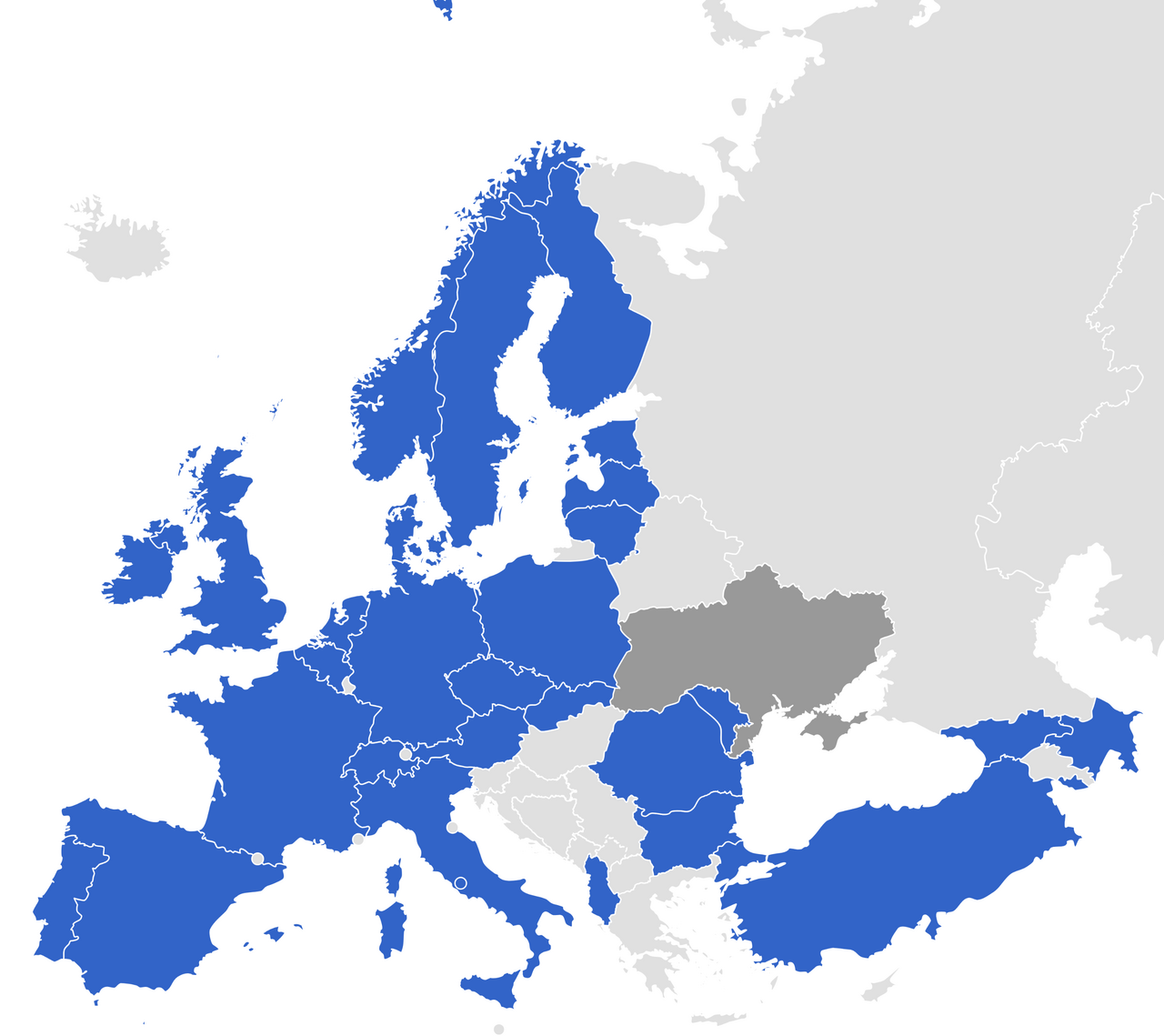
Europe is the dream trip for many Indian travellers — but “Europe” is really a dozen very different holidays, from Alpine railways and Mediterranean beaches to fairy-tale castles and world-class art. The right country (or combination) depends on your interests, budget, season and how much visa effort you want. This guide breaks down the best European countries to visit from India by what they’re best for, with practical notes on cost, season and how to combine them, so you can plan a trip that actually fits you. Most require a Schengen visa — see the Schengen visa guide for Indians — while a few (like the UK) have separate visas.
How to choose where to go
Start with your priorities: mountains and scenery, art and history, beaches, food, or first-time icons. Then factor season (summer for the Alps and north, shoulder months for the Mediterranean), budget (Western Europe and Switzerland are pricey; Eastern and Southern Europe stretch further), and time (one region done well beats five countries rushed). First-timers often pair two or three neighbouring countries via cheap trains and flights rather than trying to “see Europe” in one trip.
Switzerland — best for mountains and scenery
The ultimate Alpine experience: snow-capped peaks, glacial lakes, scenic trains and storybook villages. It’s expensive but unforgettable, ideal for honeymooners and scenery lovers. Best in summer for open excursions or winter for snow. Pair with neighbouring France or Italy.
France — best all-rounder
From Paris’s icons and art to the lavender fields of Provence and the Riviera’s beaches, France offers something for everyone — culture, food, romance and variety. A classic first Europe trip, often combined with Switzerland and Italy.
Italy — best for history, art and food
Rome’s ruins, Venice’s canals, Florence’s Renaissance art and the Amalfi Coast make Italy a feast for history buffs and foodies. Vegetarians eat well (pizza, pasta, gelato). Spring and autumn dodge the summer crowds and heat.
Spain — best for vibrant culture and beaches
Gaudí’s Barcelona, vibrant Madrid, Moorish Andalusia and Mediterranean beaches give Spain energy, art and great value relative to Western Europe. Late spring and early autumn are ideal; tapas culture suits sharing and grazing.
Greece — best for islands and ancient sites
The Acropolis paired with Santorini’s caldera sunsets and Mykonos’s whitewashed lanes make Greece a bucket-list mix of history and island bliss. Very vegetarian-friendly. Visit in the shoulder months to avoid peak crowds and prices.
Austria — best for music, palaces and Alps
Vienna’s imperial grandeur and coffee houses, Salzburg’s Mozart and Sound-of-Music scenery, and the lake-and-mountain beauty of the Salzkammergut make Austria elegant and scenic. Pairs neatly with Switzerland, Germany or the Czech Republic.
Germany — best for variety and value
Fairy-tale castles (Neuschwanstein), the Black Forest, Bavarian Alps, Berlin’s history and the romantic Rhine give Germany huge variety at relatively reasonable prices, with excellent transport. Great for road trips and families.
Netherlands — best for canals and easy charm
Amsterdam’s canals, museums and bikes, plus the spring tulip fields, make the Netherlands compact, walkable and easy for first-timers. A great short add-on to a wider trip and very English-friendly.
Portugal — best for value and coast
Lisbon’s hills and trams, Porto’s port wine, and the Algarve’s golden cliffs and beaches make Portugal one of Western Europe’s best-value and most relaxed destinations. Pleasant much of the year.
United Kingdom — best for first-time English-speakers
London’s icons, Scotland’s Highlands and historic cities make the UK a comfortable, English-speaking choice — note it needs a separate UK visa, not Schengen. Pricey, but easy to navigate and rich in history.
Czech Republic & Central Europe — best for budget and beauty
Prague’s fairy-tale old town, along with Budapest (Hungary) and Krakow (Poland), offers stunning architecture and a lively scene at noticeably lower prices than the west — perfect for budget-conscious travellers wanting maximum charm.
Scandinavia — best for nature and the Northern Lights
Norway’s fjords, Iceland’s waterfalls and geysers, and the chance to see the Northern Lights in winter make the Nordic countries spectacular for nature lovers — though they’re among Europe’s priciest, so plan budget carefully.
Suggested combinations
Popular first-timer routes include France + Switzerland + Italy (icons, Alps and art), Spain + Portugal (Iberian sun and value), Austria + Czech Republic + Hungary (Central European charm on a budget), and Greece as a standalone history-and-islands trip. Cheap intra-Europe flights and excellent trains make two-to-three-country trips easy in 8–12 days.
Best time, budget and visa notes
Season: June–September for the Alps, north and long days; April–May and September–October for the Mediterranean’s gentler weather and prices; winter for snow and the Northern Lights. Budget: Switzerland and the Nordics are most expensive; Central, Eastern and parts of Southern Europe stretch your rupee furthest; save with rail passes, self-catering and shoulder-season travel. Visa: most of these are Schengen countries (one visa covers the zone) — apply early as appointments fill up — while the UK requires its own visa. Always carry travel insurance, which is mandatory for Schengen.
Frequently asked questions
Which European country is best for a first trip from India? France, Italy or Switzerland (often combined) are classic first choices; Central Europe is best for budgets.
How many countries should I visit in one trip? Two or three neighbouring countries in 8–12 days is the sweet spot — more feels rushed.
Do I need a separate visa for the UK? Yes — the UK is not in the Schengen zone and requires its own visa.
When is Europe cheapest? Shoulder seasons (spring and autumn) and Central/Eastern Europe offer the best value.
A few more countries worth knowing
Croatia has become a Mediterranean star — the walled city of Dubrovnik, island-hopping along the Dalmatian coast, and the Plitvice Lakes’ waterfalls — at better value than Western Europe, and it’s now in the Schengen zone. Belgium packs medieval squares, chocolate and beer into compact, easy day trips (Brussels, Bruges, Ghent), pairing perfectly with the Netherlands. Ireland (not Schengen — needs its own visa) offers dramatic green coastlines and friendly pubs. Hungary’s Budapest, with its grand parliament and thermal baths, is one of Europe’s best-value capitals. Mixing one “icon” country with a cheaper neighbour is a smart way to balance the budget.
Getting around Europe
Europe’s transport makes multi-country trips easy. Trains are scenic and central-to-central — high-speed lines link major cities, and a rail pass (such as Eurail for non-EU travellers) can pay off on multi-leg routes; reserve seats on fast/scenic trains. Budget airlines connect far-flung cities cheaply if you book early and travel light (watch baggage fees). Within cities, excellent metros, trams and buses mean you rarely need a car — though a car helps for the Swiss Alps, Scottish Highlands or rural regions. For a two-to-three-country trip, mixing a couple of budget flights with trains usually works best.
Detailed costs by region
Daily on-the-ground budgets (per person, excluding international flights) vary widely. Switzerland and the Nordics: ₹15,000–25,000+ a day. Western Europe (France, Italy, Germany, Netherlands): ₹8,000–15,000 mid-range. Southern Europe (Spain, Portugal, Greece): ₹6,000–11,000. Central/Eastern Europe (Czechia, Hungary, Poland, Croatia): ₹4,000–8,000 — the best value. Big savings come from staying in apartments/hostels, self-catering some meals, travelling in shoulder season, and choosing the right rail pass. Budget separately for international flights (₹45,000–90,000 return depending on country and season) and mandatory Schengen travel insurance.
Sample first-timer routes
10–12 days, classic icons: Paris (3) → Switzerland (3, Lucerne/Interlaken) → Italy (4, Venice/Florence/Rome) by train and a short flight. 10 days, sun and value: Spain (Barcelona + Madrid) → Portugal (Lisbon + Porto). 9 days, Central Europe on a budget: Prague → Vienna → Budapest by train. 8 days, history and islands: Athens → Santorini → Mykonos. Pick one route, book inter-city legs early, and resist the urge to add “just one more” country.
Money, SIM and practical tips
Most of the Schengen zone uses the euro (Switzerland uses francs, the UK pounds, and several Eastern European countries their own currencies). Carry a travel card and some cash; cards are widely accepted. A travel eSIM or a local/EU SIM keeps you online for maps and bookings. Tap water is safe in most of Europe — carry a bottle. Validate train tickets where required, watch for pickpockets in tourist hotspots, and keep digital and paper copies of your visa, insurance and bookings. Tipping is modest (round up or 5–10% where service isn’t included).
More frequently asked questions
Is a Eurail pass worth it? For multi-country trips with several long train legs it often is — compare against point-to-point fares and budget flights for your route.
How much does a Europe trip from India cost? Roughly ₹1.5–3.5 lakh per person for 10–12 days including flights, depending heavily on the countries chosen and travel style.
Can I cover Western and Eastern Europe in one trip? Yes, but keep it to neighbouring clusters — trying to span the continent in one trip means too much transit.
Before you book: check entry rules in the visa checker, estimate spend with the Trip Cost Calculator, and browse more international travel guides.
Related reading: Best Honeymoon Destinations from India 2026 — by Style & Budget · Best Beach Destinations from India 2026 — by Budget, Vibe & Season · Visa-Free Countries for Indians 2026 — Complete List & Travel Guide