How to Get a Passport in India 2026 — Fees, Documents, Tatkal & Process
Last updated: June 29, 2026
A passport is your gateway to international travel, and the good news for Indians in 2026 is that applying for one has never been easier, thanks to the streamlined online Passport Seva system. Whether you are applying for your very first passport, renewing an expiring one, or getting a passport for your child, the process is largely digital, transparent and far quicker than it used to be, with most appointments booked and forms filled entirely online before a single visit to a Passport Seva Kendra.
Still, the process can feel daunting if it is your first time, with questions about fees, documents, police verification and the difference between the normal and Tatkal schemes. This comprehensive guide walks you through everything step by step — eligibility, the documents you need, the exact fees, how to apply online, what happens at the appointment, processing timelines, police verification, and tips to avoid delays — so you can get your passport smoothly and start planning your first or next international trip.
What Is the Passport Seva System?
The Passport Seva Programme, run by the Ministry of External Affairs in partnership with a service provider, has transformed passport issuance in India into a largely paperless, appointment-based system. Applications are submitted online through the official Passport Seva portal, fees are paid digitally, appointments are booked at a Passport Seva Kendra (PSK) or the smaller Post Office Passport Seva Kendra (POPSK), and the entire status of your application can be tracked online from start to finish.
This system has dramatically reduced waiting times and middlemen, putting control in the applicant’s hands. There are PSKs and POPSKs spread across the country, including in smaller towns, making access far easier than in the past. The key thing to remember is to apply only through the official government portal and never through unofficial agents promising shortcuts, as the genuine process is straightforward and does not require any intermediary.
Who Can Apply and Types of Passports
Any Indian citizen is eligible to apply for a passport, whether it is a fresh application for first-time applicants, a reissue or renewal for those whose passports are expiring or have expired, or applications for minors. The most common is the ordinary passport (the navy-blue booklet) for general travel, available in 36-page and 60-page variants, the latter suiting frequent travellers who fill pages quickly with visas and stamps.
Applicants can choose the standard 10-year validity for adults, while minors under 18 receive passports with shorter validity. There are also special categories such as diplomatic and official passports for eligible government personnel, but the vast majority of travellers need the ordinary passport. When applying, you simply select fresh issue or reissue, the booklet size, and whether you want the normal or the faster Tatkal scheme, and the portal guides you through the rest.
Documents Required
For a fresh adult passport, you typically need proof of identity and date of birth, plus proof of present address. Commonly accepted documents include your Aadhaar card, PAN card, voter ID, birth certificate, and for address proof, items like utility bills, bank statements, rent agreements or your Aadhaar. The exact accepted documents are listed on the Passport Seva portal, which provides a handy document advisor tailored to your application type.
For minors, you need the birth certificate and the parents’ passport details and documents, while for reissue you need your current passport along with the standard proofs. It is wise to carry both originals and self-attested photocopies to your appointment. Ensuring your name, date of birth and address are consistent across all documents — and matching your Aadhaar — is the single best way to avoid delays or rejections during verification.
Normal Passport Fees in 2026
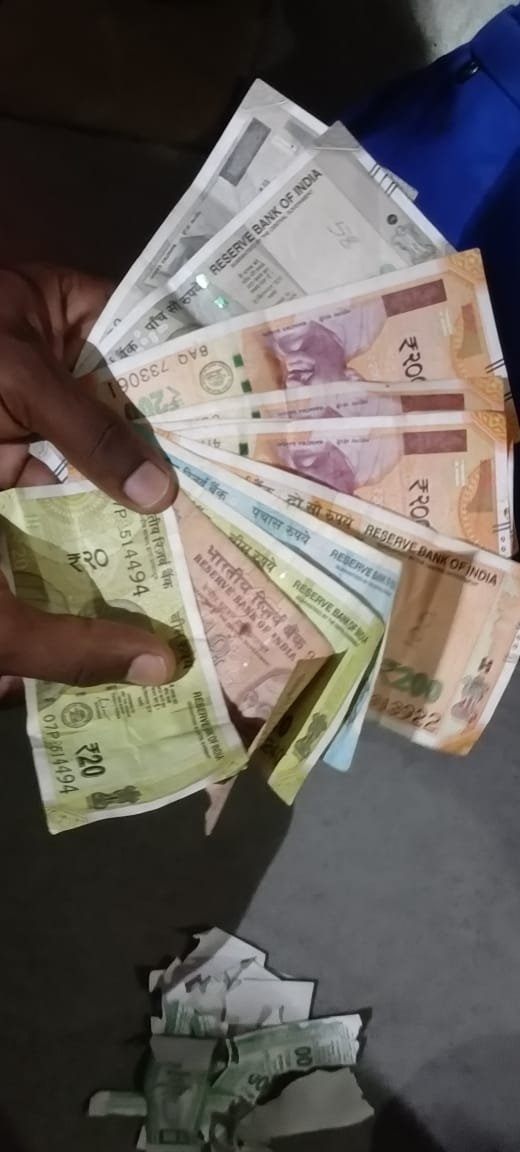
For an adult applying for a fresh or reissued 36-page passport with 10-year validity under the normal scheme, the fee is ₹1,500. For the larger 60-page booklet, the fee is ₹2,000, suiting frequent travellers. Passports for minors under 15 with limited validity carry a lower fee of ₹1,000.
These fees are paid online at the time of booking your appointment, and the payment confirmation is required to schedule your slot. The fee structure is transparent and published on the official portal, so you always know the exact cost before applying. Replacement of a lost or damaged passport attracts an additional penalty fee, so safeguarding your passport is also a way to avoid extra expense down the line.
Tatkal Scheme for Urgent Passports
If you need your passport urgently, the Tatkal scheme offers expedited processing for an additional premium of ₹2,000 over the normal fee. This means an adult 36-page Tatkal passport costs ₹3,500 in total (₹1,500 normal plus ₹2,000 Tatkal premium), and the 60-page version ₹4,000. Under Tatkal, the passport is typically processed and dispatched far faster, often within a few working days of your appointment, with police verification carried out after issuance rather than before.
Tatkal is ideal for genuine emergencies or last-minute travel plans, but not everyone qualifies automatically, and you may need to provide additional verification documents to establish your identity quickly. Check the eligibility and document requirements on the portal before choosing Tatkal, and be prepared with the specified proofs. For most people with adequate lead time, the normal scheme is perfectly sufficient and cheaper.
Step-by-Step Application Process
Begin by registering on the official Passport Seva portal and creating a login. Once logged in, fill out the application form online — either directly on the portal or by uploading the XML form — selecting whether it is a fresh application or reissue, the booklet size, and the normal or Tatkal scheme. Carefully enter your details exactly as they appear on your supporting documents to avoid mismatches.
Next, pay the fee online and book an appointment at your nearest PSK or POPSK, choosing an available date and time slot. On the appointment day, visit the centre with your original documents and photocopies, where your application moves through token, document verification, biometric capture and a final review counter. After the appointment, your application proceeds to police verification (if applicable) and then printing and dispatch of the passport to your address.
What Happens at the Appointment
At the Passport Seva Kendra, your visit is organised into a smooth, token-based flow. You first report at the entrance with your appointment confirmation and documents, then proceed to Counter A where your documents are verified and your photograph and fingerprints (biometrics) are captured. From there your file moves to Counter B and Counter C, staffed by verification and granting officers who review the application and grant approval.
The whole process at the centre usually takes a couple of hours, though it can vary with the crowd. Staff are generally helpful, and the system is designed to be applicant-friendly. Dress neatly for your biometric photograph, arrive a little before your slot, and keep your documents organised in order. Once all three counters clear your application, you will receive an acknowledgement and can track the next steps online.
Police Verification
For most fresh passport applications, police verification is a standard part of the process, carried out either before the passport is issued (pre-verification) for the normal scheme or after issuance (post-verification) for Tatkal and certain reissue cases. A police officer from your local station will verify your residential address and identity, usually by visiting your home or calling you to the station with your documents.
To ensure smooth verification, keep your address proof and original documents handy, be available or reachable at the address you provided, and respond promptly to any contact from the police. Discrepancies between your stated address and your documents are the most common cause of delays, so consistency is key. Once police verification is cleared and uploaded, your passport is printed and dispatched, and you can track its delivery online.
Processing Time and Tracking
Under the normal scheme, a passport is typically issued within a couple of weeks to about a month, depending largely on how quickly police verification is completed. The Tatkal scheme is much faster, often delivering the passport within a few working days of the appointment, since verification happens after issuance. These timelines can vary by location and the volume of applications at your centre.
You can track your application status at every stage through the Passport Seva portal and the mPassport Seva mobile app, which show whether your application is under review, awaiting police verification, printed or dispatched. Once dispatched, the passport is sent by Speed Post, and you receive a tracking number to follow its delivery. Keeping an eye on the status helps you respond quickly if any additional information or verification is requested.
Renewing or Reissuing Your Passport
When your passport is nearing expiry — ideally apply about a year before it expires, and certainly before the last few months, as many countries require at least six months’ validity for entry — you apply for a reissue through the same Passport Seva portal. The process mirrors a fresh application but is generally quicker, as your details are already in the system, and you select “reissue” as the reason.
You will need your current passport along with standard proofs, and any documents reflecting changes such as a new address, name change after marriage, or correction of details. Reissue may or may not require fresh police verification depending on your circumstances. Applying well in advance of expiry avoids the stress of last-minute Tatkal applications and ensures your passport is always valid for your travel and visa requirements.
Tips to Avoid Delays
The most important tip is to ensure complete consistency of your name, date of birth and address across all your documents, ideally matching your Aadhaar, since mismatches are the leading cause of delays and rejections. Carry both originals and self-attested photocopies to your appointment, double-check your application form before submitting, and select the correct application type and booklet size to avoid having to redo anything.
Apply only through the official Passport Seva portal and avoid touts or unofficial agents, book the earliest available appointment to your convenience, and be promptly available for police verification. If you have any complicated circumstances — such as a name change, previous passport issues, or specific document gaps — review the portal’s guidance carefully or seek clarification at the centre. A little preparation makes the whole process smooth and stress-free.
Frequently Asked Questions
How much does a passport cost in India in 2026? An adult 36-page normal passport costs ₹1,500, and the 60-page version ₹2,000. Tatkal adds a ₹2,000 premium, making the 36-page Tatkal passport ₹3,500.
How long does it take to get a passport? The normal scheme typically takes around two weeks to a month, depending on police verification, while the Tatkal scheme often delivers within a few working days.
What is the difference between normal and Tatkal? Tatkal is an expedited scheme with a higher fee, where police verification happens after issuance, making it much faster. Normal is cheaper with verification before issuance.
What documents are needed for a passport? Proof of identity and date of birth (Aadhaar, PAN, birth certificate) and proof of present address. The Passport Seva portal lists exactly what is accepted for your application type.
How do I apply for a passport in India? Register on the official Passport Seva portal, fill the form online, pay the fee, book an appointment at a PSK or POPSK, and visit with your documents for verification and biometrics.
Getting a passport in India in 2026 is a straightforward, largely online process through the Passport Seva system, with transparent fees and clear timelines. Keep your documents consistent, apply only through the official portal, choose the normal scheme unless you genuinely need Tatkal, and apply well before any planned travel — and you will soon have the little booklet that opens up the world.
Passport fees, processes and timelines are set by the Government of India and can change. The details here are 2026 estimates from public sources; always verify the current fees, documents and procedures on the official Passport Seva portal before applying.
Related reading: Indian Passport Renewal & Tatkal Process Explained (2026) · The Ultimate Pre-Travel Checklist 2026 — Documents, Packing & Home Prep · IRCTC Tatkal Ticket Booking: Tips & Timings (2026)