Forex Card vs Debit Card vs Cash: What to Use Abroad (2026)
One of the most common questions Indian travellers ask before going abroad is: should I carry a forex card, use my debit and credit cards, or take cash? Each option has real strengths and weaknesses, and the smartest travellers usually combine them. This guide compares forex cards, international debit and credit cards, and cash across cost, convenience, safety and acceptance, and gives a simple framework to decide the right mix for your trip.
The three main ways to carry money abroad
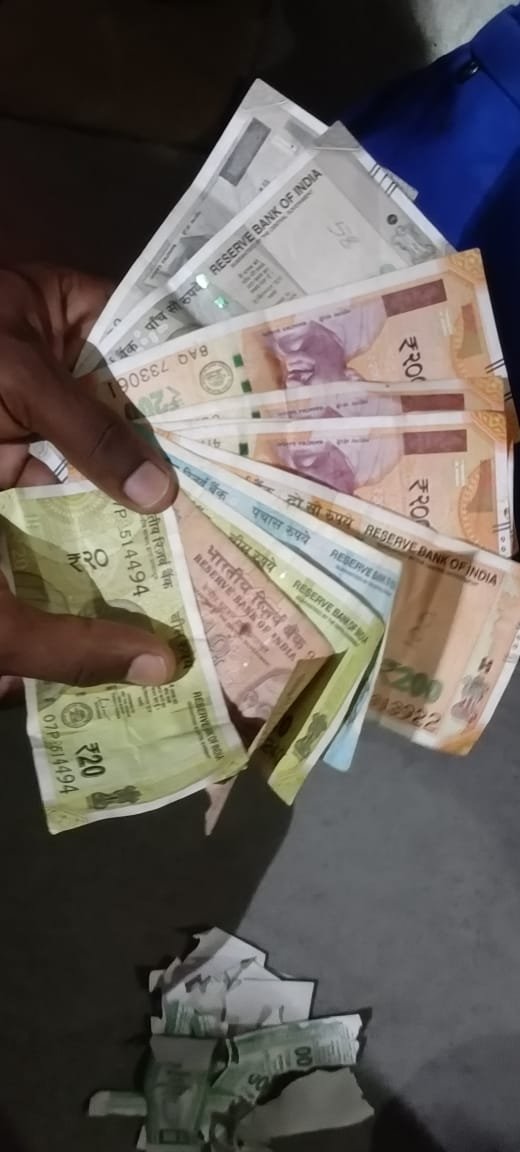
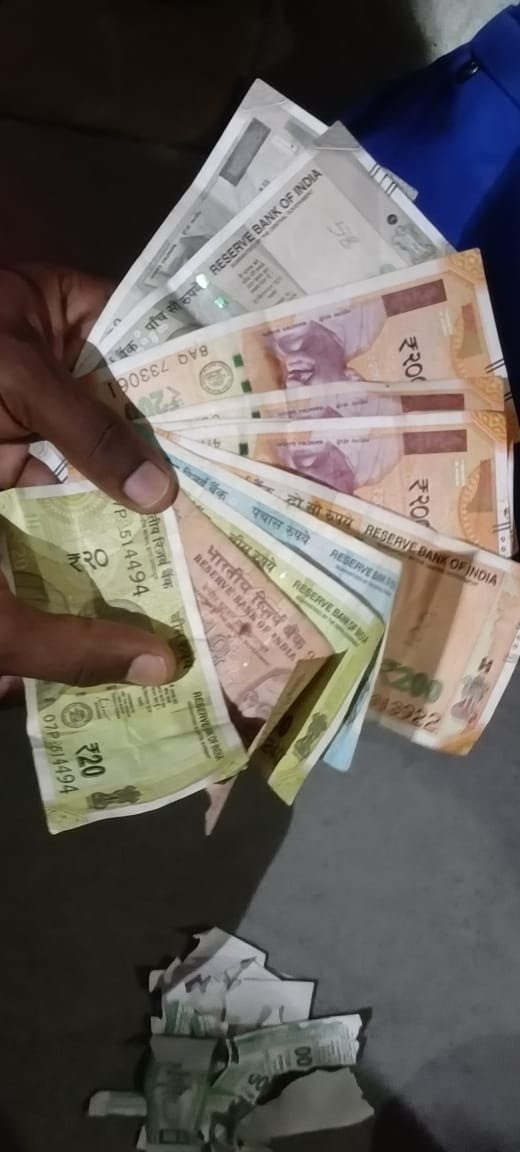
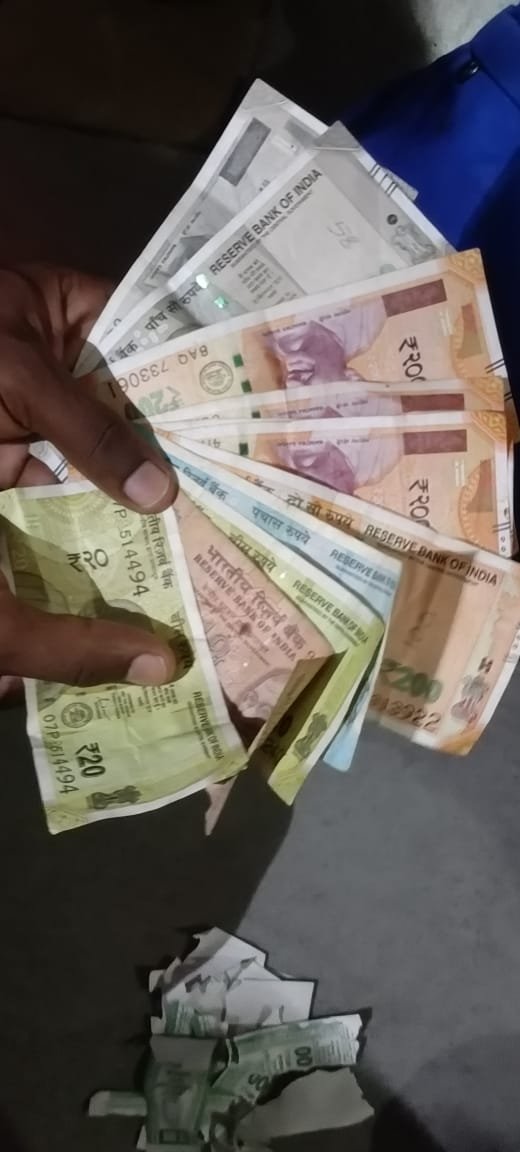
Broadly, you have three tools. A forex (prepaid travel) card is loaded with foreign currency at a locked-in rate and spent like a debit card. International debit and credit cards draw from your bank account or credit line and are widely accepted, but often add a foreign-transaction markup. Cash in the local currency is universally accepted by small vendors but risky to carry in large amounts. Understanding how each performs on the factors below helps you choose, and most experienced travellers use a blend rather than relying on just one.
Comparing on cost
On cost, the picture varies. A forex card locks the rate and usually has a lower markup, but carries issuance, reload and ATM fees. A regular debit/credit card is convenient but often charges a foreign-transaction markup plus ATM fees, though specialised zero-markup cards can be very cost-effective. Cash avoids transaction fees but depends entirely on getting a good exchange rate, and exchanging at airports or hotels is typically poor value. For pure cost on everyday spending, a forex card or a zero-markup card usually beats cash exchanged at convenience.
Comparing on convenience and acceptance
For convenience, cards (forex, debit or credit) win for larger purchases, hotels, online bookings and security, while cash is essential for small shops, street food, tips, local transport and places that do not accept cards. Card acceptance is high in cities and developed destinations but patchier in rural areas and some countries, so cash remains necessary everywhere. A forex card and a credit card cover most spending, but you should never travel with zero cash.
Comparing on safety
On safety, cards clearly beat cash: a forex or bank card is PIN-protected and can be blocked instantly if lost or stolen, and a forex card isolates your travel money from your main bank account. Cash cannot be recovered if lost or stolen, so carrying large amounts is risky. The safest approach is to keep the bulk of your money on cards, carry only modest cash, and split your cash and backup card across different bags.
A simple framework to decide
Put it together like this: use a forex card (or zero-markup card) for most everyday spending to get good rates and low fees; keep a credit card for large, refundable or emergency payments and for any rewards; and carry some local cash for small vendors, tips and emergencies. Always pay in the local currency to avoid dynamic-conversion losses, keep a backup card separate, and factor in any applicable TCS on large forex loads. This balanced mix gives you cost-efficiency, convenience and safety together.
Frequently asked questions
What is the cheapest way to spend abroad? Usually a forex card or a zero-markup card for everyday spending, with cash only for small purchases — avoid exchanging large sums at airports.
How much cash should I carry? Enough for small vendors, tips, local transport and a day or two of emergencies — keep the bulk on cards.
Is it safe to rely only on cards? Mostly, but always carry some local cash and a backup card, as card acceptance and ATMs are not universal.
A typical-trip cost comparison
Imagine a two-week international trip with everyday spending on food, shopping, transport and a few attractions. Pay for all of it on an ordinary credit/debit card and the foreign-transaction markup quietly adds a few percent to the whole total, plus ATM fees for any cash you withdraw. Use a forex card or zero-markup card for the same spending and you avoid most of that markup, keeping more in your pocket. Exchange a large wad of cash at the airport and you typically get a poor rate, losing value before you even land. Spread across two weeks of spending, choosing the right tool can save a meaningful sum — which is why the mix matters.
Best choice for different travellers
Match the tool to your style. Budget backpackers often favour a forex card plus modest cash to control spending. Comfort and mid-range travellers do well with a forex or zero-markup card for most spending and a credit card for hotels and bookings. Frequent flyers may lean on a rewards-earning zero-markup credit card. Older travellers and families appreciate the security and simplicity of cards plus enough cash for daily needs. Whatever the style, almost everyone benefits from carrying at least two payment types plus some local cash.
What about online and pre-trip bookings
For online bookings made before or during your trip — hotels, tours, transport — a credit card is often best for its buyer protection and the ability to dispute charges, and a zero-markup card avoids the foreign markup on overseas-billed sites. A forex card can also be used online for spends in the loaded currency. For large or refundable bookings, the protection of a credit card is valuable, so reserve those for your card and use the forex card and cash more for on-the-ground spending.
Tips for managing money on the road
A few habits keep things smooth: always pay in the local currency to dodge dynamic-conversion losses; withdraw cash in larger, less frequent amounts to minimise ATM fees; keep your backup card and spare cash separate from your main wallet; note your card-blocking helplines; and track your spending against your budget. Inform your bank of travel dates if required to avoid blocks, and keep small denominations of local cash for tips and transport. These simple steps prevent most money headaches abroad.
Mistakes to avoid
Steer clear of: relying on a single payment method; carrying too much cash; exchanging large sums at airports or hotels; accepting dynamic currency conversion; ignoring foreign-transaction markups on ordinary cards; and forgetting to carry any local cash at all. Each of these either costs you money or risks leaving you stranded. A balanced, informed approach — the right cards plus modest cash, used wisely — avoids them all.
Smart currency-exchange tips
If you do exchange cash, where you do it matters hugely. Avoid airport and hotel exchange counters, which typically offer the worst rates, and steer clear of street touts. Better options include authorised money changers in the city, your bank before departure, or simply withdrawing local currency from a bank ATM on arrival (mindful of fees). Compare the offered rate against the market rate, and never exchange large sums at a poor rate out of convenience. A little planning on where and how you get cash protects real value.
A prepaid versus credit mindset
Your choice also reflects how you like to manage money. A forex card encourages a prepaid, budgeted mindset — you load a set amount and spend within it, which suits travellers who want firm control. A credit card offers flexibility and rewards but requires discipline to clear the bill and avoid interest. Neither is inherently better; pick the balance that matches your spending habits, and many travellers combine both to get budgeting control plus flexibility and protection.
Have an emergency money plan
Always plan for the worst case. Keep a backup card and some emergency cash stored separately from your main wallet, note your banks’ international helpline numbers to block cards quickly, and keep digital copies of card details in a secure place. Know how you would receive emergency funds if needed. This redundancy means that losing a wallet or having a card blocked does not ruin your trip — you simply switch to your backup while sorting out the primary.
Country-specific notes
Acceptance varies by destination. In card-friendly countries, you can rely mostly on cards with little cash; in more cash-based destinations, carry more local currency for daily needs. Some countries have limits on importing cash, and a few have restrictions on certain card networks, so check before you go. Researching your specific destination’s payment norms — how widely cards are accepted, ATM availability, and cash customs — lets you fine-tune your money mix for that trip.
More frequently asked questions
Should I tell my bank before travelling? Yes if required — informing your bank of travel dates can prevent your card being blocked for unusual foreign activity. Is it better to pay by card or cash for big purchases? Card, usually, for protection and to avoid carrying large cash — ideally a credit or zero-markup card. Can I use UPI abroad? UPI acceptance is expanding in some countries — check availability for your destination, but do not rely on it alone.
The bottom line
There is no universal winner among forex cards, bank cards and cash — the right answer is a sensible combination. Use a forex or zero-markup card for everyday spending, a credit card for large and refundable bookings, and modest local cash for small purchases and emergencies. Always pay in local currency, carry a backup, and research your destination’s payment norms. Get this mix right and you will spend abroad cheaply, conveniently and safely — just confirm current fees and rates before you travel.
A quick decision summary
If you want it in one line: forex or zero-markup card for everyday spending, credit card for big and refundable bookings, cash for small purchases and emergencies — and always pay in the local currency. For a budget trip, lean on a forex card and modest cash; for a comfort trip, add a credit card for bookings; for frequent flyers, a rewards-earning zero-markup card does much of the work. Carry at least two payment methods plus some local cash, keep a backup separate, and you are covered for virtually any situation abroad while keeping fees low.
Final tips before you fly
Before departure, compare your card fees and load or arrange your forex card, inform your bank of travel dates if needed, get a little local cash for arrival, and note your card-blocking helplines. On the trip, pay in local currency, withdraw cash in larger and less frequent amounts, and track spending against your budget. With the right mix prepared in advance, managing money abroad becomes effortless — just remember to confirm current rates, fees and tax rules with official sources before you travel.
Related reading: Credit Card Airport Lounge Access in India: How It Works (2026) · Reward Points vs Cashback: Which Card Is Better? (2026) · Credit Card Complimentary Travel Insurance: What It Covers (2026)
Plan smarter: browse more travel tips and budget travel guides, and use our Trip Cost Calculator.
Last updated: June 2026. Fees, rates, card features and reward programmes change frequently — confirm current details with official sources and your bank before acting. This article is general information, not financial advice.