Singapore Malaysia Itinerary: 7 Days from India (2026)
Last updated: July 8, 2026
Singapore and Malaysia make one of Southeast Asia’s most rewarding twin-country trips — a blend of futuristic city-state polish and Malaysian variety, from gleaming skylines and theme parks to street-food heaven and tropical islands. Over a week you can take in Singapore’s Marina Bay, Gardens by the Bay and Sentosa, then cross to Kuala Lumpur’s Petronas Towers, temples and night markets, with both cities famously easy, safe and family-friendly. It is a slick, fun and food-filled introduction to the region.
This 2026 itinerary guide for Indian travellers covers visas and flights, the best time to go, what it costs, a day-by-day plan, where to stay and eat, and the practical tips for a smooth two-country trip.
- Visas: Indians need a Singapore e-visa; Malaysia currently allows visa-free entry for Indian tourists — confirm both before travel.
- Getting there: Direct flights from many Indian cities reach Singapore or KL in around 4–5.5 hours; the two are linked by short flights, bus or train.
- Best time: Year-round, with February–April among the drier months.
- Don’t miss: Gardens by the Bay, Sentosa, the Petronas Towers and KL’s street food.
Part 1 of 8
Why this twin-country trip works so well
Singapore and Malaysia complement each other perfectly. Singapore dazzles with its skyline, world-class attractions and spotless efficiency, while Malaysia adds affordability, heritage, temples and incredible street food. The two are close, well-connected and both easy for first-timers, with widespread English and excellent infrastructure — making this an ideal, hassle-free introduction to Southeast Asia for couples, families and groups alike.
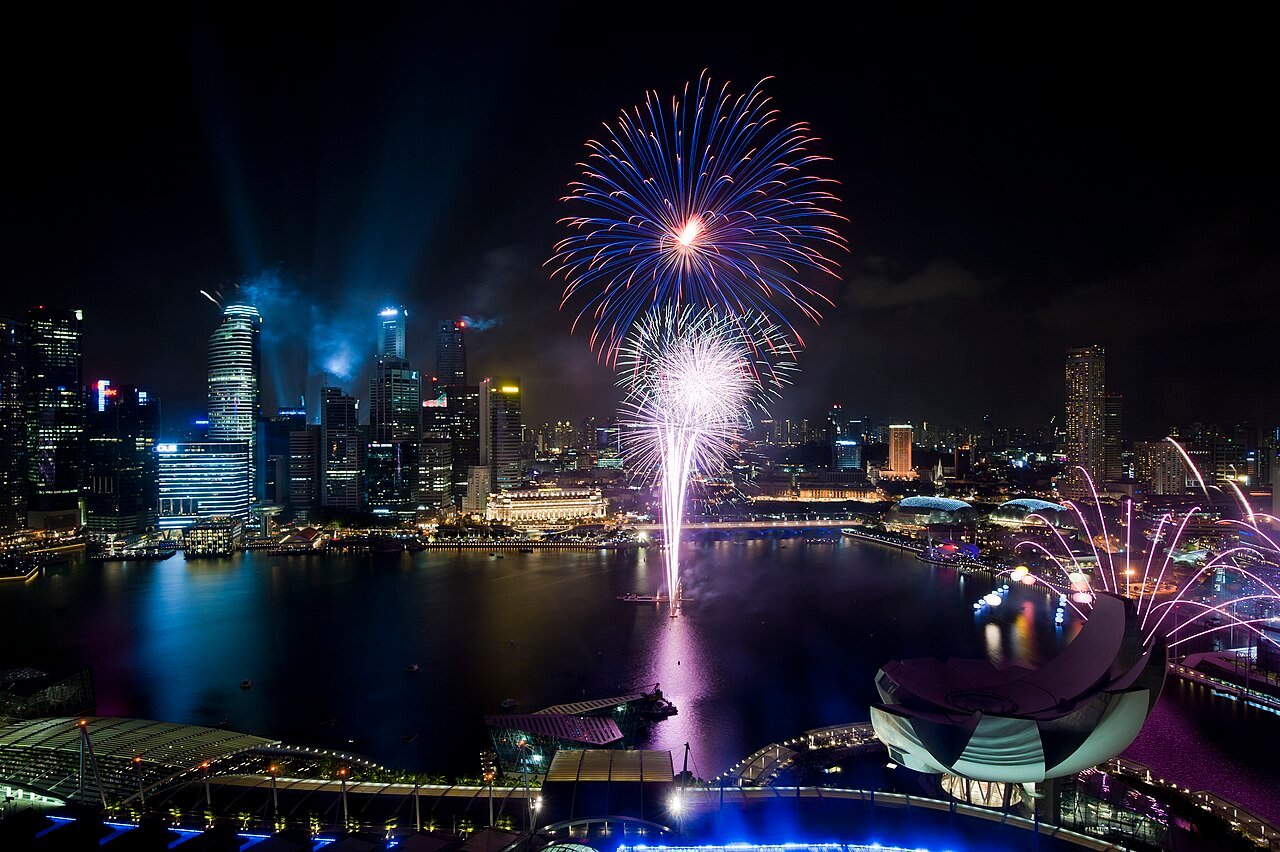
Marina Bay
Singapore’s iconic skyline, the Merlion and the night light shows.
Gardens by the Bay
The futuristic Supertrees and climate-controlled domes.
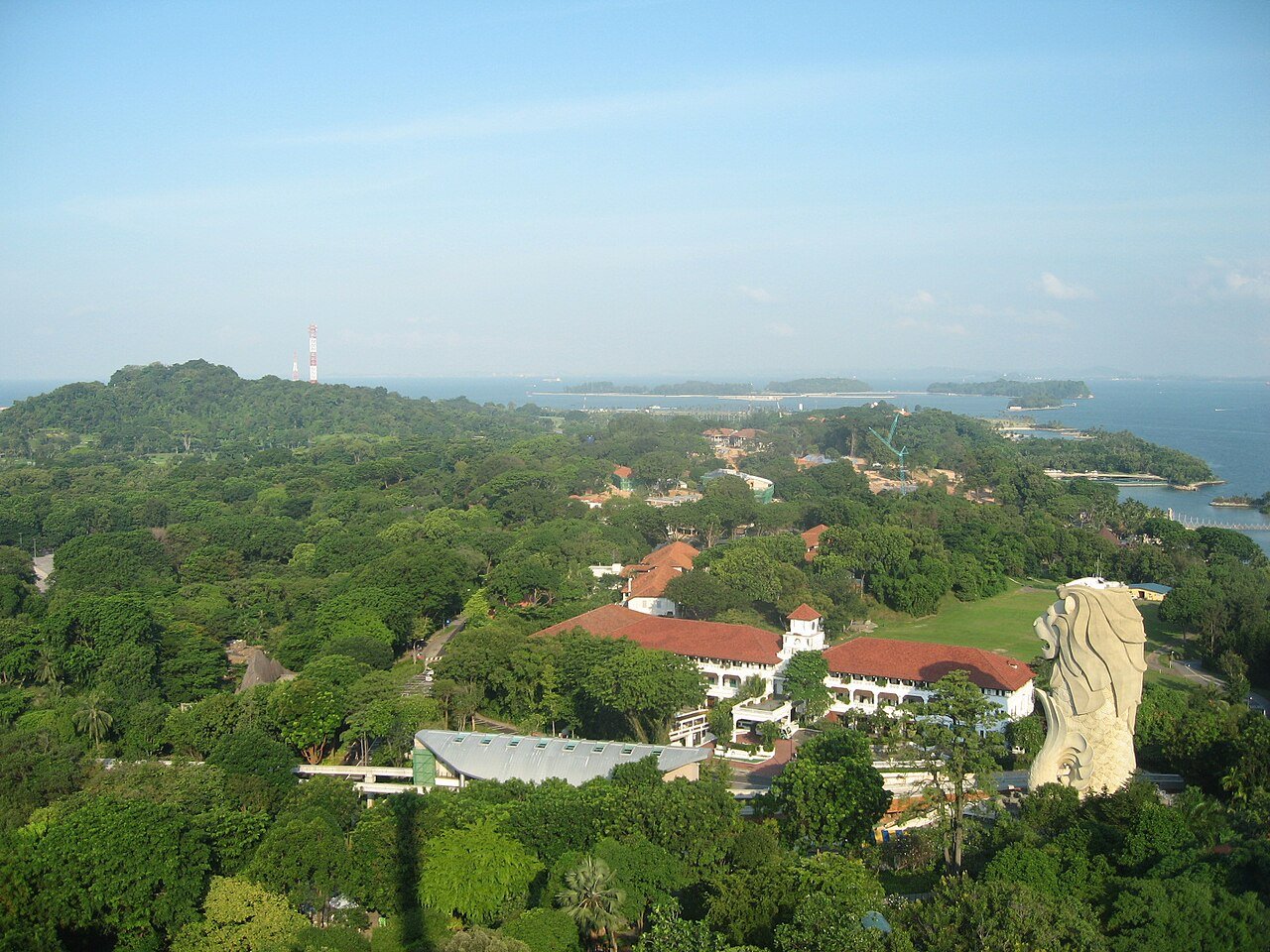
Sentosa
Universal Studios, beaches and family attractions on the island.
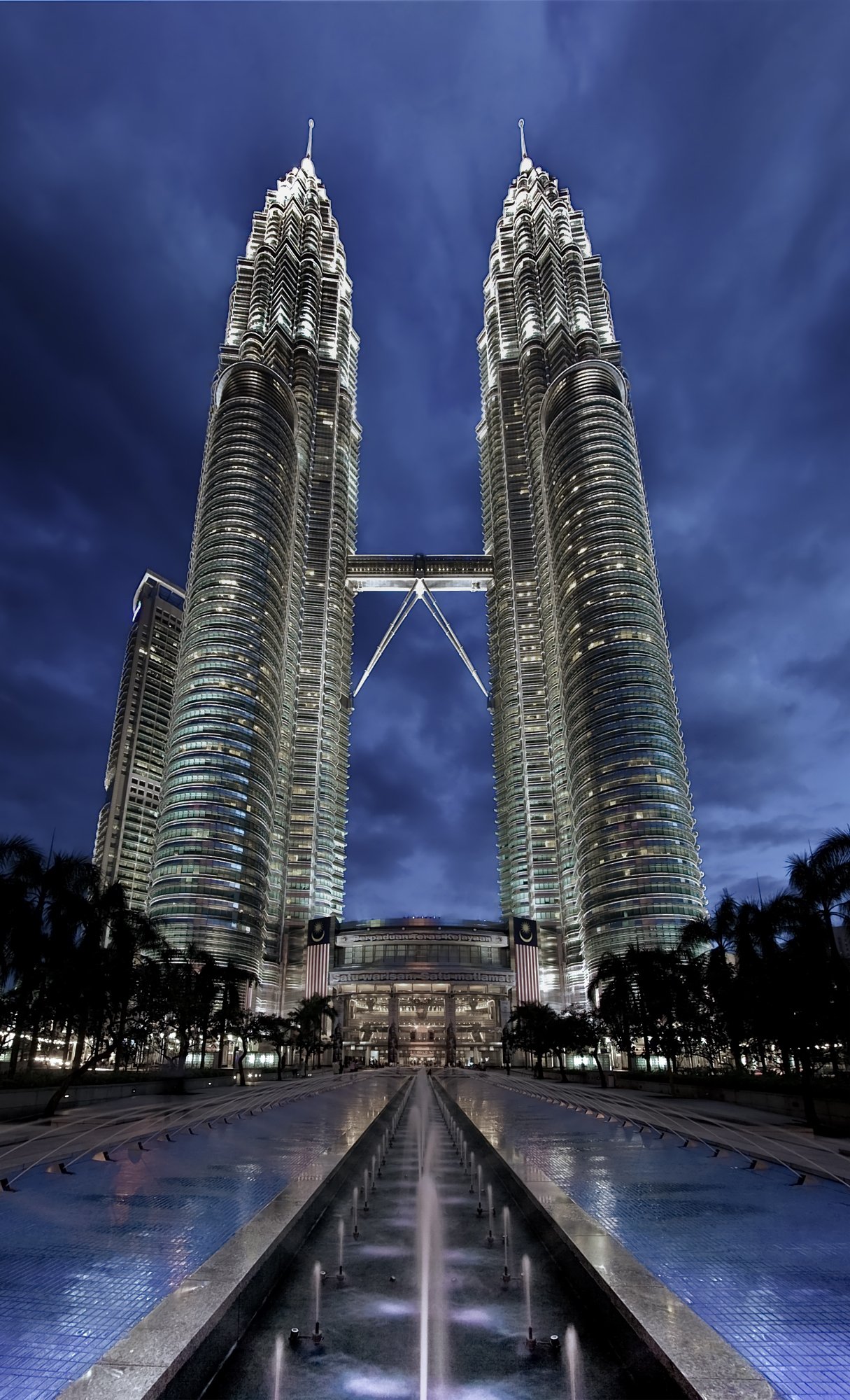
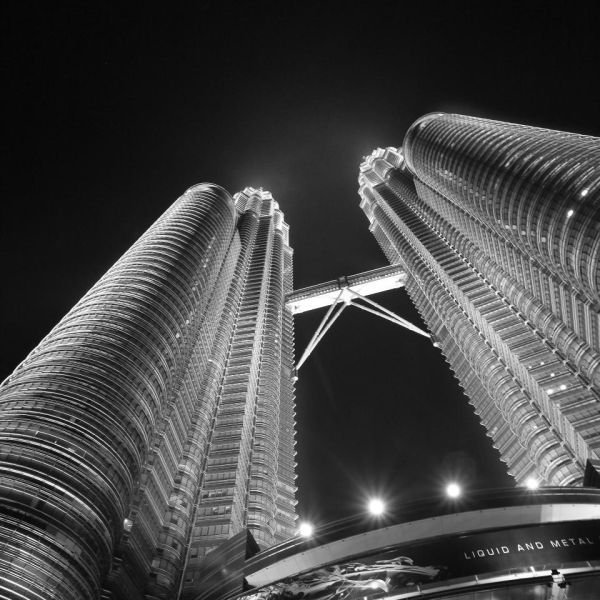
Petronas Towers
Kuala Lumpur’s soaring twin towers and city views.
Batu Caves
The towering golden statue and cave temples near KL.
Street food
Hawker centres in both cities, from Hainanese chicken rice to nasi lemak.
Whether you want city glamour, theme-park fun, heritage or food, this seven-day Singapore–Malaysia route delivers a varied and effortless Southeast Asian holiday.
Singapore and Malaysia in a week — futuristic skylines and theme parks, then temples, towers and street-food feasts: two worlds, one easy trip.
Part 2 of 8
Visas and getting there
Both countries are very well connected to India, and travelling between them is quick and easy.
Visas: Indian passport holders need a Singapore e-visa, applied for online before travel. Malaysia currently offers visa-free entry to Indian tourists for short stays, a recent change from the eVisa/eNTRI system. Confirm both countries’ current requirements before booking, and carry onward-travel and accommodation proof.
By air: Direct flights from Delhi, Mumbai, Bengaluru, Chennai and other cities reach Singapore (Changi) or Kuala Lumpur in around 4–5.5 hours.
Between the two: Singapore and KL are linked by frequent short flights (about 1 hour), comfortable coaches, or the train, so you can fly into one and out of the other.
Pro tip
Fly into Singapore and out of Kuala Lumpur (or vice versa) and take a short internal flight or coach between them. This open-jaw approach avoids backtracking and makes the most of a one-week trip.
Getting around: Both cities have excellent metros (Singapore’s MRT and KL’s metro/monorail), plus Grab ride-hailing. Singapore is extremely walkable, and KL is easy with public transport and cabs.
Part 3 of 8
Best time for this trip
Both cities are equatorial and warm year-round, so this is an all-season trip, though some months are drier.
| Season | Months | What to expect |
|---|---|---|
| Drier-ish | Feb–Apr | Among the driest, most pleasant months for both cities. |
| Mid-year | May–Aug | Warm and humid with occasional showers; good for events and sales. |
| Wetter | Nov–Jan | More rain, especially in Malaysia, though showers are often short. |
| Year-round | — | Hot and humid always — pack light, breathable clothing and a compact umbrella. |
This is a genuinely year-round trip, as both cities are highly developed and much of the sightseeing is indoors or weather-proof. February to April tends to be drier and most comfortable, but tropical showers can occur any time and are usually brief.
Part 4 of 8
Costs and budgeting for Indians
Singapore is pricier; Malaysia is great value, so the combination balances out. Here is a realistic per-person, per-day guide for 2026, excluding flights.
| Style | Daily budget | What it covers |
|---|---|---|
| Backpacker | $50–80 | Hostels, public transport, hawker food and select attractions (Singapore higher). |
| Mid-range | $100–180 | Comfortable hotels, attractions like Gardens by the Bay and Sentosa, good meals. |
| Premium | $280+ | Marina Bay/city hotels, private transfers, premium experiences and dining. |
Singapore’s attractions and hotels are the biggest cost; Malaysia’s food, transport and stays are much cheaper, easing the overall budget. Use hawker centres to eat affordably in both. Carry Singapore and Malaysian dollars/ringgit, though cards and mobile wallets are widely accepted, especially in Singapore.
Good to know
Singapore enforces strict laws (heavy fines for littering, jaywalking, chewing-gum import and more) — follow the rules closely. In Malaysia, dress modestly at mosques and use Grab for fair-priced rides.
Part 5 of 8
The 7-day Singapore & Malaysia itinerary
This plan splits the week between the two cities, linked by a short hop.
Days 1–3 — Singapore: Explore Marina Bay, Gardens by the Bay, the Merlion and Chinatown/Little India, plus a full day on Sentosa (Universal Studios, beaches and cable car).
Day 4 — Travel to Kuala Lumpur: Take a short flight or coach to KL and settle in around Bukit Bintang or KLCC.
Days 5–6 — Kuala Lumpur: See the Petronas Towers, KL Tower, Batu Caves, Merdeka Square and the markets, with time for malls and street food.
Day 7 — Day trip & departure: Add a Genting Highlands or Malacca day trip, or relax and shop before flying home.
Extend your trip: Add Penang or Langkawi in Malaysia, or a stop in Bali or Thailand, for a fuller Southeast Asia adventure.
Pro tip
Pre-book Singapore’s big-ticket attractions (Universal Studios, Gardens by the Bay) online for cheaper tickets and shorter queues, and plan a hawker-centre meal in each city — the food is a highlight in its own right.
Part 6 of 8
Where to stay, what to eat and experiences
Where to stay: In Singapore, the Marina Bay and Orchard/Chinatown areas are central and well-connected; Sentosa has resort options for families. In KL, Bukit Bintang and KLCC are best for sights, shopping and food. Both cities are easy to navigate by metro.
What to eat: Both are food paradises — Hainanese chicken rice, chilli crab, laksa and satay in Singapore; nasi lemak, char kway teow, roti canai and Indian food in KL. Hawker centres offer cheap, superb meals, and vegetarians and those wanting Indian food are well served in both.
Gardens by the Bay
See the Supertrees light up after dark.
Sentosa fun
Universal Studios, beaches and island attractions.
Petronas & KL Tower
Soak up Kuala Lumpur’s skyline by day and night.
Batu Caves
Climb to the cave temples beneath the golden statue.
For more, add a Singapore River cruise or night safari, a KL food walk, and a Genting or Malacca day trip from Kuala Lumpur.
Part 7 of 8
Practical tips for Indian travellers
A few practical notes keep this twin-country trip smooth and good value.
Two entry rules
Get the Singapore e-visa and confirm Malaysia’s visa-free terms.
Open-jaw route
Fly into one city, out of the other, with a short hop between.
Use the metro
Both cities have excellent metros plus Grab ride-hailing.
Carry both currencies
Singapore and Malaysian money for hawkers; cards work widely.
Both countries are safe, modern and very tourist-friendly, with widespread English making them easy for Indian travellers, including families and solo visitors. Singapore enforces strict laws with heavy fines, so follow local rules closely. In Malaysia, dress modestly at mosques and be mindful during prayer times. Drink-tap water is safe in Singapore; bottled is safer in Malaysia. Pre-book attractions to save money and time.
This route also extends easily into the wider region. It pairs naturally with Penang or Langkawi in Malaysia, with Bali or Thailand for a broader Southeast Asia trip, or as a polished introduction before exploring further afield. Building one of these in turns a seven-day twin-city trip into a fuller regional adventure.
Part 8 of 8
Frequently asked questions
Do Indians need visas for Singapore and Malaysia?
Indians need a Singapore e-visa, applied for online before travel. Malaysia currently offers visa-free entry for Indian tourists for short stays. Confirm both countries’ current requirements before booking, and carry onward-travel and accommodation proof.
How do I travel between Singapore and Malaysia?
The two are linked by frequent short flights (about an hour between Singapore and KL), comfortable coaches and trains. Flying into one city and out of the other avoids backtracking on a one-week trip.
How many days do I need for both countries?
A week is ideal — about three days in Singapore (city plus Sentosa) and three to four in Kuala Lumpur, with a possible day trip. Add Penang or Langkawi for a longer Malaysia portion.
When is the best time to visit?
It is a year-round trip, as both cities are highly developed with much weather-proof sightseeing. February to April tends to be drier and most comfortable, but tropical showers can occur any time and are usually brief.
Is this trip expensive?
Singapore is pricey, but Malaysia is excellent value, so the combination balances out. Hawker food keeps eating cheap in both, while Singapore’s attractions and hotels are the main costs to budget for.
Is it suitable for families?
Very. Both cities are safe, clean and full of family attractions — Sentosa and Universal Studios in Singapore, theme parks and Batu Caves near KL — with excellent transport and widespread English making them easy with children.
Is Singapore or Malaysia better for shopping and food?
Both excel. Singapore offers high-end malls and a polished food scene, while Malaysia is cheaper and famous for its street food and markets. Together they cover everything from luxury shopping to hawker feasts.
What can I combine with this trip?
You can add Penang or Langkawi in Malaysia, or a stop in Bali or Thailand, for a fuller Southeast Asia adventure beyond the two-city core.
Is Singapore very expensive compared to Malaysia?
Yes, Singapore is significantly pricier for hotels, attractions and dining, while Malaysia is excellent value. Pairing them balances the budget — you can splurge a little in Singapore and keep costs low in Kuala Lumpur, eating at hawker centres in both to save money.
How many days should I spend in each country?
On a week-long trip, around three days in Singapore (city plus a Sentosa day) and three to four in Kuala Lumpur works well, with a possible KL day trip. If you want to add Penang or Langkawi, extend the Malaysia portion by a few days.
Is this trip good for first-time international travellers?
Excellent. Both countries are safe, clean, English-speaking and superbly connected by metro, making them among the easiest introductions to international travel for Indian families, couples and solo visitors alike.
The bottom line
A Singapore and Malaysia trip is the perfect twin-country taster of Southeast Asia — futuristic skylines, theme parks and gardens in Singapore, then towers, temples and street food in Kuala Lumpur, all safe, easy and food-filled. Sort the Singapore e-visa and check Malaysia’s visa-free rules, fly an open-jaw route, use the metros, and eat your way through both cities’ hawker centres. Do that, and this slick, varied week will be one of the most enjoyable and hassle-free overseas trips you can take. From the Supertrees lighting up at dusk to a midnight plate of char kway teow, it is a week that blends polish, fun and flavour in just the right measure.
Related reading
 International Driving Permit (IDP): Driving Abroad Guide
 Bangkok Pattaya Itinerary: 5-Day Thailand Plan (2026)
 Malaysia 7-Day Itinerary 2026 — Kuala Lumpur, Penang & Langkawi
Photos sourced from Wikimedia Commons under their respective Creative Commons licences. Visa, flight and travel details are indicative for 2026; confirm current entry rules and prices before you travel.