Common Travel Scams & How to Avoid Them 2026 — A Traveler’s Guide
Most travel is safe and the vast majority of people you meet are kind — but a small number of scams target tourists the world over, and knowing the common ones makes you far harder to fool. This guide walks through the scams travellers run into most, how each works, and the simple habits that keep your money and documents safe without making you paranoid.
Taxi and transport scams
The classics: a “broken” meter followed by an inflated flat fare, deliberately long routes, or claims your hotel is “closed/full” to divert you to a commission-paying one. Avoid them by using app-based cabs or prepaid airport taxi counters, agreeing the fare or insisting on the meter before you get in, and ignoring anyone who approaches you with unsolicited “help” at airports and stations.
Money, ATM and payment tricks
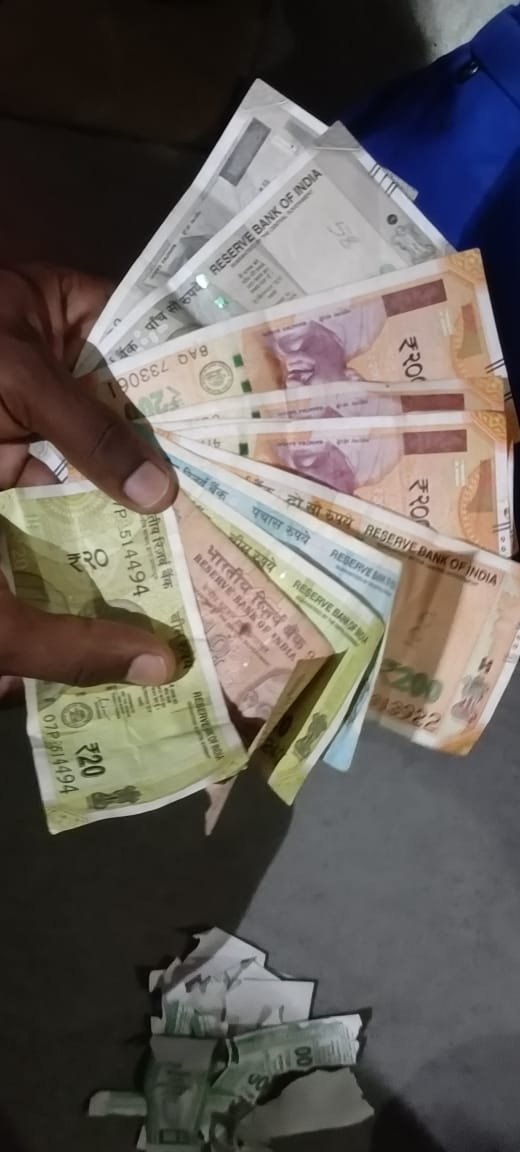
Watch for ATM skimming (use machines inside banks, cover the keypad), short-changing, and “dynamic currency conversion” that quietly charges a poor exchange rate — always choose to be charged in the local currency. Count change, keep cards in sight when paying, and carry only what you need for the day, leaving the rest in your accommodation safe.
Distraction and street scams
Many thefts rely on distraction: a “friendship” bracelet or rose pressed into your hand, a spilled drink or fake spill, a petition or clipboard crowding you, or a staged commotion while an accomplice picks your pocket. Keep bags zipped and in front of you in crowds, be wary of anyone who gets unusually close, and politely but firmly say no and walk on.
Fake officials, tickets and bookings
Be cautious of people posing as police demanding to see your wallet (real police won’t), “guides” at attractions selling skip-the-line tickets that don’t exist, and too-good-to-be-true accommodation deals on unofficial sites. Buy tickets from official counters or apps, verify bookings independently, and ask to see ID — then offer to walk to the nearest police station if anyone insists on a “fine”.
Frequently asked questions
How do I avoid taxi overcharging? Use app-based or prepaid taxis, agree the fare or meter upfront, and decline unsolicited “help”.
Should I let a card be charged in my home currency abroad? No — always choose the local currency to avoid poor conversion rates.
What’s the best all-round defence? Stay calm and unhurried, keep valuables secure and out of sight, and trust your instincts — if something feels off, walk away.
Online and digital scams
Plan-ahead scams are increasingly digital: fake booking sites mimicking real hotels, “too cheap” holiday rentals that vanish after payment, phishing emails about your flight, and public Wi-Fi snooping. Protect yourself by booking through reputable, well-reviewed platforms, paying by card (not bank transfer) for buyer protection, checking the exact website address, and using a VPN or your mobile data rather than open Wi-Fi for anything sensitive. Never share OTPs or card details over the phone.
If you’ve been scammed
Don’t panic or blame yourself — it happens to experienced travellers too. Report card fraud to your bank immediately to freeze and dispute charges, file a police report (useful for insurance and card claims), and contact your embassy if documents are stolen. Keep copies of everything. Travel insurance often covers theft and some scams, so check your policy and keep receipts.
Staying safe without the stress
The goal isn’t fear — it’s easy habits: keep valuables in a money belt or front pocket, carry a “dummy” small wallet with a little cash, split your cash and cards across bags, and stay alert at ATMs, crowded markets and transport hubs. A confident, unhurried traveller who knows the common tricks is a poor target. Most locals genuinely want to help — trust your gut, and the scams fade into the background.
Is it safe to use public Wi-Fi abroad? Avoid it for banking or bookings; use mobile data or a VPN for anything sensitive.
A quick traveller’s safety checklist
Before and during any trip, keep these habits: research the common local scams for your destination, save your embassy and bank emergency numbers, keep digital and paper copies of documents, use the hotel safe, and only carry what you need for the day. Trust verified apps and official counters over street touts, choose local currency on card machines, and stay calm and assertive with anyone applying pressure. These small routines defuse almost every scam before it starts.
Related reading: How to Avoid & Handle Lost Luggage 2026 — Prevention + What to Do · International ATM Withdrawal Charges & How to Cut Them (2026) · Workation Guide for Indians 2026 — Best Bases & Remote-Work Travel Tips
Plan smarter: browse more travel tips, and use our Trip Cost Calculator and Trip Planner.
Last updated: June 2026. Rules, fees and conditions change — confirm on official sources before you travel.