Best Forex Cards for International Travel: A Guide for Indians (2026)
For international travel, carrying the right kind of money can save you a surprising amount in fees and hassle. A forex (foreign-exchange) card — a prepaid card loaded with foreign currency — has become a popular, secure way for Indians to spend abroad. This guide explains how forex cards work, their pros and cons, how they compare with cash and regular debit or credit cards, and what to look for when choosing one, so you can manage your travel money smartly.
What is a forex card and how it works
A forex card is a prepaid travel card you load with foreign currency before your trip at a locked-in exchange rate. You then use it abroad like a debit card — for shopping, dining, and ATM withdrawals — spending in the loaded currency. Because the rate is fixed at the time of loading, you are protected from currency fluctuations during your trip, and you avoid the high markup that ordinary cards often charge on foreign transactions. Multi-currency versions let you load several currencies on one card, useful for multi-country trips.
Advantages of a forex card
Forex cards offer several benefits: locked-in exchange rates that shield you from volatility; lower foreign-transaction markups compared with most regular debit and credit cards; better security than carrying large amounts of cash, since the card is PIN-protected and can be blocked if lost; and convenient online reloading while travelling. They also help with budgeting, as you spend only what you load, and many come with backup cards in case the primary is lost.
Limitations to keep in mind
There are downsides too. Forex cards can carry various fees — issuance, reloading, ATM withdrawal, inactivity and cross-currency charges if you spend in a currency not loaded — so read the fee schedule carefully. Unused balances must be encashed after the trip, sometimes at a less favourable rate, and not every small merchant abroad accepts cards. They are also subject to the same overall foreign-spending tax rules (see the TCS and LRS guidance) as other channels. Knowing the fees upfront helps you avoid surprises.
Forex card vs cash vs debit/credit card
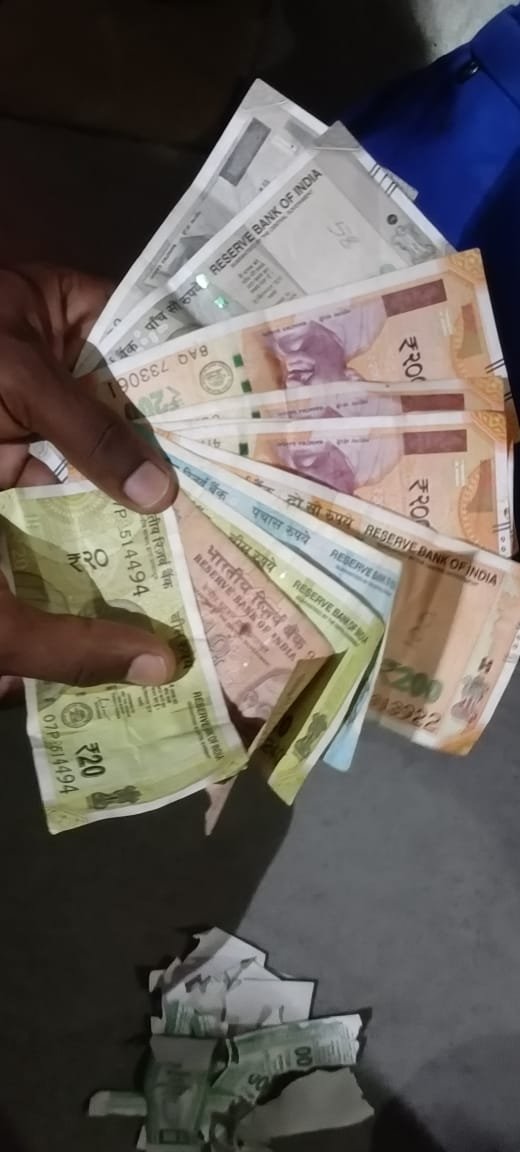
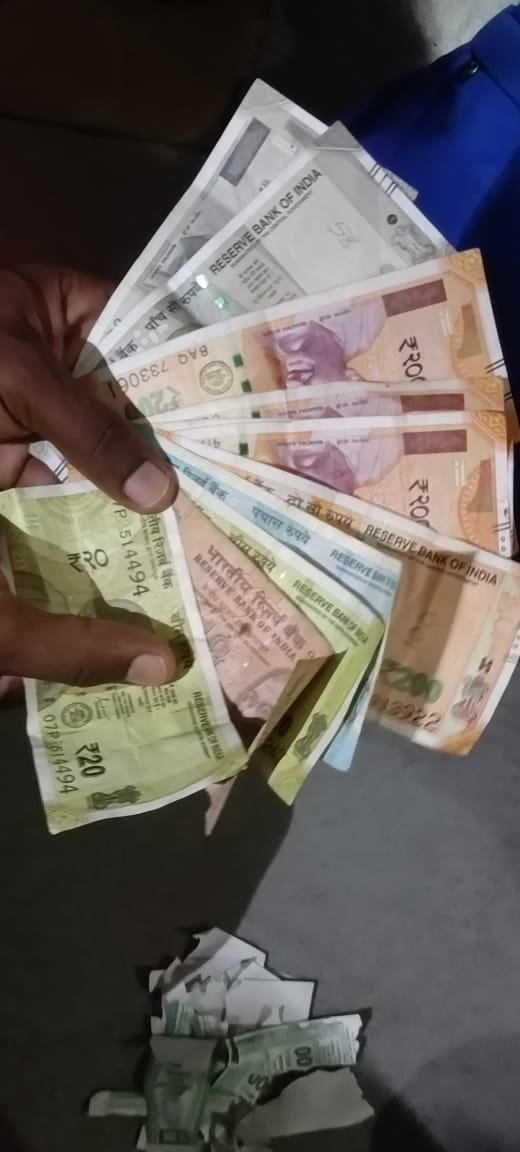
Each option has its place. Cash is essential for small vendors, tips and emergencies, but risky to carry in large amounts and offers poor rates if exchanged at the wrong place. Regular debit and credit cards are convenient and widely accepted, but often charge a notable foreign-transaction markup plus dynamic-currency-conversion traps, though some specialised cards now offer low or zero markup. A forex card sits in between: rate certainty and lower markups for everyday spending. The smart approach is usually a mix — a forex card for most spending, a little cash for small purchases, and a backup card.
How to choose a forex card
When selecting a forex card, compare the exchange rate offered, the full fee schedule (issuance, reload, ATM, cross-currency, inactivity), whether it is single- or multi-currency, the reload process, customer support and emergency assistance abroad, and any added benefits. For multi-country trips, a multi-currency card avoids cross-currency charges. Load enough for your trip but not excessively (to avoid encashment losses), keep the backup card separate, and note the customer-care number. Always confirm current rates and terms with the issuer before loading.
Frequently asked questions
Is a forex card better than a debit card abroad? Often yes for everyday spending, thanks to locked rates and lower markups, but compare fees; carry a backup card and some cash too.
Can I reload a forex card while travelling? Yes — most can be reloaded online, subject to limits and the applicable tax rules on foreign remittances.
What happens to the leftover balance? You can encash it after your trip, though possibly at a less favourable rate, or keep it for future travel if the card allows.
Fees to watch for in detail
Forex cards can carry several charges, so read the fee schedule closely. Common ones include a one-time issuance fee, a reload fee each time you top up, ATM withdrawal charges abroad (per transaction), a balance-enquiry fee at foreign ATMs, an inactivity fee if the card sits unused with a balance, and a cross-currency charge if you spend in a currency you have not loaded. There may also be an encashment fee when you convert leftover balance back. None of these are huge individually, but together they affect the real cost, so compare cards on total fees, not just the headline exchange rate.
How to load and reload
You load a forex card before travel through your bank or provider, choosing the currency and amount at the prevailing rate; the value is locked in at that point. Most cards can be reloaded online while you are abroad through the provider’s portal or app, subject to limits and the applicable foreign-remittance tax rules. Load enough for your planned spending but avoid over-loading, since converting unused balance back later may incur a fee and a less favourable rate. For multi-country trips, a multi-currency card lets you load each currency to avoid cross-currency charges.
Safety and what to do if it is lost
Forex cards are more secure than cash: they are PIN-protected, and if lost or stolen, you can block the card immediately via the provider’s helpline or app, protecting your balance. Most issuers provide a backup card — keep it separately from the primary so you are not stranded if one is lost. Note the customer-care number before you travel, never share your PIN, and use ATMs in secure locations. This combination of features makes forex cards a safer way to carry significant travel money than cash.
Who should use a forex card
Forex cards suit most international leisure and business travellers, especially those who want rate certainty, lower markups than ordinary cards, and a secure way to carry money. They are particularly useful for longer trips, multi-country journeys (multi-currency cards), and travellers who prefer to budget a fixed amount. Frequent travellers who already hold a low-or-zero-markup credit card may rely more on that, but even then a forex card makes a useful backup. For occasional travellers, the rate protection and security are strong reasons to consider one.
Common mistakes to avoid
Avoid these pitfalls: not comparing the full fee schedule and focusing only on the exchange rate; over-loading the card and losing on encashment; spending in a currency not loaded (triggering cross-currency fees); forgetting the backup card or customer-care number; and choosing dynamic currency conversion at foreign terminals, which gives a poor rate — always opt to be charged in the local currency. Steering clear of these keeps your forex card genuinely cost-effective.
Forex card vs international debit and credit cards
It helps to weigh the options side by side. An international debit card draws directly from your bank account and is convenient, but often charges a foreign-transaction markup plus ATM fees, and exposes your main account abroad. A credit card is widely accepted and may offer rewards and zero-liability protection, but many charge a notable markup (unless you hold a specialised zero-markup travel card). A forex card isolates your travel money, locks the rate and usually carries lower markups. The ideal setup for many travellers is a combination: a forex card for day-to-day spending, a credit card for large or refundable bookings, and some cash for small purchases.
Using ATMs abroad wisely
Foreign ATM withdrawals on a forex card incur a per-transaction fee, so withdraw larger amounts less often rather than many small sums. Use ATMs attached to banks in secure locations, decline the machine’s offer to convert to your home currency (always choose the local currency to avoid a poor dynamic-conversion rate), and keep your PIN private. Carry a little local cash for places that do not accept cards, but avoid pulling out large sums you will have to re-convert later. Smart ATM habits keep your costs down.
The dynamic currency conversion trap
One of the biggest avoidable costs abroad is dynamic currency conversion (DCC) — when a foreign merchant or ATM offers to charge you in Indian rupees instead of the local currency. It sounds convenient but almost always applies a worse exchange rate plus a markup, costing you more. Always choose to be billed in the local currency of the country you are in, whether paying by forex card, debit or credit card. This single habit can save a meaningful amount over a trip.
More frequently asked questions
Can I use a forex card online? Yes — for international online payments in the loaded currency, though check for any online-use settings. Does a forex card expire? Cards have a validity period; check it and the rules for any remaining balance. Are forex cards accepted everywhere? They work wherever the card network is accepted, but carry some cash for small vendors that do not take cards.
The bottom line
A forex card is a smart, secure way for Indian travellers to spend abroad, offering locked-in rates, lower markups than ordinary cards, and better safety than cash. Compare the full fee schedule rather than just the rate, load sensibly, always pay in the local currency to dodge DCC, and carry a backup card and some cash. Used as part of a sensible mix of payment methods, a forex card helps you travel with rate certainty and fewer fees — just remember to confirm current terms with the issuer.
A quick travel-money checklist
Before any international trip, run through this simple money checklist: compare forex card options on rate and full fees, and load enough for your planned spending; carry a backup card (and note the card-blocking helpline); keep some local cash for small vendors, tips and emergencies; hold a credit card for large or refundable bookings; and remember to always pay in the local currency to avoid dynamic-conversion losses. Factor in any applicable TCS when loading large amounts, and keep the records for your tax credit. With this mix in place, you are covered for almost any spending situation abroad while keeping fees to a minimum.
A final word
There is no single “best” way to carry money abroad — the smart approach is a thoughtful combination tailored to your trip. For most Indian travellers, a forex card handles everyday spending with rate certainty and low markups, a credit card covers big or refundable payments, and a little cash fills the gaps. Compare the fine print before you choose, use the card sensibly abroad, and confirm current rates and terms with your provider. Get the basics right, and managing your travel money becomes one less thing to worry about on your journey.
Related reading: Zero Forex Markup Credit Cards: A Traveller Guide (2026) · Forex Cards Explained: Benefits, Charges & How to Use · Zero Forex Markup Cards: Save on Every Overseas Spend
Plan smarter: browse more travel tips and budget travel guides, and use our Trip Cost Calculator.
Last updated: June 2026. Tax rules, limits, fees and card features change frequently — always confirm current details with official sources and your bank before acting. This article is general information, not financial advice.